Anne-Careen Stoltze | Views of a migrant who came and then left
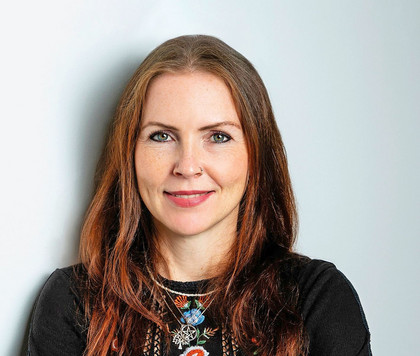
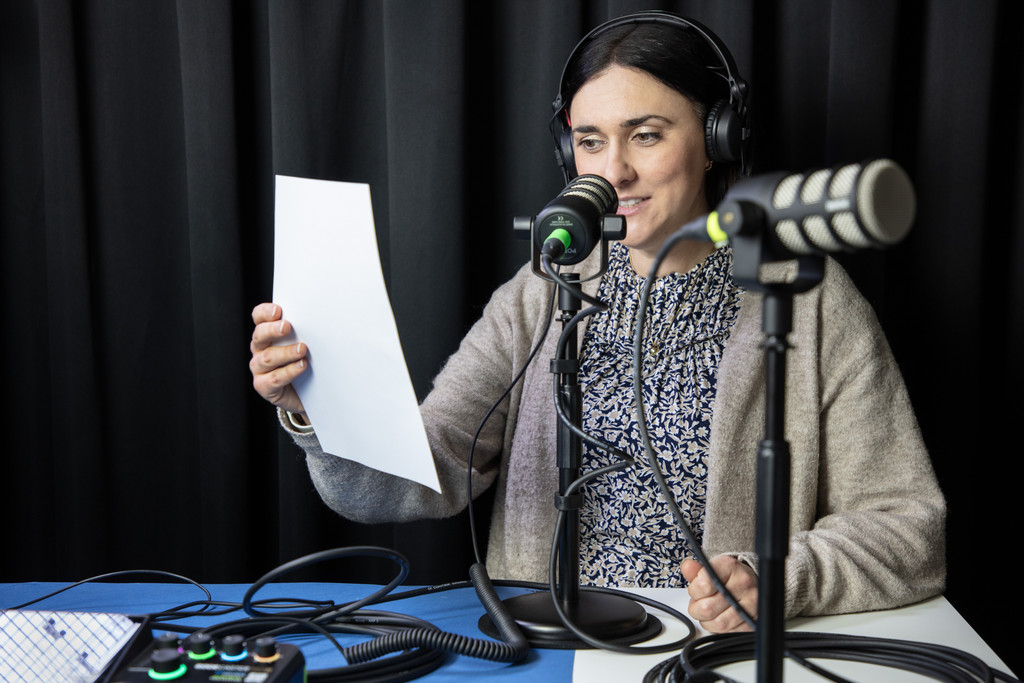
Journalist Anne-Careen Stoltze, 48, emigrated to Switzerland from Germany in 2006. She returned to her home country with her family 13 years later.
“I moved to Switzerland for love. When I met my future husband in 2004, I was living and working in Bremen as an intern at a newspaper. Matthias, who originally comes from Hamburg, was already working in Berne at the time. Swiss hospitals were actively targeting medical students in Germany for placements and assistantships.
After two years of commuting between Berne and Bremen, we made Switzerland our home. While Matthias continued with his training to become a specialist physician, I was able to get into journalism. The media crisis then hit Switzerland, and I lost my job – at the very time I was pregnant. They gave me a payout, but this was the first time I realised how little mothers are protected and how little support parents receive.
Balancing work and family is easier said than done in Switzerland. Both our children attended day care, which cost a lot of money. Many mothers – and, increasingly, fathers – reduce their working hours to look after the family. Given the shortage of skilled workers, Switzerland should create parameters to exploit the potential of its female workforce more effectively. I understand why people are debating immigration and overcrowding. I reported a lot about urban development during my time as a local journalist.
Balancing work and family is easier said than done in Switzerland.
Anne-Careen Stoltze
After leaving journalism, I trained in science communication and worked at the Bern University of Applied Sciences for several years. Switzerland became a second home for our family. Our children, who were born in Berne, see themselves as Swiss. Yet I never felt like I truly belonged. On the one hand, it was because people always regarded me as German due to the language. But I also missed being able to vote and make a difference as a citizen. We were in the process of applying for citizenship when my parents and parents-in-law fell ill in Germany. This shifted our priorities. If we wanted to be closer to our parents, it was clear that we needed to return. I also wanted to be active in politics and civic society back home. In 2019, we moved to my grandparents’ house which we had renovated in Brandenburg. My husband kept his medical practice in Berne, where he now works and lives three days a week. I myself have been working in my local district as an international relations officer since 2025, bringing people together across the German-Polish border.”
Focus | Switzerland’s 10-million vote
Never before have so many people lived in Switzerland. A flourishing economy makes our country a popular destination for immigrants. This brings prosperity, but problems too.
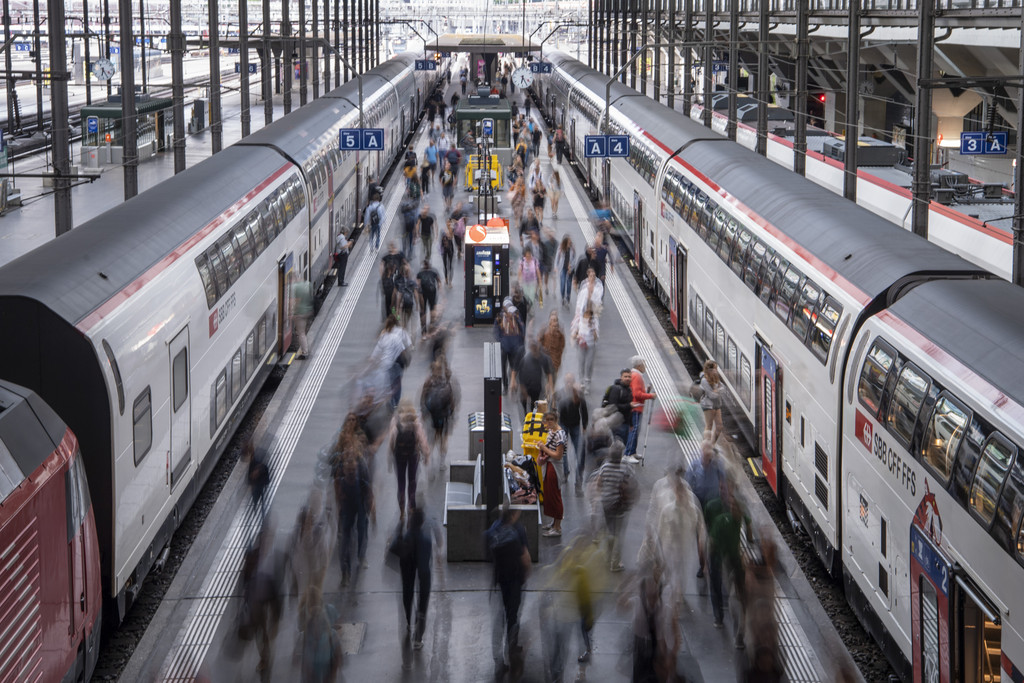
– Part 1: How much immigration can Switzerland take?
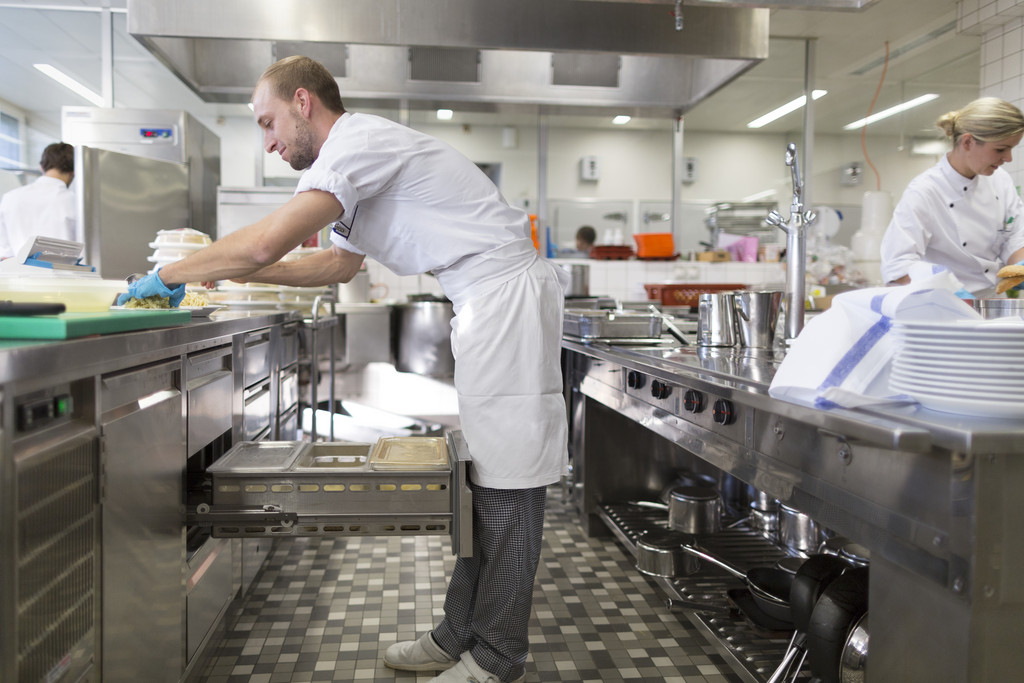
– Part 2: The economy relies heavily on foreign Workers
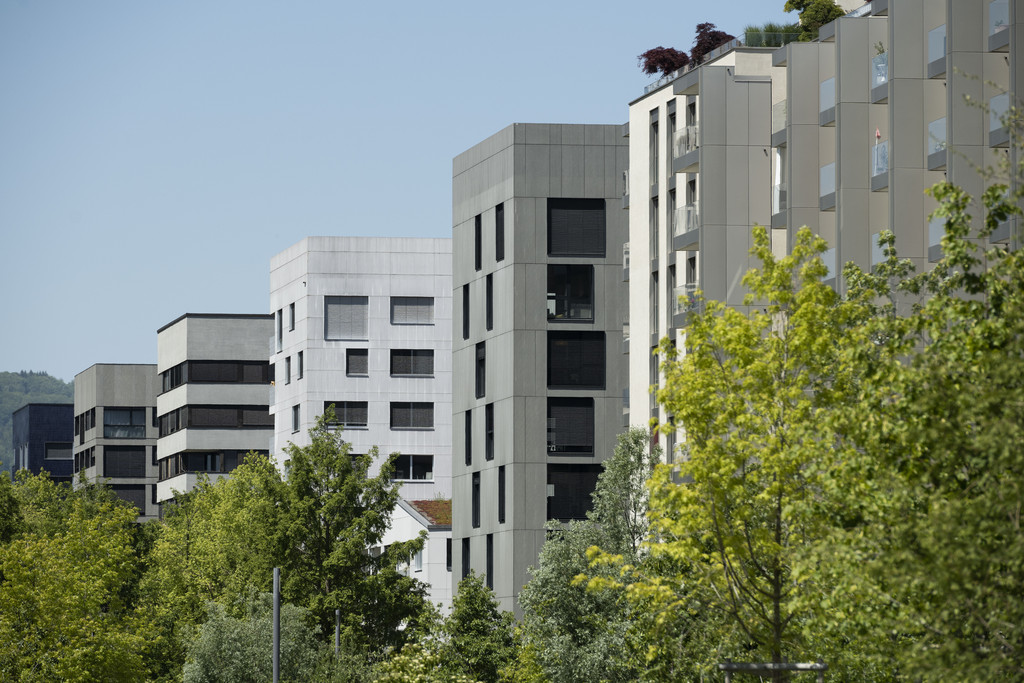
– Part 3: The housing conundrum






Comments