Media shift and spending caps: Swiss broadcasting is under pressure
06.02.2026 – Susanne Wenger
Changes in media usage, rounds of cost-cutting and job cuts: the Swiss Broadcasting Corporation (SRG SSR), Switzerland’s publicly financed media company, is facing some major challenges. On 8 March 2026, the public will vote on an initiative that could halve SRG SSR’s budget. What would the ramifications be for our quadrilingual nation and the “Fifth Switzerland”?
The science programme on the radio? Cancelled. The society programme on the TV? Discontinued. When Swiss German television and radio cut programmes last year to save money, it was met with uproar. Researchers filed a petition, and creative artists expressed their concern. The angriest backlash, however, was triggered when SRG SSR stopped broadcasting in ultra-short wave (USW) in late 2024 and switched entirely to digital. Half a million listeners left and switched to private radio stations and foreign broadcasters. In a subsequent U-turn, the parliament decided to maintain USW broadcasting for longer than originally scheduled, at which point SRG SSR announced it was returning to the analogue radio waves.
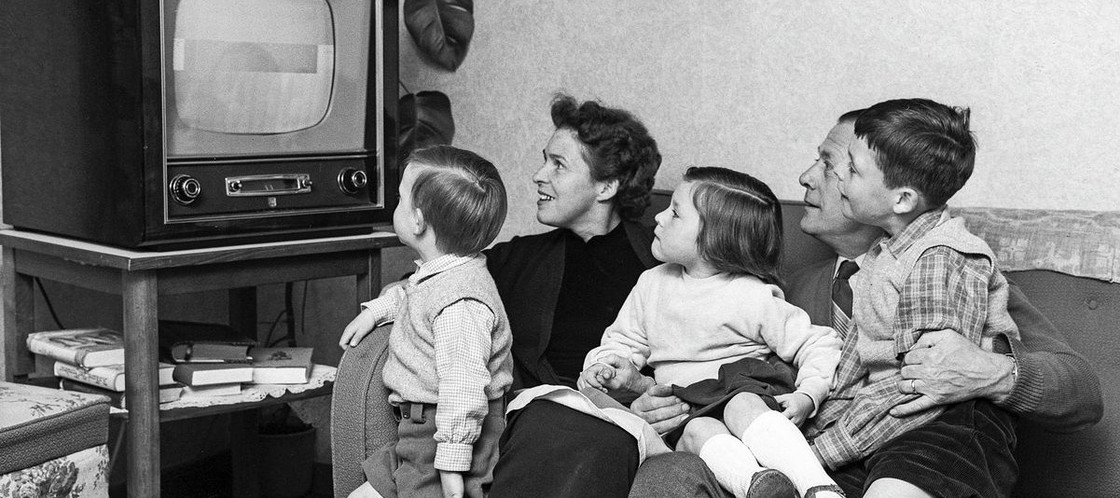
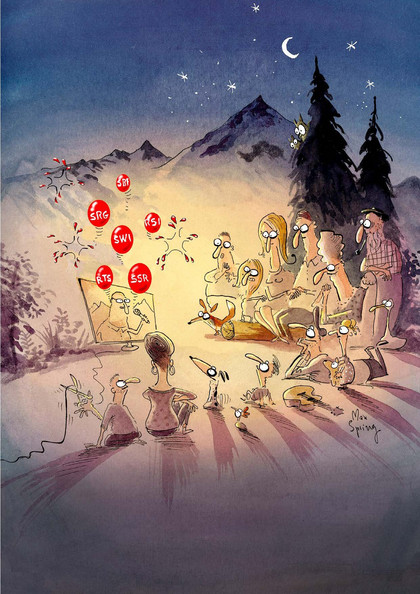
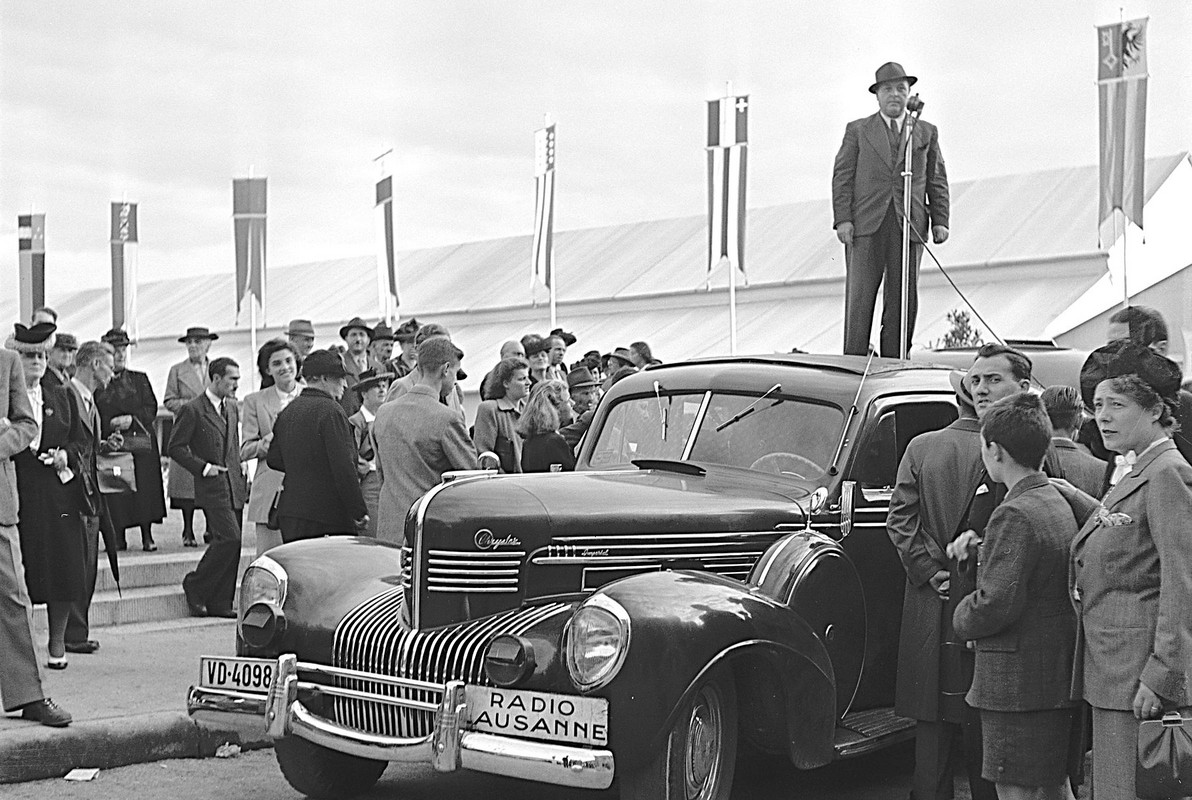
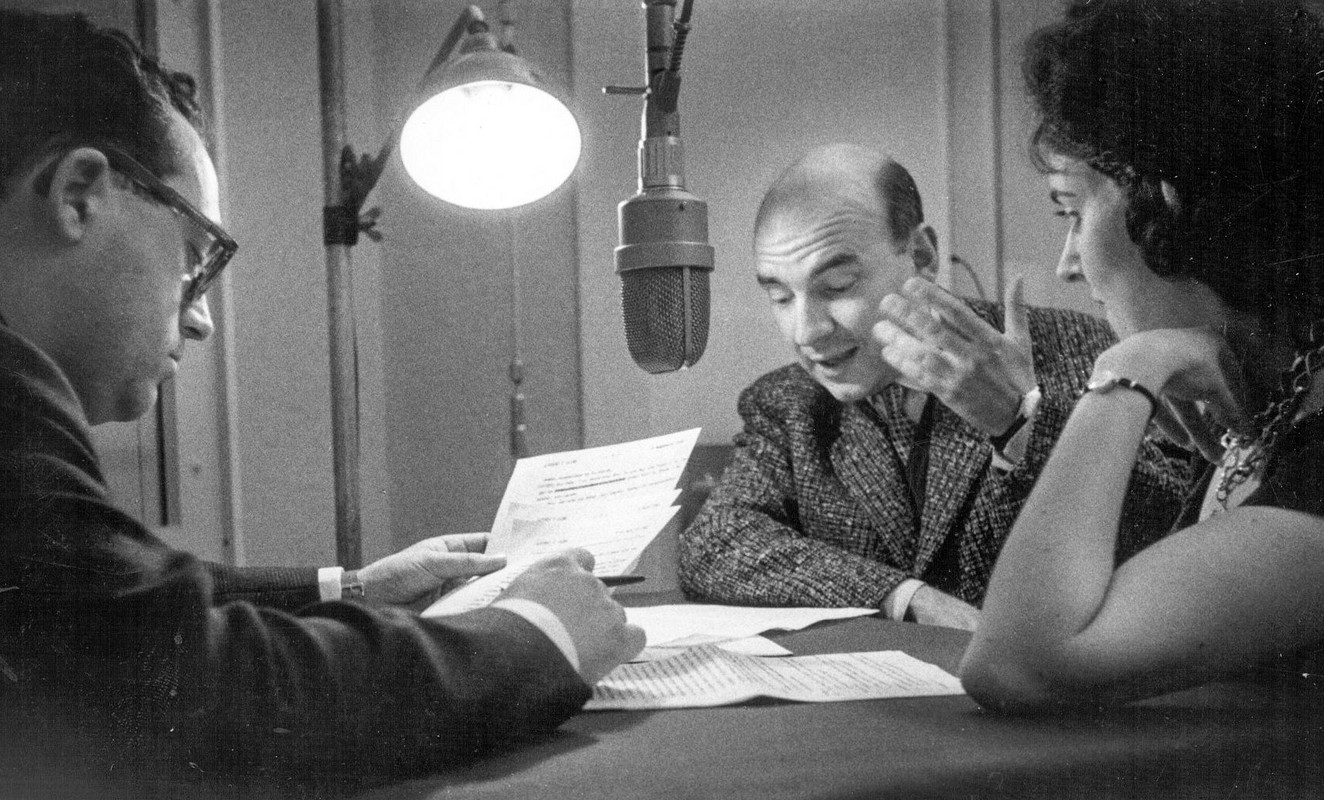
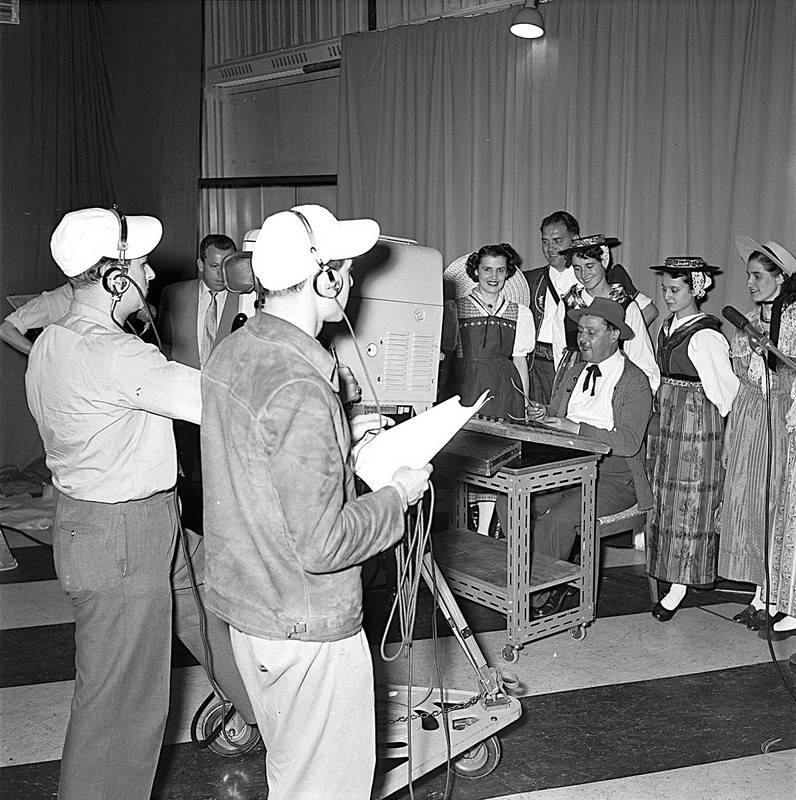
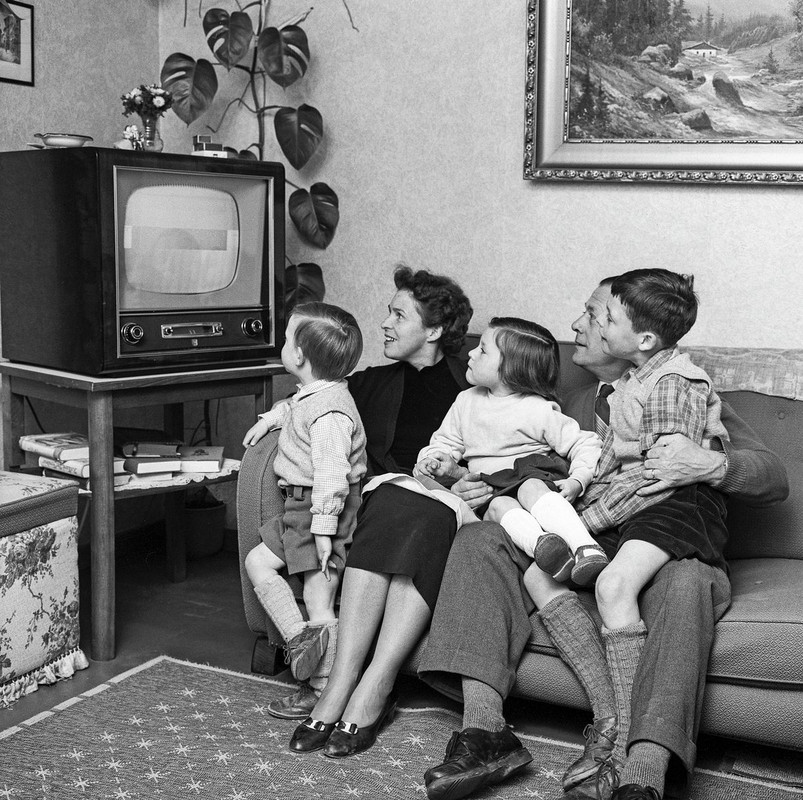
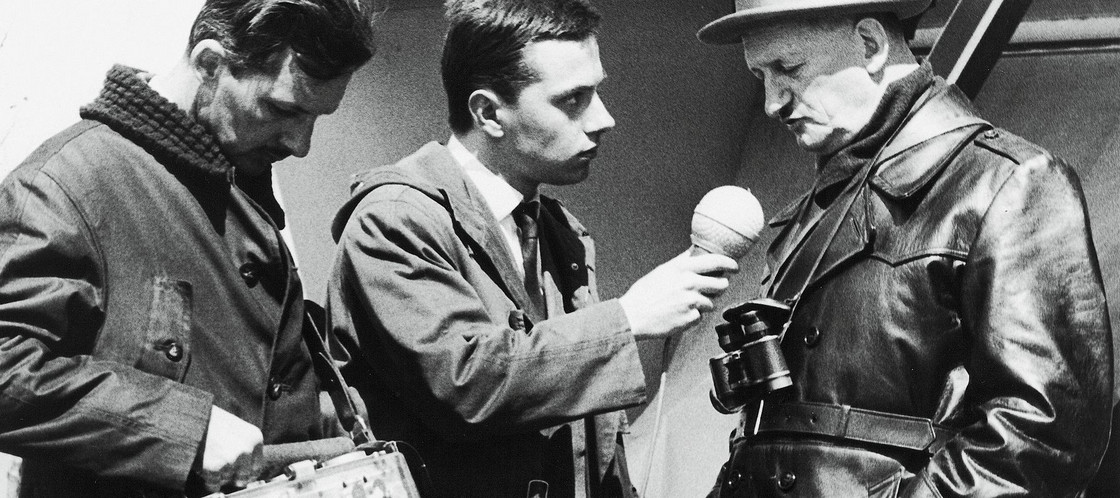
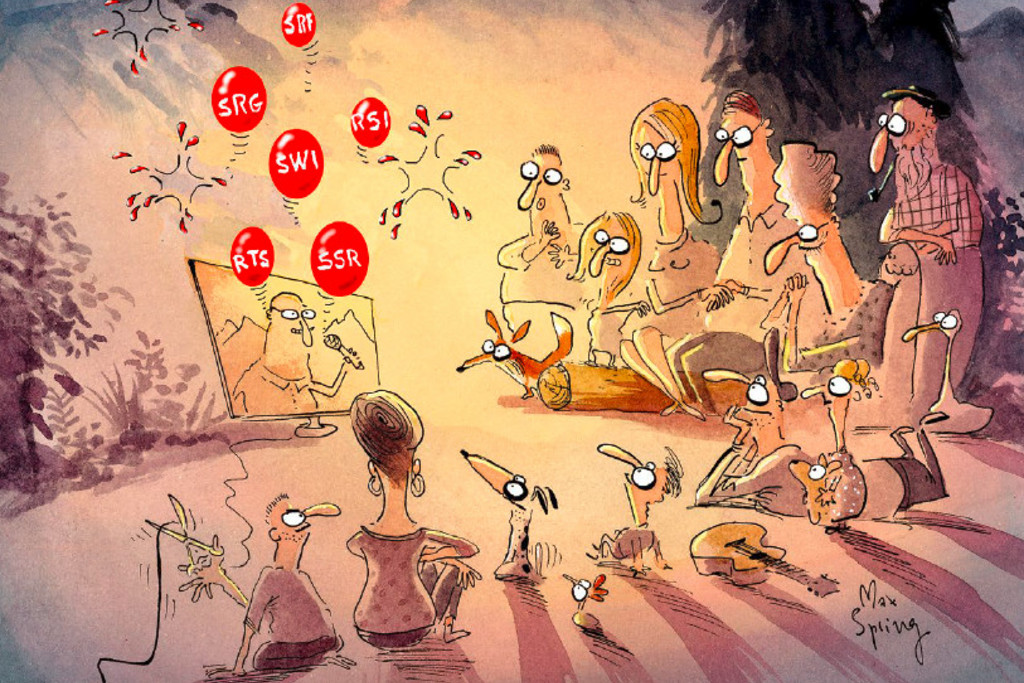
With its 17 radio and seven television channels SRG SSR still reaches a daily audience of several million people. However, 95 years after it was founded, it is no longer the “nation’s campfire”, the way it once was. Previously, in the time before the internet and streaming services, SRG SSR created shared, primetime experiences. Plays in dialect and news broadcasts on the radio used to empty the streets. Saturday evening shows and Swiss series saw families gather round the TV set. Today, media usage is fragmented and individual. “The focus is switching to online, mobile and non-linear consumption,” says Ulla Autenrieth, media scientist at Graubünden University of Applied Sciences.
Initiative designed to lower taxes
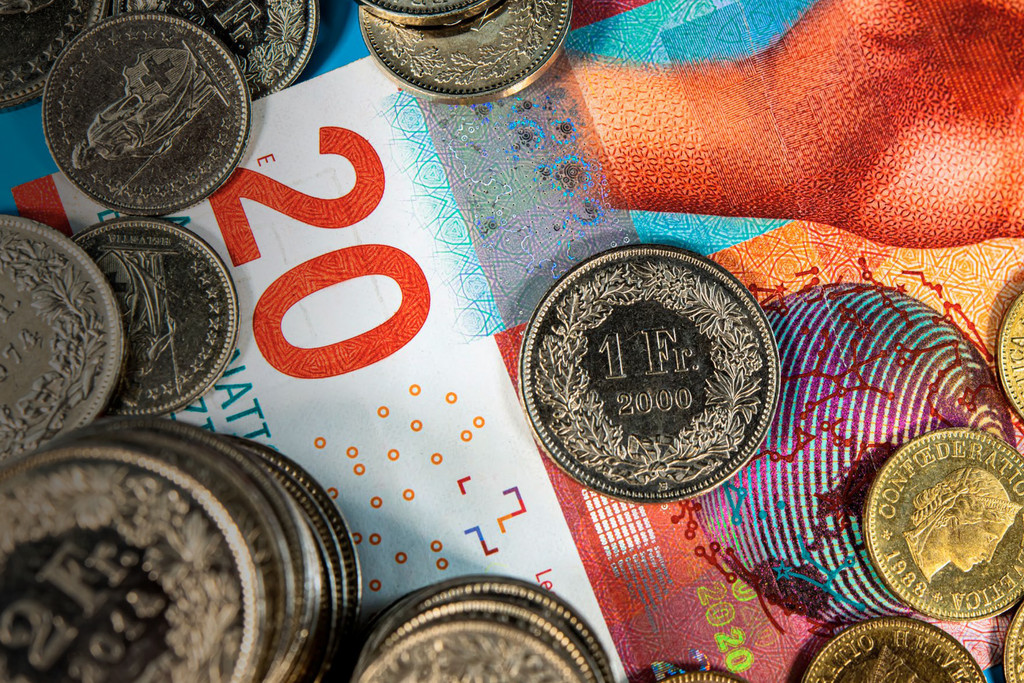
SRG SSR nonetheless remains an institution that stirs emotions. In 2018, a popular initiative aimed at abolishing the mandatory media tax, which Switzerland uses to fund its media service publicly, failed at the ballot box, with over 70 per cent of voters against. The right-wing conservative Swiss People’s Party (SVP), sections of the Free Democratic Party of Switzerland (FDP) and the Swiss Trade Association are now taking a new approach in their efforts to rein in SRG SSR. Their “200 Swiss francs is enough” initiative is aiming to reduce the current annual tax of 335 francs to 200 francs per household.
Cover photo: by Max Spring, the “Swiss Review” cartoonist. www.maxspring.ch
SRG SSR, whose operating revenue was 1.56 billion francs in 2024, finances 80 per cent of its budget through this tax. If the initiative is approved, it is forecasting a drop in revenue of 800 million francs, not least because a reduced range of programmes would also bring in less advertising revenue. Revenue would halve. Opponents of the initiative describe it as a “halving initiative”, whereas the people behind it say that SRG SSR’s calculations are too pessimistic. Private local radio and TV stations, which also receive money from the tax, would be spared under the initiative.
Federal Council itself imposes cutbacks
The Swiss government and parliament are against the initiative. It would noticeably reduce the offering and have negative consequences for the economy, culture, society and Switzerland’s already beleaguered media landscape, argues the Federal Council. However, the Federal Council has resolved in its own right to lower the tax from 2027: households will pay 300 francs, and 80 per cent of companies will no longer pay. Media Minister Albert Rösti (SVP), once a co-author of the initiative, sees this as a compromise. He feels the initiative goes too far and the cut would be “drastic”. Rösti has, however, “pushed through a counter-project that will require considerable savings from SRG SSR”. SRG SSR must change without driving away private investors.
Restructuring under new management
Susanne Wille has been at the head of SRG SSR since November 2024. Shortly after taking office, she announced the largest restructuring in the history of the company. More details have subsequently emerged. A total of 270 million francs in savings is to be achieved by 2029. Some 900 of the 5,500 jobs are being cut, and administrative structures are to be centralised. Alongside lower taxes, falling advertising revenue is also plaguing SRG SSR. Just like private media groups, it is feeling the bite of advertising money moving to US tech giants like Google.
The impact the savings package will have on programming remains unclear. For Wille it is a balancing act: she must make savings without alienating the supporters of public broadcasting, who want content over and beyond the pressure of ratings. She wants to digitise SRG SSR but cannot compete too fiercely with private media houses online. In any event, SRG SSR and publisher associations agreed on one thing last year: SRG SSR is to limit its online text contributions and focus on audiovisual content. SRG SSR and private stakeholders want to work together more closely, for instance in their use of technology.
Necessary or dangerous?
The vote on the 200-franc initiative is piling more pressure on SRG SSR. Proponents say that the licence fees are the highest in Europe. Zurich SVP National Councillor Thomas Matter, speaking in parliament, called it a “forced SRG SSR tax” that hit young people particularly hard, since the latter hardly watch or listen to TV and radio at all anymore. He also described the tax as an “absurd burden” on companies, saying that SRG SSR should confine itself to a “core mandate”. What this mandate would look like if SRG SSR were 800 million francs short is still a matter of debate. The wording of the initiative mentions only “radio and television programmes that provide an essential service for the general public”. Currently, SRG SSR’s constitutional mandate encompasses cultural, educational and entertainment content in addition to news.
Opponents of the initiative – a broad coalition of politicians from The Centre, FDP, the Green Liberals, the SP and the Greens alongside representatives of culture, sport and civil society – warn of far-reaching consequences. They claim that undermining an independent source of news at a time of growing disinformation from foreign platforms would threaten Switzerland’s security. Culture and sport would be losing a platform. And, above all, halving SRG SSR’s budget would mean it would be unable to maintain its federal structure and its four-language character, said coalition member and Centre National Councillor Martin Candinas of Grisons in parliament. Switzerland’s multilingual nature makes it misleading to compare the media tax with its international counterparts, opponents stress.
Voices from the debate
“Let’s finally trim down SRG SSR, with its unhealthily bloated headcount, finances and amount of power, to a sensible size.” Thomas Matter, Zurich, SVP National Councillor
“The initiative would deprive SRG SSR of 800 million francs. That’s not a cutback; that’s razing to the ground. It would hit our rural regions.” Josef Dittli, Uri, FDP member of the Council of States
“It’s hard to believe that, in spite of all the advances in technology, 850 million francs is not enough for a public-service broadcaster in a country of nine million inhabitants.” Lorenzo Quadri, Ticino, Lega National Councillor
“Local reporting for even the smallest villages in Switzerland has not made financial sense for a long time now. Many editorial departments have vanished from rural and mountainous regions. We need SRG SSR as a regionally anchored, four-language media house.” Christine Badertscher, Berne, Green National Councillor
“It is true that SRG SSR is important in the language regions that don’t have many options in terms of private media. But why should it finance such a lavish entertainment offering in German-speaking Switzerland?” Christian Wasserfallen, Berne, FDP National Councillor
“Households contribute less than one Swiss franc a day in order to be able to enjoy radio and television. That is the minimum for high-quality content.” Valérie Piller Carrard, Fribourg, SP National Councillor
Redistribution to linguistic minorities
SRG SSR produces content for Switzerland’s four language regions, via SRF (German), RTS (French), RSI (Italian) and RTR (Romansh), and also produces content for the foreign market through swissinfo (SWI). An internal financial redistribution process ensures that linguistic minorities continue to be catered for: of the 930 million francs that the Swiss German business sector received from the media tax in 2024, 235 million went to Ticino, 115 million to the French-speaking part of Switzerland and 20 million to the Romansh-speaking part.
If SRG SSR’s budget were halved, it would have to close most of its regional studios, the media department reports. It currently operates seven main and 17 regional studios. Reporting would more often take place from these centres: “There would be significantly less regional journalism.” Is the news for Ticino about to be produced in Zurich? The initiative’s sponsors see these warnings as exaggerated. The basic media offer for minorities is not in jeopardy, as the initiative would leave the financial redistribution intact, according to the “yes” committee. Programmes of “the same high value” will still be possible.
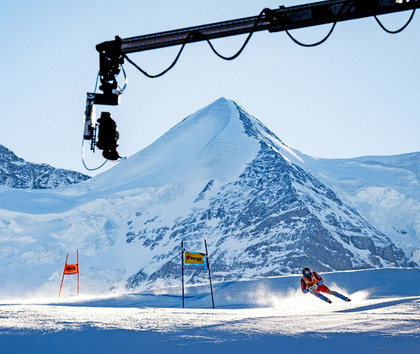
How much sport SRG SSR can and should continue to broadcast live is also a matter of intense debate ahead of the vote. Pictured here: the 2025 men’s downhill at Wengen. Photo: Keystone
“Shared media space”
Media scientist Ulla Autenrieth sees the “structural reality”, however: in Switzerland, public service content is created not for a homogeneous national market but for multiple audiences differentiated by their language, culture and region: “Something that benefits from an economy of scale in other countries needs to be produced multiple times for us.” With so much less money, SRG SSR would be forced to reduce its offer. “But the idea of a shared media space depends on diversity,” she says.
Notwithstanding fragmented use of media, the need for shared points of reference remains, according to Autenrieth. Younger people want reliable content, as do parents for their children, research has shown. Public broadcasting could play to its key strengths here by going where the interest is: “Many young people consume SRG SSR content via play platforms, social media or podcasts.” Any contemporary public service must be digital and flexible. Shared media experiences today no longer arise from one single “campfire”, but in many forms, from live events like the Women’s European Championships in football last year to collaborative formats. If SRG SSR takes this reasoning seriously, it could continue to act to bring people together.
This article reflects the situation at the time of our editorial deadline on 18 December.
Thank you for your comment. Your Comment Added Successfully.
Thank you for your comment. Comments are approved within one to three days.
Oops! Something went wrong, please try again later.
Comments :
Thank you for your comment. Your Comment Added Successfully.
Daniel Roth, Südamerika 13.02.2026 At 20:10
Würde die SRG ihren eigentlichen Auftrag, die Schweizer Bevölkeung NEUTRAL und SACHLICH informieren, statt linke Staatspropaganda verbreiten, wäre das Vertrauen in diesen Moloch wahrscheinlich noch vorhanden.
Show Translation
Thank you for your comment. Your Comment Added Successfully.
Arye Ophir, Israel 12.02.2026 At 16:15
Sachlich notwendige Information um eine seriöse Meinung zu bilden und SRG sind heute, nach dem was ich höre und sehe, zwei verschiedene Dinge. Ich hab so den Eindruck, die SRG ist im eigentlichen nur noch da für sich selbst und ihren eigenen ideologischen Schmalspurtrend, weit entfernt von dem was sie sein sollte als Mittel zur Aufklärung. Eine eingreifende Reformation ist längst angebracht! Ergo: die oben angesagte Gesetzesvorlage ist ganz sicher ein begrüssenswerter Anfang.
Show Translation
Thank you for your comment. Your Comment Added Successfully.
Emanuela Bellin, MacNabs Cove, Canada 11.02.2026 At 19:54
Meines Erachtens geht es bei der SRG-Initiative vor allem um einen grossen Vertrauensverlust in diese Institution, die sich in den vergangenen Jahren mit einer unglaublich einseitigen Berichterstattung einen schlechten Namen gemacht hat. So zum Beispiel während der sogenannten Pandemie.
Immer mehr Menschen ist aufgefallen, dass bestimmte politisch gewollte Narrative gefördert werden, während Gegenstimmen unterdrückt wurden.
Diese wurden als Verschwörungstheoretiker und Aluhüte gebranntmarkt, - doch wenn man sich jetzt in der Welt umsieht, sind alle diese sogenannten Verschwörungs-Theorien zur Wahrheit geworden. Kein Wunder, dass sich klar denkende Menschen von dieser einseitigen und gleichgeschalteten Berichterstattung abwendet und nicht mehr gewillt ist, diese noch mitzufinanzieren. Es lebe der freie Journalismus und Alternativmedien, die sich der Wahrheit und einem investigativem Journalismus verschrieben haben.
Show Translation
Thank you for your comment. Your Comment Added Successfully.
Susanne Boss, Norwegen 11.02.2026 At 12:59
Ihr Artikel ist ungefähr genauso neutral wie die SRG, eben einer der seit Jahren kritisierten Mängel! Dann zeigen sie so schön ein Foto vor ca. 60 Jahren, wo es wohl nur SRG zu schauen gab! Schon in den 70-ern lief doch in vielen Schweizer Haushalten SRG nur noch für Nachrichten und Wetterprognose! Ok, im Winter dann noch die alpinen Rennen.
Und was ja, seit ein paar Jahren wohl in ganz Europa, der Gipfel der Frechheit ist, dass nun Zwangsgebühren für jede Person/Haushalt anfallen, ganz egal ob man mit seinem Gerät jemals SRG (oder andere Sender, obwohl ja schon dort falsch ist dass SRG kassiert obwohl Dritt Anbieter genutzt werden!) konsumiert oder nicht! Für meinen Teil sind sogar noch die 200.- Fr. mehr als grosszügig, da immer noch Zwangsabgaben für etwas, das ich freiwillig nicht nutze, ob nun in der Schweiz oder hier in Norwegen (hier in Norwegen sollte spätestens seit 2020 eigentlich sowieso obligatorisch eine Warnung mit "Achtung, gefährliche Fake News" eingeblendet werden! Sehr viel besser ist es aber leider aktuell auch so ziemlich im restlichen Europa nicht).
Show Translation
Thank you for your comment. Your Comment Added Successfully.
Urs Zemp, Deutschland 11.02.2026 At 08:39
Ich wohne in Deutschland und darf SRF nicht kostenlos sehen. Aber jeder Schweizer kann in der Schweiz ARD und ZDF gratis schauen. Unschön finde ich.






Comments
Comments :
Würde die SRG ihren eigentlichen Auftrag, die Schweizer Bevölkeung NEUTRAL und SACHLICH informieren, statt linke Staatspropaganda verbreiten, wäre das Vertrauen in diesen Moloch wahrscheinlich noch vorhanden.
Sachlich notwendige Information um eine seriöse Meinung zu bilden und SRG sind heute, nach dem was ich höre und sehe, zwei verschiedene Dinge. Ich hab so den Eindruck, die SRG ist im eigentlichen nur noch da für sich selbst und ihren eigenen ideologischen Schmalspurtrend, weit entfernt von dem was sie sein sollte als Mittel zur Aufklärung. Eine eingreifende Reformation ist längst angebracht! Ergo: die oben angesagte Gesetzesvorlage ist ganz sicher ein begrüssenswerter Anfang.
Meines Erachtens geht es bei der SRG-Initiative vor allem um einen grossen Vertrauensverlust in diese Institution, die sich in den vergangenen Jahren mit einer unglaublich einseitigen Berichterstattung einen schlechten Namen gemacht hat. So zum Beispiel während der sogenannten Pandemie.
Immer mehr Menschen ist aufgefallen, dass bestimmte politisch gewollte Narrative gefördert werden, während Gegenstimmen unterdrückt wurden.
Diese wurden als Verschwörungstheoretiker und Aluhüte gebranntmarkt, - doch wenn man sich jetzt in der Welt umsieht, sind alle diese sogenannten Verschwörungs-Theorien zur Wahrheit geworden. Kein Wunder, dass sich klar denkende Menschen von dieser einseitigen und gleichgeschalteten Berichterstattung abwendet und nicht mehr gewillt ist, diese noch mitzufinanzieren. Es lebe der freie Journalismus und Alternativmedien, die sich der Wahrheit und einem investigativem Journalismus verschrieben haben.
Ihr Artikel ist ungefähr genauso neutral wie die SRG, eben einer der seit Jahren kritisierten Mängel! Dann zeigen sie so schön ein Foto vor ca. 60 Jahren, wo es wohl nur SRG zu schauen gab! Schon in den 70-ern lief doch in vielen Schweizer Haushalten SRG nur noch für Nachrichten und Wetterprognose! Ok, im Winter dann noch die alpinen Rennen.
Und was ja, seit ein paar Jahren wohl in ganz Europa, der Gipfel der Frechheit ist, dass nun Zwangsgebühren für jede Person/Haushalt anfallen, ganz egal ob man mit seinem Gerät jemals SRG (oder andere Sender, obwohl ja schon dort falsch ist dass SRG kassiert obwohl Dritt Anbieter genutzt werden!) konsumiert oder nicht! Für meinen Teil sind sogar noch die 200.- Fr. mehr als grosszügig, da immer noch Zwangsabgaben für etwas, das ich freiwillig nicht nutze, ob nun in der Schweiz oder hier in Norwegen (hier in Norwegen sollte spätestens seit 2020 eigentlich sowieso obligatorisch eine Warnung mit "Achtung, gefährliche Fake News" eingeblendet werden! Sehr viel besser ist es aber leider aktuell auch so ziemlich im restlichen Europa nicht).
Ich wohne in Deutschland und darf SRF nicht kostenlos sehen. Aber jeder Schweizer kann in der Schweiz ARD und ZDF gratis schauen. Unschön finde ich.