Over nine million people now live in Switzerland, three times more than at the beginning of the 20th century. A high birth rate fuelled rapid population growth in the post-war years; high immigration has had the same effect since the turn of the millennium. Since 2002, people from countries in the European Economic Area have been able to take up employment and settle with their families in Switzerland. The principle of free movement of people between the European Union (EU) and Switzerland also allows Swiss to work and settle in the EU. Over 530,000 Swiss Abroad currently live in European countries.
Opening up the labour market has led to a significant influx of migrants into Switzerland. Since the start of the 2000s, the Swiss population has grown by two million to its present figure of over nine million. Some 2.4 million people – or around 26 per cent of the total population – now live in Switzerland without a Swiss passport. Two thirds of this contingent come from European countries, particularly Italy, Germany, Portugal and France.
Population of ten million expected by 2040
According to Federal Statistical Office (FSO) forecasts, Switzerland’s resident population is likely to reach ten million by 2040 and 10.5 million by 2055, if immigration continues at current levels. With the number of people retiring set to exceed the number of people entering the workforce in the coming years, fresh labour will be needed to keep the Swiss economy going. Immigration slows demographic ageing, but it cannot stop it completely. The over-65s today account for about 20 per cent of the total population. This proportion will have risen to 25 per cent by 2055.
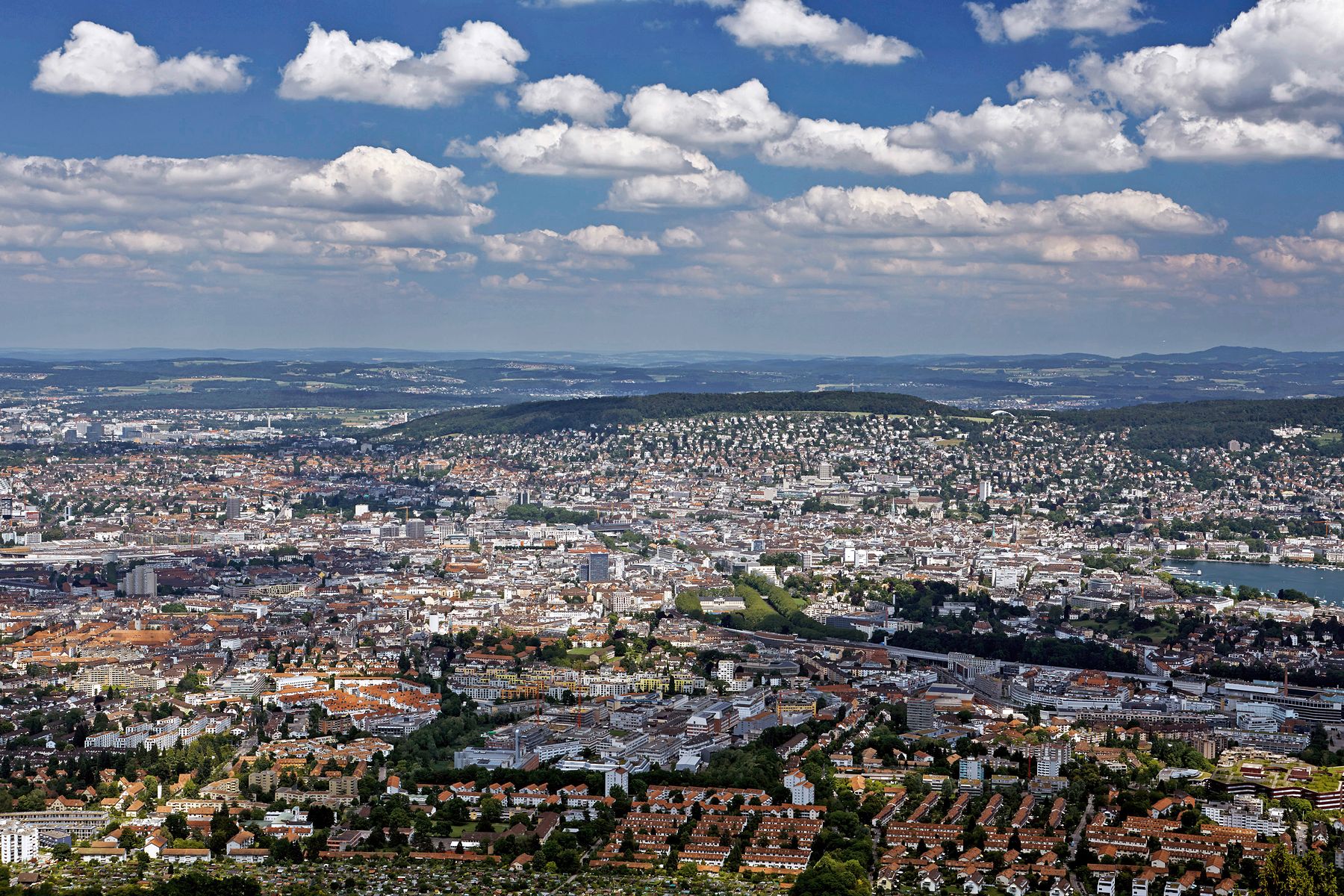
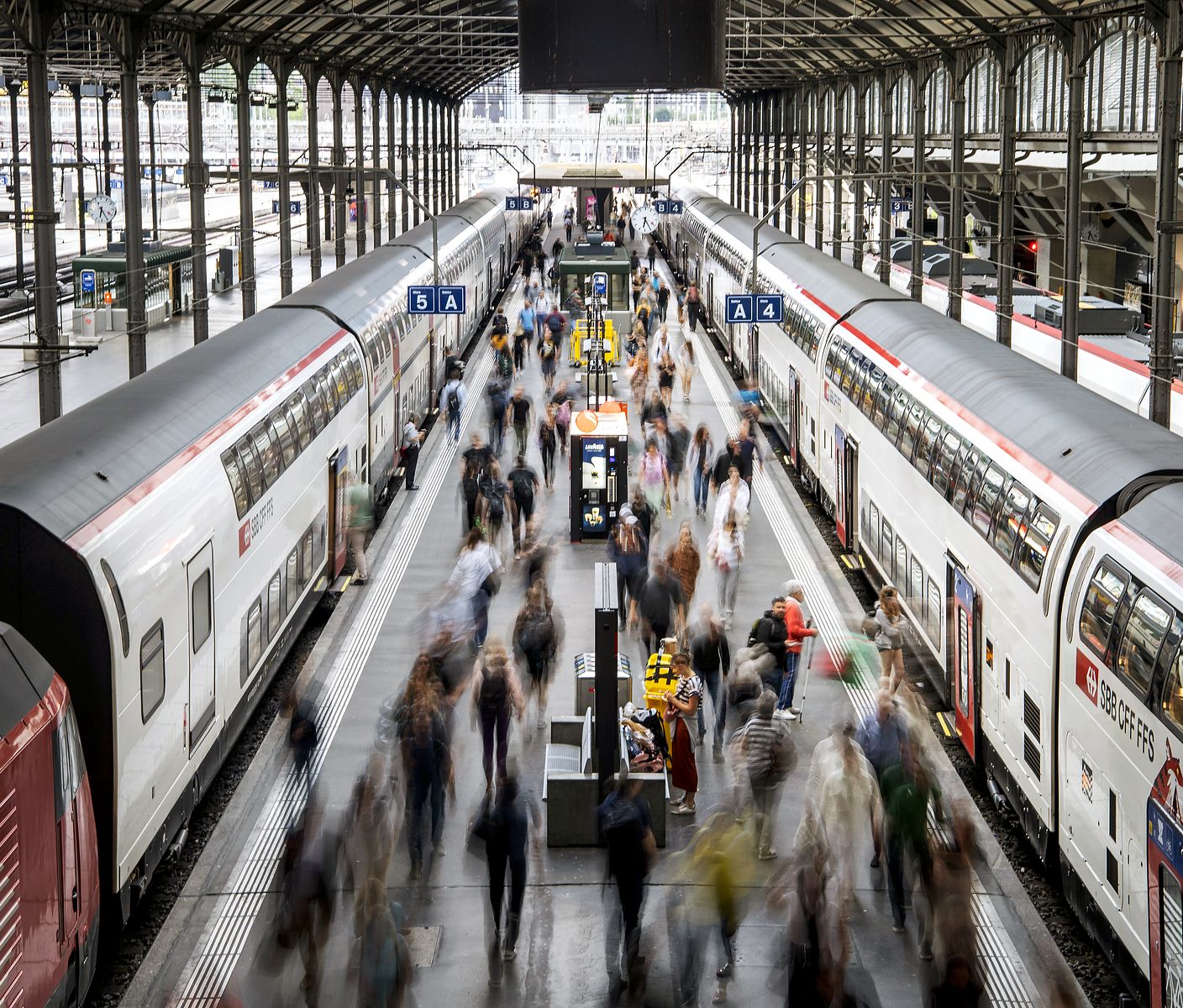
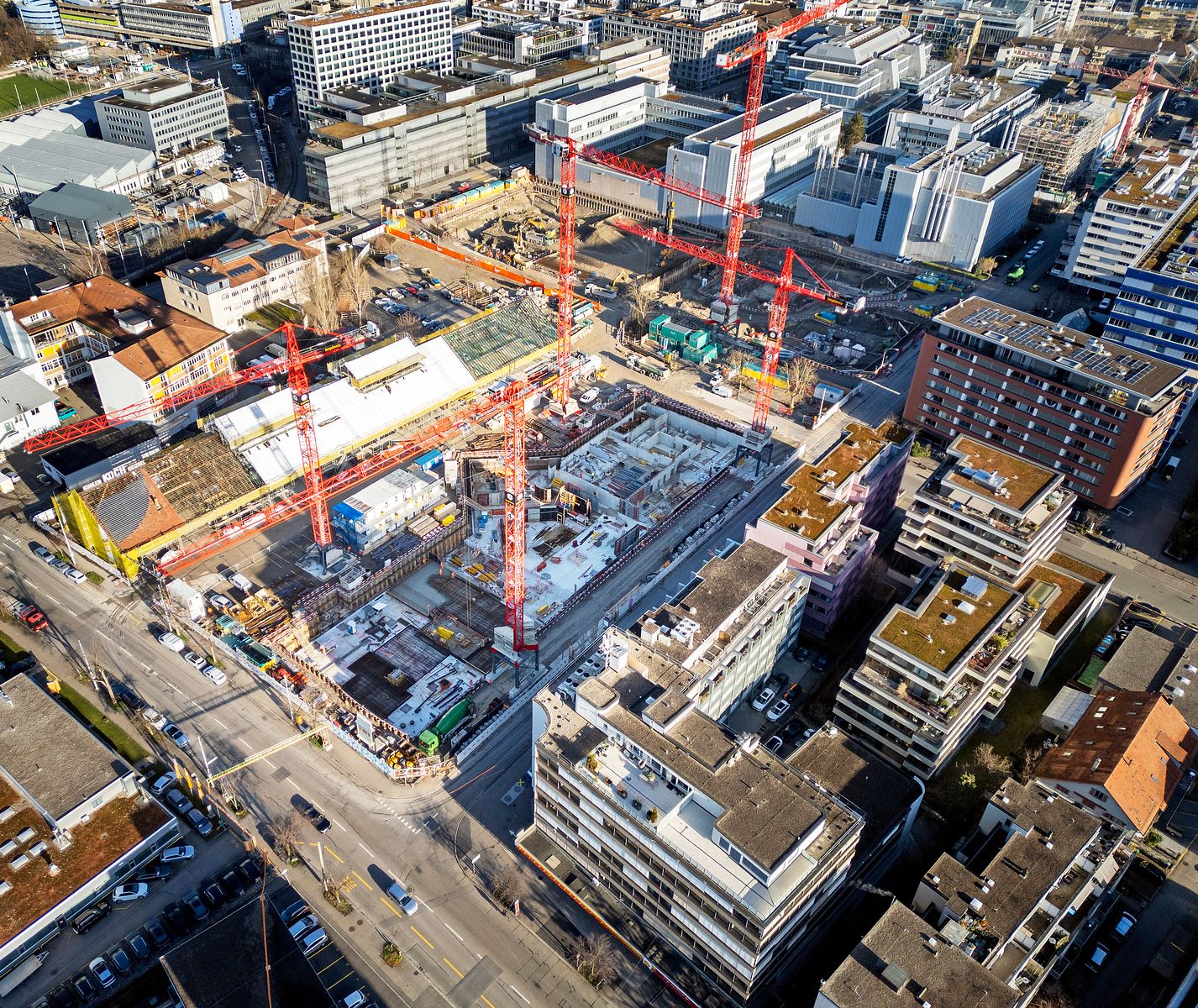
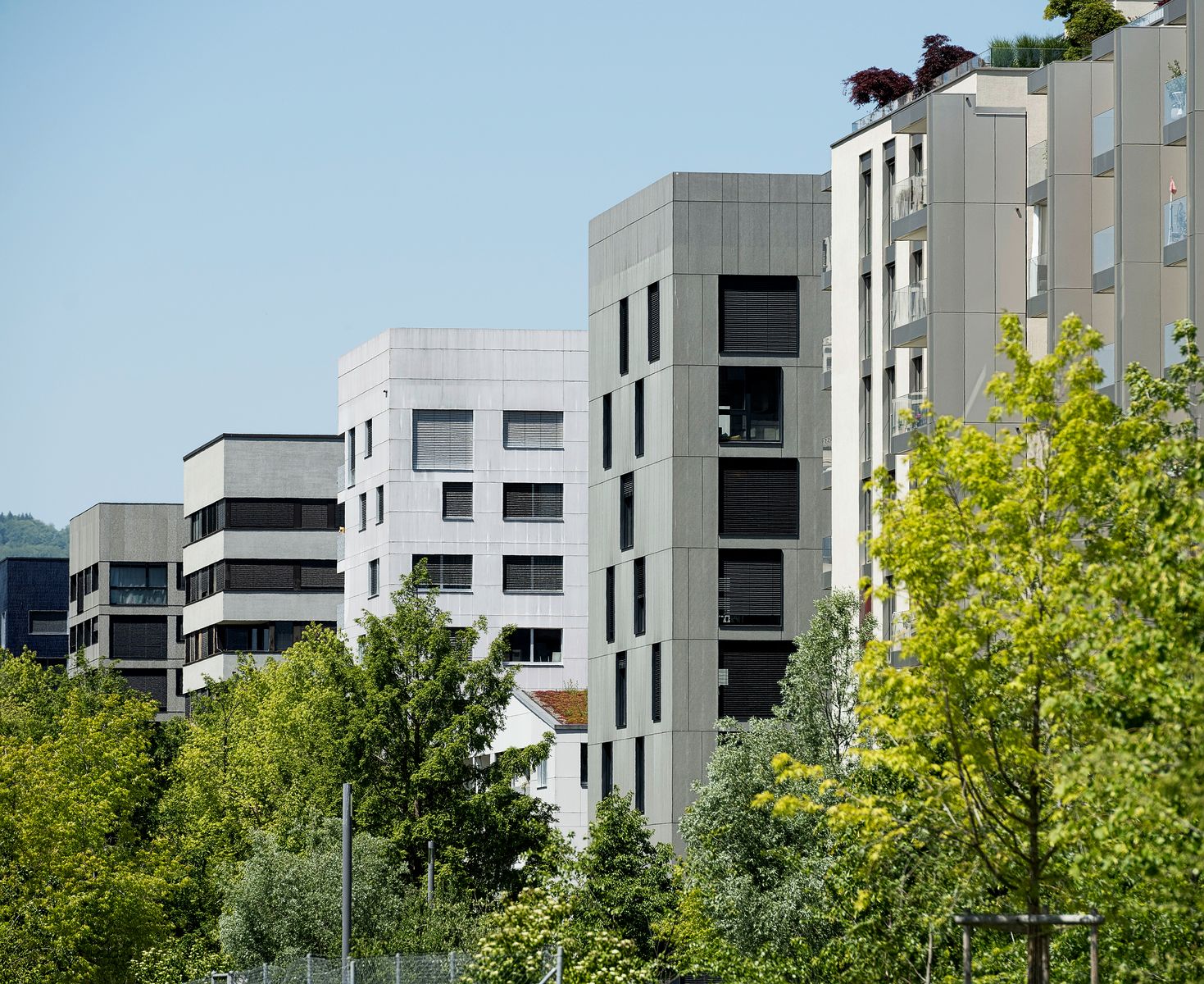
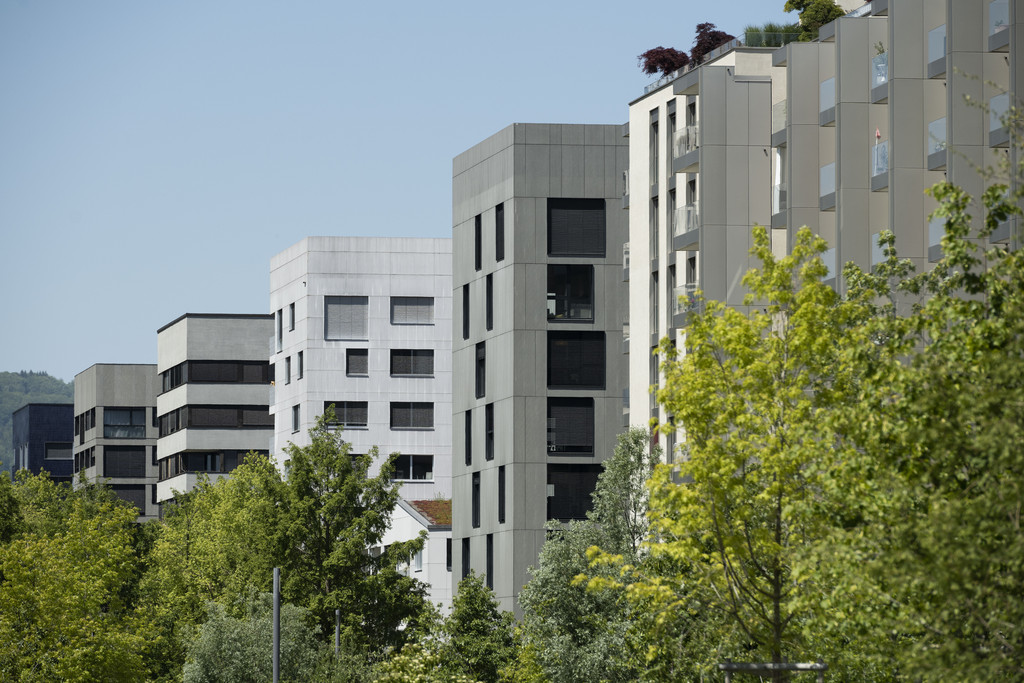
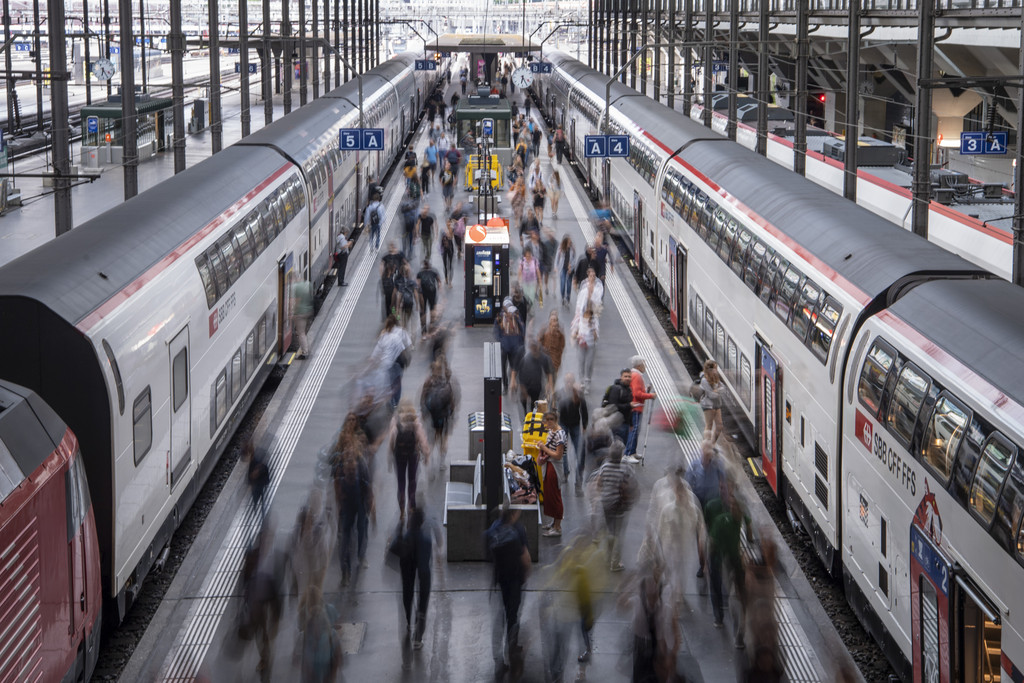
Apart from keeping the economy afloat, migrant workers pay taxes and help to fund the state pension. Yet there is disquiet about the population growing so quickly. Switzerland is overcrowded, say critics. The impact of an expanding population is mainly felt in urban areas, where housing is becoming increasingly scarce. Around two thirds of Switzerland’s inhabitants live in the densely populated Central Plateau region between Lake Geneva and Lake Constance, where the roads are gridlocked and the trains, buses and trams full to bursting at rush hour. Politicians are aware of this: the Federal Council plans to invest over 40 billion Swiss francs in the transport network by 2045.
SVP initiative to limit Swiss population
The Swiss People’s Party (SVP) believes that population growth has gone too far, calling it “uncontrolled”. Its “No to a Switzerland of 10 million” initiative, also known as the sustainability initiative, will be put to voters on 14 June. Specifically, the SVP proposes a constitutional amendment to the effect that Switzerland’s permanent resident population may not exceed ten million before 2050, whereby the government would have to take measures to curb migration once the population reached the 9.5-million threshold – a possible scenario even within the next five to ten years, based on FSO forecasts. In tabling the initiative, the SVP ultimately wants Switzerland’s agreement with the EU on the free movement of people to be terminated – which is what would happen if the government was unable to “negotiate or invoke any exemption or protection clauses” in the event of the threshold being exceeded.
The Swiss electorate rejected a proposal to scrap free movement six years ago, with around 57 per cent voting no to the SVP’s “For moderate immigration” initiative in 2020. Yet the anti-immigration SVP managed to win at the ballot box back in 2014, when a narrow majority of voters – 50.3 per cent – narrowly endorsed the “Against mass immigration” initiative. However, the quotas to which foreign workers would have been subject were not introduced, because the government and parliament did not want to risk a breakdown in relations with the EU. The stated alternative was to do more to exploit the potential of Switzerland’s domestic workforce.
Sensitive juncture in Swiss-EU relations
The SVP’s latest initiative once again endangers Switzerland’s bilateral agreements with the EU, says the government. Terminating the agreement on free movement would also invalidate the other treaties, while Swiss living in the EU could face negative consequences if their right of residence is tied to free movement.
The Federal Council and a majority in parliament as well as industry groups and trade unions reject the “radical” initiative, which, its opponents say, jeopardises jobs and prosperity in Switzerland. The government concedes that immigration and a growing population pose “challenges” for Switzerland – not least on the housing market, which is why additional public money has been earmarked for the construction of affordable homes.
The 14 June vote comes at a sensitive juncture in Swiss-EU relations. This March, the Federal Council and the European Commission put pen to paper on a new package of agreements that were agreed by both sides after protracted talks (see “Swiss Review” 2/2025). This package updates and expands the existing bilateral treaties. It also includes a safeguard clause that will allow Switzerland to limit immigration if “serious economic or social problems” arise. Details of when and how this clause would be triggered are still unclear and likely to be up for debate. Parliament still has to ratify the new treaties, after which voters are expected to give their verdict in 2028.













Comments