The Swiss electorate gave short shrift to a proposal from the Young Socialists to introduce an inheritance tax for the super-rich. At the same time, a cross-party initiative to revamp Switzerland’s conscription system foundered. The “Fifth Switzerland” also emphatically rejected both initiatives.
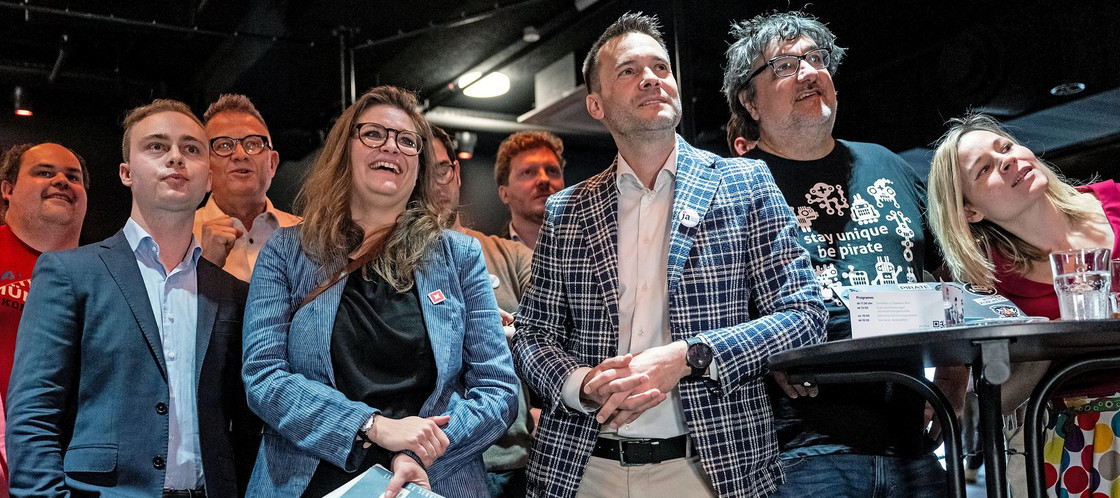
A losing battle for JUSO chair Mirjam Hostetmann – her organisation’s proposal to introduce an inheritance tax for the super-rich was overwhelmingly rejected. Photo: Keystone
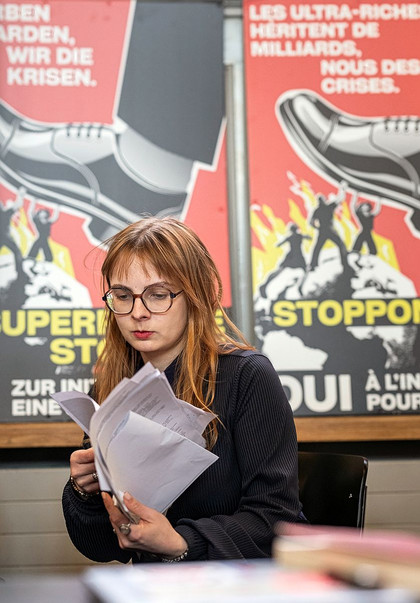
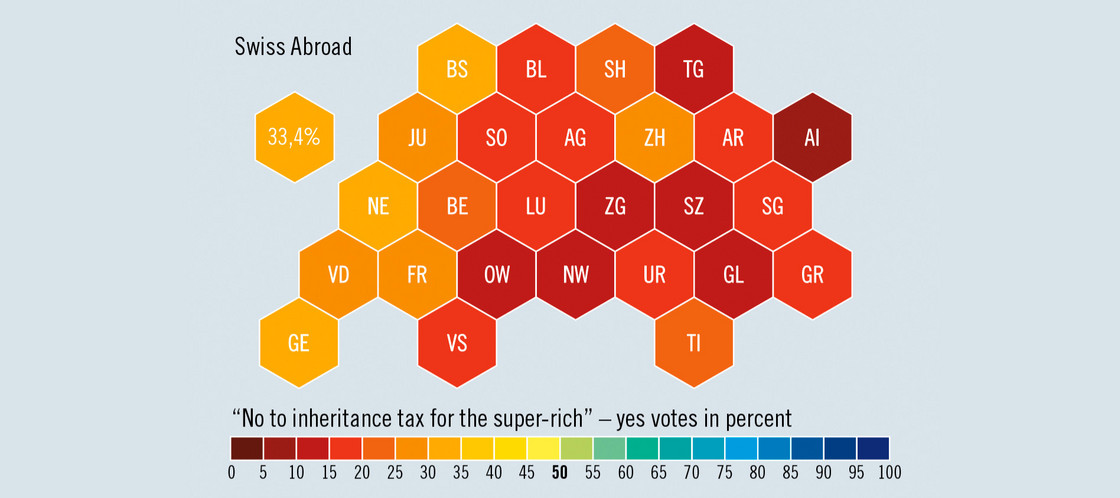
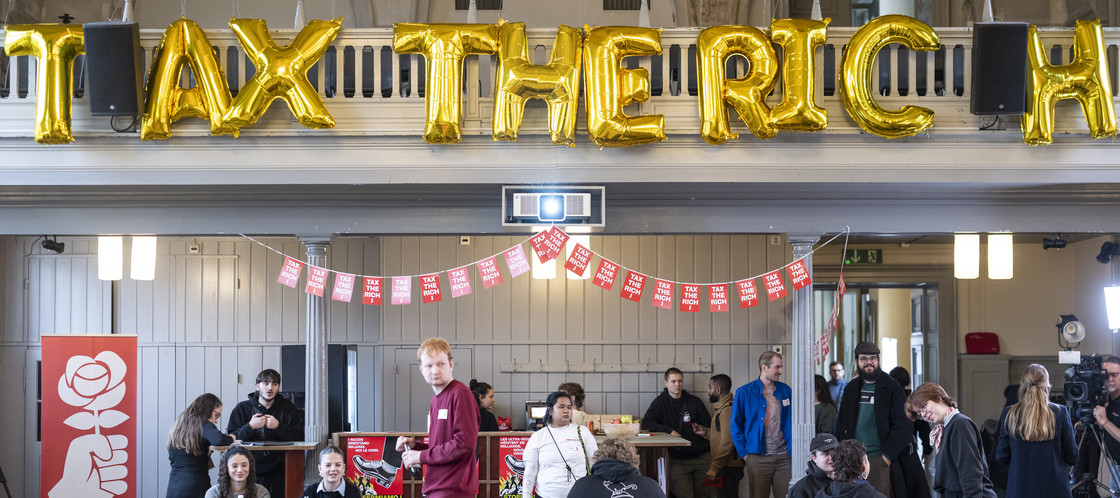
Of the two proposals put to voters on 30 November, it was inheritance tax that proved particularly controversial: the Young Socialists (JUSO) wanted an additional tax on estates and endowments worth 50 million Swiss francs or more, saying that the resultant revenue should be used to fund climate action ( see “Swiss Review” 4/2025: Initiative for a future | Should the super-rich bankroll the fight against climate change?). Their initiative ended in dismal fashion, with more than three quarters (78.3 per cent) of the electorate voting no. Not a single canton voted yes. The major cities are normally fertile ground for left-green ideas, but urban voters were also less than impressed. Only Berne gave approval. At 66.6 per cent, the Swiss Abroad no vote was a little less clear-cut than the national average.
The authors of the initiative blamed their resounding defeat on “scaremongering”, with JUSO accusing right-wing parties and industry groups of trying to shut down debate about the climate crisis and the concentration of wealth in Switzerland. “Anyone who questions the privileges of the wealthiest is shot down,” they said.
The no camp called JUSO’s proposal “socialist expropriation”, warning that it would damage the economy. Some wealthy businessmen even threatened to move abroad if the initiative was approved. This alarmed many voters, political experts say, adding that proponents of the initiative were unable to frame their cause in positive terms (i.e. more money for climate action). Hence, the debate focused mainly on the additional tax burden.
Uneven playing field
Opponents of the initiative spared no expense, ploughing some 3.7 million francs into the no campaign. Switzerland’s main business federation, Economiesuisse, provided most of these funds. The initiative committee, on the other hand, only had 400,000 francs to play with.
Following the exceptionally clear result, an inheritance tax at federal level looks to be off the table for now. A similar initiative was also flatly rejected ten years ago, with 71 percent saying no. It remains to be seen whether the left will try again at some point. Despite the setback, JUSO says it wants to continue “fighting for socially equitable climate action and against growing inequality”.
On that note: it is undeniable that the richest percentage of the population owns over 30 percent of all private wealth in Switzerland. The 300 richest people in the country accounted for total assets worth 850 billion francs last year – a new record.
Unequal distribution of wealth also appears to be an issue for the wealthy. On the day after the vote, billionaire Alfred Gantner surprised everyone by suggesting that the super-rich should pay more wealth tax. Gantner, a financial investor who made his fortune from equity deals, said in newspaper interviews that such a levy would be much more effective than an inheritance tax. He himself was willing to pay more tax, because his wealth was not something he had simply earned. “It was also down to a lot of luck.” Gantner criticised the continued concentration of wealth: “A handful of people in this country own vast amounts of money, while others struggle to pay their health insurance premiums and their rent. This cannot be right.”
Public service for all – emphatically rejected
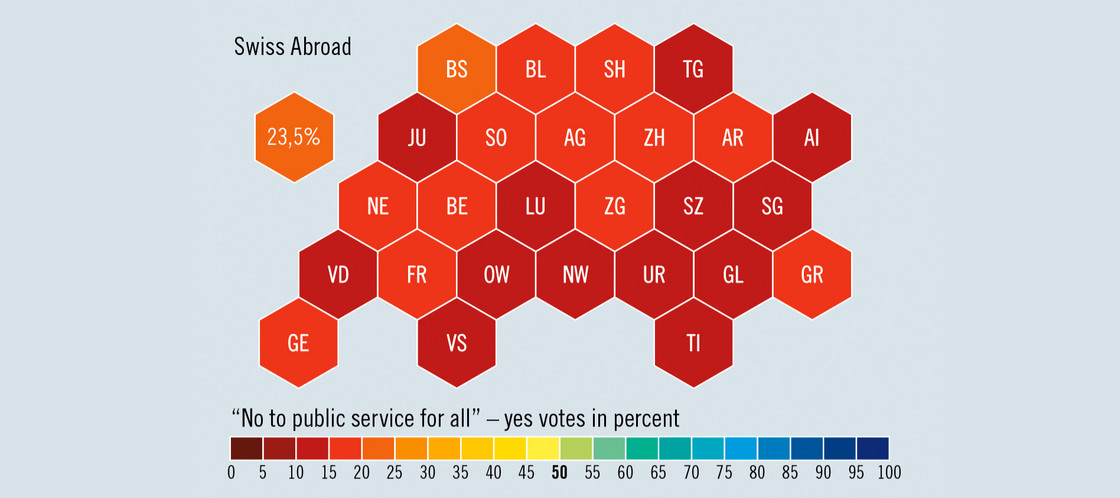
There was also a thumping defeat for the authors of an initiative calling for a revamp of Switzerland’s conscription system that would have widened the concept of military/civilian service and obliged all Swiss citizens to do public service of benefit to the community and the environment (see “Swiss Review” 4/2025: “Service citoyen” | Switzerland to vote on public service for all). The idea failed to gain any traction at all, with 84.1 percent of the electorate voting no. The “Fifth Switzerland” also expressed clear opposition to the proposal, with 76.5 percent against.
For Noémie Roten, who co-authored and drove the initiative, the result shows “how difficult it is for a small grassroots campaign to take on the entire political establishment”. Indeed, the idea of broadening the definition of military/civilian service came under fire from various quarters: the left bemoaned the mandatory nature of the scheme, which would have also applied to women, while the right were worried that the notion of public service for all would erode the concept of traditional military service.
Besides, the conservative parties want more, not fewer, young men to do military service. This is because, since civilian service was introduced in 1996, a growing proportion of men have opted out of the military in favour of the alternative. In autumn 2025, parliament passed a bill to make civilian service less attractive – by increasing its duration, among other things. Switzerland’s civilian service association, Civiva, and the SP and Greens consequently launched a referendum petition to contest the bill. If they get enough signatures, voters will again have the last word.








Comments