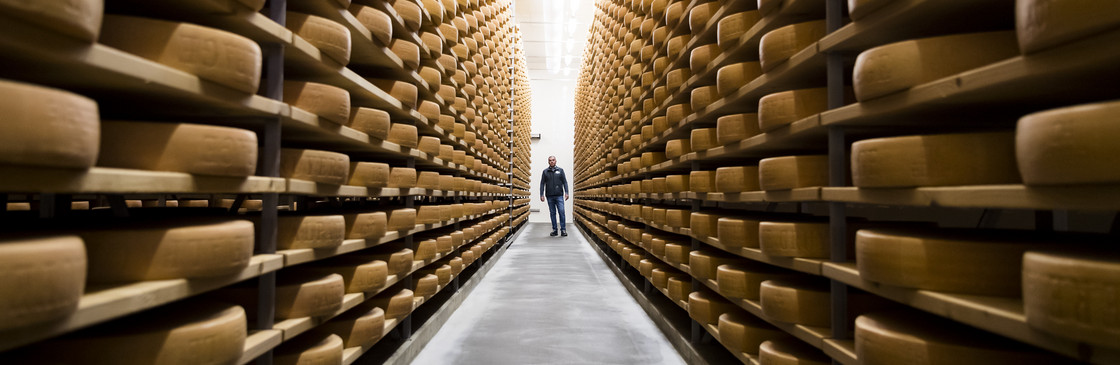
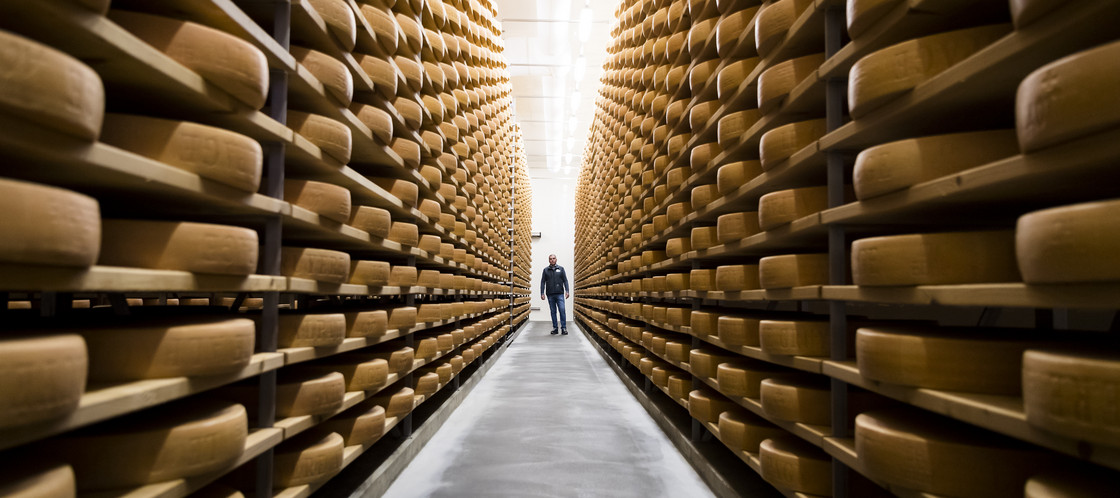
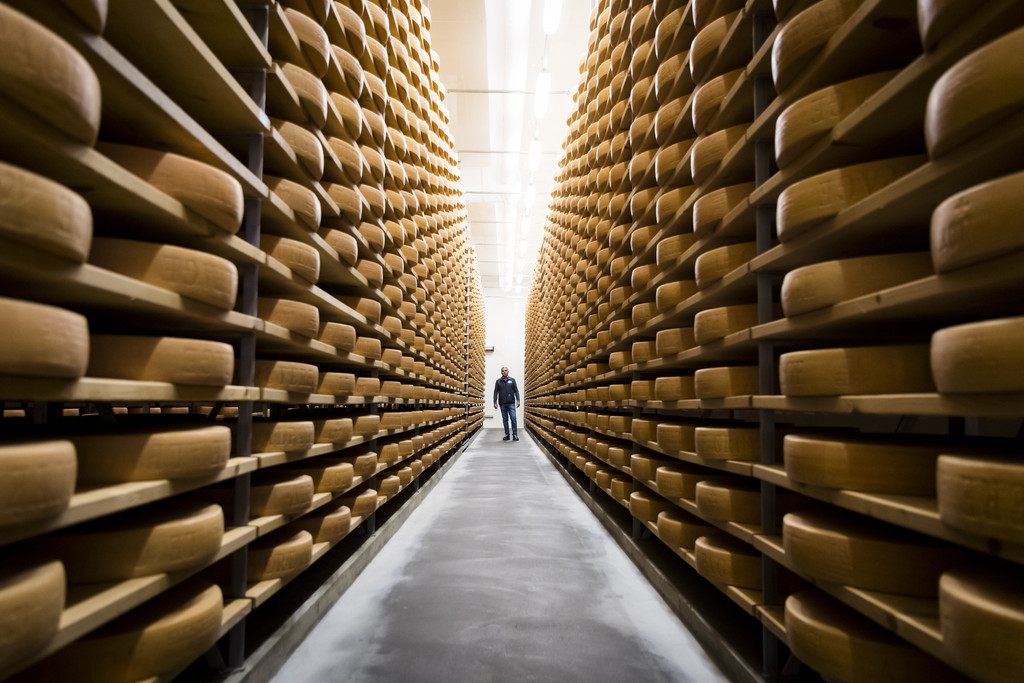
There are certain things that are quintessentially, unmistakably Swiss. The Alps, direct democracy, cheese. Expats know the feeling: you spot a piece of Gruyère, some Emmental or a bar of Swiss chocolate in your local supermarket, and suddenly you are transported right back to your home country.
But actually, how Swiss is our food these days? The answer may surprise you. Switzerland produces less than half of the food eaten in the country. In other words, over half of the calories that the Swiss population consumes come directly or indirectly from other countries. This statistic is even more astonishing when you consider that agriculture is front and centre in our nation of lush pastures, grazing cows and bucolic family-run Alpine farms.
But that tells only part of the story. Agriculture is one thing; food security, the environment, profitability, and public expectations are another. Long gone are the days when the contents of our plates were just a question of taste. Some will say that eating meat is as natural to human beings as walking upright, others that it is no longer viable. And while Switzerland imports much of its food, it exports cheese all around the world. Of course it does. Our country likes to be self-sufficient, but we are truly intertwined with the rest of the world – and Europe in particular.
Talking of Europe, the electorate will at some stage have to vote yes or no to Bilaterals III, the new package of Swiss-EU agreements. It is the same old question: how close a relationship does Switzerland need with the European Union to remain economically strong but politically independent? The neutrality debate also touches on how autonomous we want to be in an interconnected but uncertain world. That such issues are relevant to agriculture is perhaps no coincidence. What we eat depends not only on the weather, our soil and our fields, but also on markets, agreements and our relationship with the world. Like it or not, food is also political.
WALTER SCHMID, EDITOR-IN-CHIEF






Comments