Understaffed army
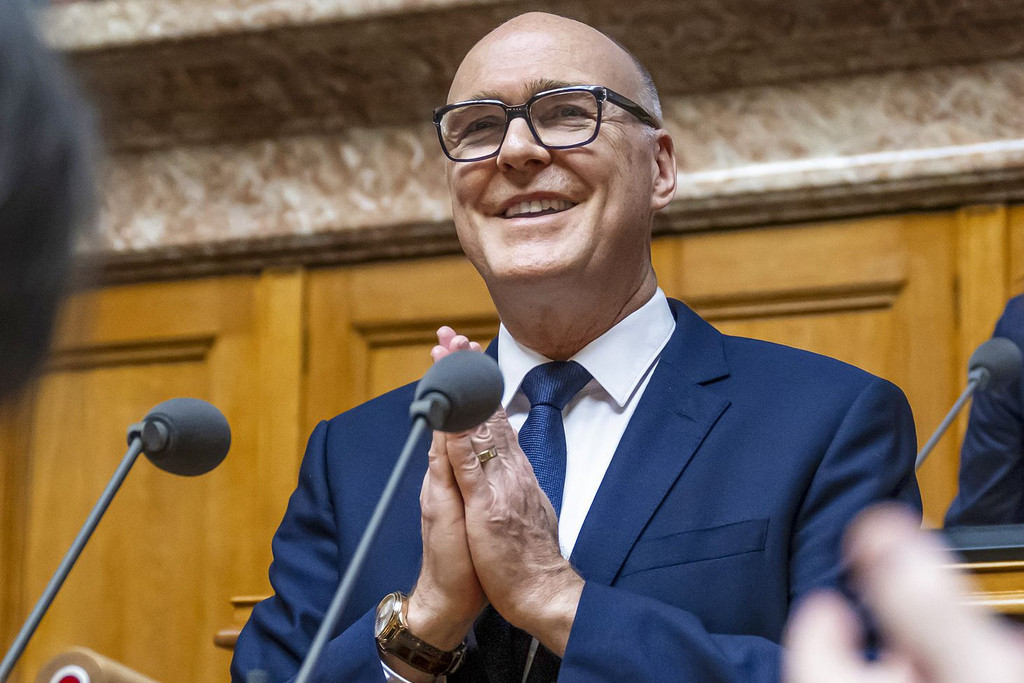
“Civilian service was never meant to be an option for all,” Centre Party National Councillor Martin Candinas stresses – rather, an exception for those who cannot perform military service on grounds of conscientious objection. “Personal preferences or convenience should not be the deciding factor.”
SVP politician Thomas Hurter believes that the flood of civilian service admissions is unconstitutional: “The way the system is now interpreted is that individuals are, essentially, free to choose between military and civilian service.” This could lead to an understaffed army and affect Switzerland’s ability to defend itself.
“Personal preferences or convenience should not be the deciding factor.”
Martin Candinas (Centre)
Preventing late switches
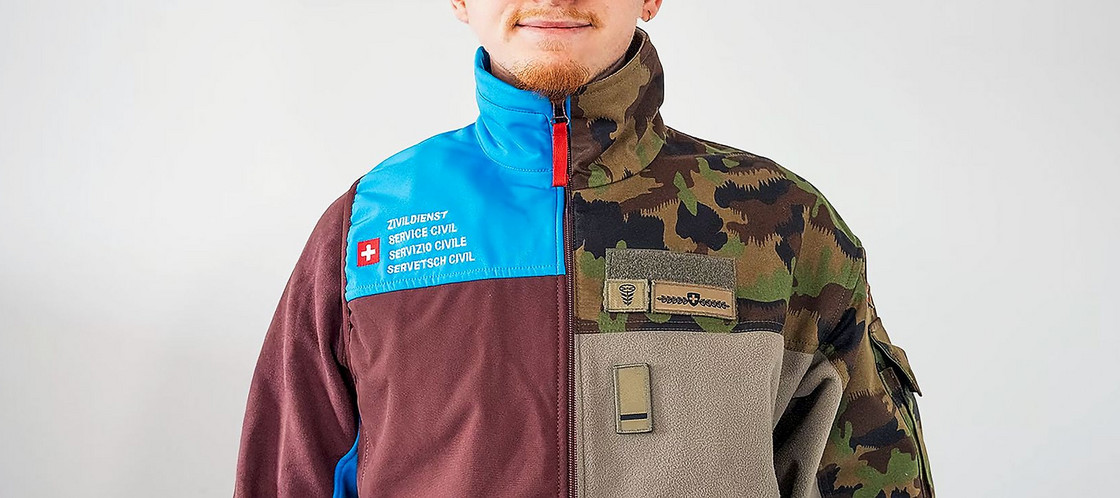
In particular, the plan is to make it less likely for soldiers to switch to civilian service at a later stage. This group accounted for about a third of all applications in 2023. In future, they would be required to do at least 150 days of civilian service. Trained officers who switch would likewise have to do a 1.5-times longer service stint. To retain medics in the army, there would be no more civilian assignments requiring medical, dental or veterinary studies.
Anyone who chooses not to complete their basic military training could in future have to start civilian service within the same year. Until now, individuals have been able to delay this for up to three years.
“The measures will not make the army automatically more attractive.”
Priska Seiler Graf (SP)
The measures are counterproductive, say critics
Those behind the referendum – an alliance consisting of the SP, the Greens, the EVP, and professional associations – criticise the way in which civilian service would become less appealing. “It will not make the army automatically more attractive either,” says SP National Councillor Priska Seiler Graf. A different approach is needed, because the measures are counterproductive: “At best, it will lead to more cases of medical discharge.” Young people who take this route will then be lost to both strands of the conscription system.
According to Green National Councillor Gerhard Andrey, civilian service is an important pillar of our society. Every year, thousands of young people perform their service in “areas where the shortage of skilled workers is now acute and will become even more noticeable in future”, he says. Tightening access to civilian service would lead to cuts in precisely these areas. “It would be detrimental to society and not benefit the army.”
The situation for Swiss Abroad
Swiss Abroad are exempt from conscription and military service in peacetime, but they can join the army voluntarily – which is what increasing numbers of them are doing. In 2025, 114 people were recruited directly from abroad – up from just 57 in 2021. Some of these volunteers could conceivably switch to civilian service during the draft or basic military training on grounds of conscientious objection. However, such cases are likely to be isolated. (ERU)






Comments