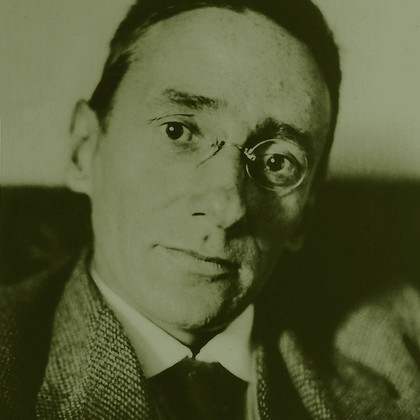
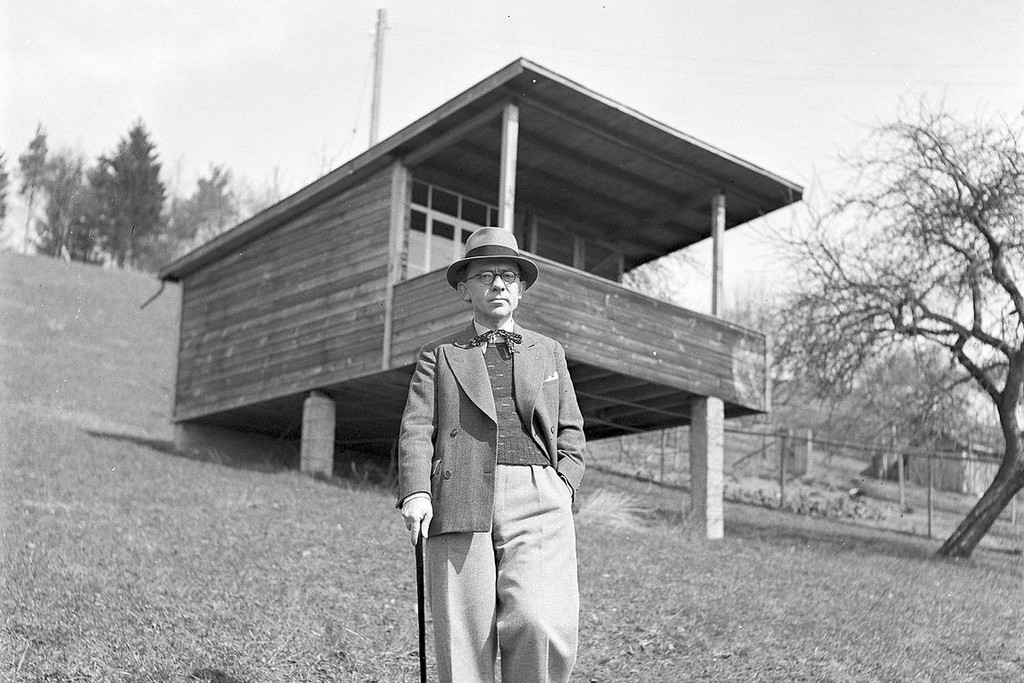
In 1922, the “Berner Tagblatt” returned Hans (also known as Hamo) Morgenthaler’s “Ich selbst. Gefühle” (Myself. Feelings) to Orell Füssli with the following note: “We cannot review the book. This is regrettable, but we really are unaccustomed to reading such worthless ramblings.” As with every work since his 1916 debut “Ihr Berge” (You Mountains), Morgenthaler – who was born on 4 June 1890 in Burgdorf, studied botany, zoology and geology at ETH Zurich, and had been incurably ill with tuberculosis after living in Siam from 1917 to 1920 – had once again used atmospheric sketches as a technique to marry scientific rigour with personal experience.
The passionate alpinist, for whom mountaineering was an addictive, hypnotic pastime, had declared his love of the mountains in “Ihr Berge”, whereas his other works focused on his time in Asia. “Matahari. Stimmungsbilder aus den malaysisch-siamesischen Tropen” (Matahari – sketches from the Malay-Siamese tropics) in 1921 reflected the experiences of a European weary of civilisation. It sought to overcome colonial prejudices and better understand the mentality of the native population.
“What good is it to me to have proved that I can produce something beautiful, write a lovely little sentence here and there? What use is it if I must suffer for it so much, mentally and physically, in our pristine Europe, must literally starve in more ways than one, and receive the devil’s thanks precisely when I try to give my best?”
Excerpt from “Woly, Sommer im Süden”, Zurich, 1924
Its more pessimistic sequel “Gadscha Puti. Ein Minenabenteuer” (Gajah Putih. A mining adventure) was rejected by Orell Füssli in 1926 and was not published until after Morgenthaler’s death. The same fate befell the autobiographical novel “In der Stadt. Die Beichte des Karl von Allmen” (In the city. The confession of Karl von Allmen), which plumbed the depths of Morgenthaler’s “literary misery” and only appeared posthumously decades later. “Ich selbst. Gefühle”, however, contained no “worthless ramblings”, but rather, as Kurt Marti noted in 1981, the cries of a human being who was “never concerned with literature” but always “with life, his life”. It is astonishing that, at the same time, Morgenthaler produced a work that was both sensual and erotic but also philosophical and critical of its era, even humorous.
“Woly” – a chaste, passionate love story
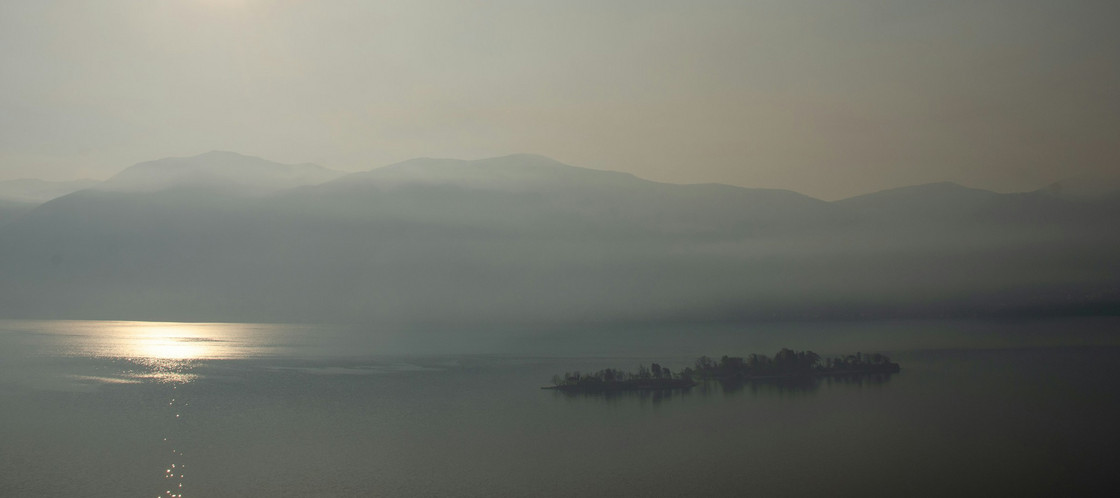
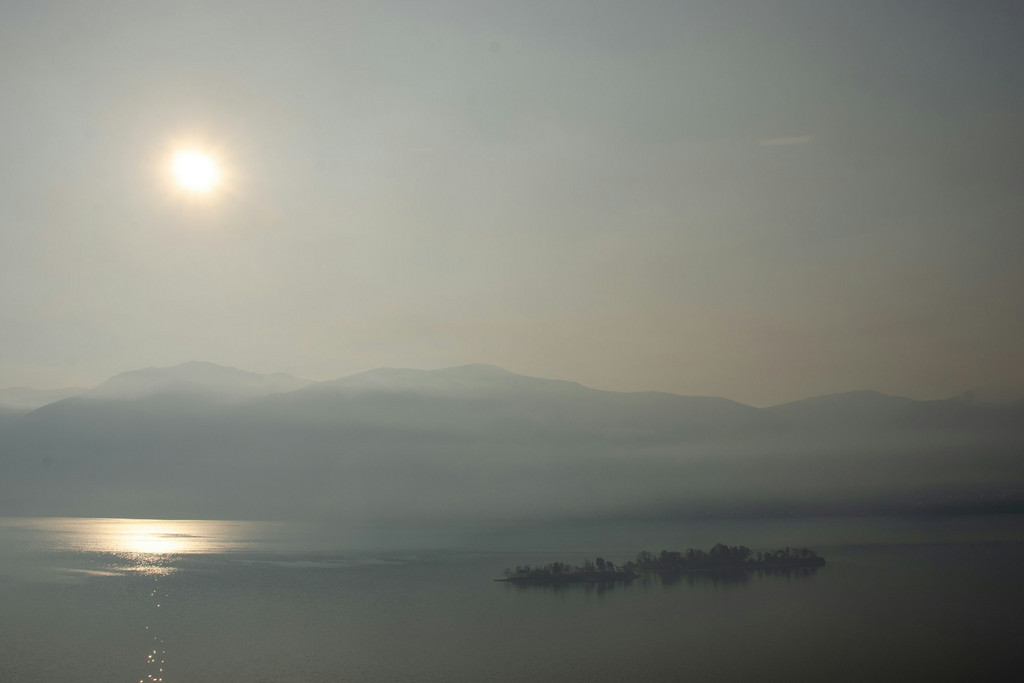
Set in Ascona, “Woly. Sommer im Süden” (Woly. Summer in the south) is a 1924 novel about the impossible love of the brooding, sensitive writer Hamo for the self-confident, emancipated Danish woman Woly. “Never before have I encountered the love story of a man so chaste, so passionate,” Emmy Ball-Hennings wrote to the publisher after reading the book. Ultimately, “Woly” is about the impossibility of a love yearned for by the male protagonist, and it seems miraculous that Morgenthaler was indeed gifted a fulfilling relationship after all. The author had already mentioned the physician Marguerite Schmid back in 1916 as his climbing companion for an ascent of the Weisshorn in “Ihr Berge”.
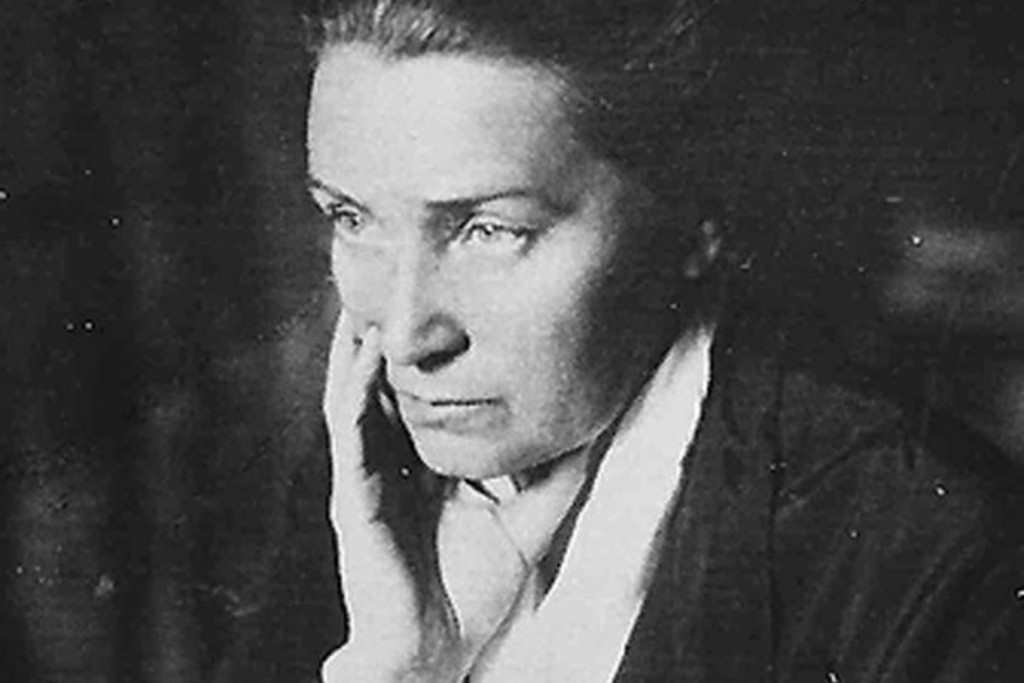
But now in 1926, as madness and depression increasingly terrorised him, Schmid took him under her wing. Yet the incurably ill Morgenthaler could no longer lead Schmid, who cared for him like a mother, up to the Weisshorn – besides, in 1920, he had cast his mountaineering equipment into a crevasse in anger at mass tourism! But with her, he finally found himself – and he died in her arms on 16 March 1928 at the age of 38 in Berne. His last poem was a prayer. It reads as follows:
“Dear God, / strike me down. /
Take me from this desolate life. /
Then I’ll give you a little kiss.”
Charles Linsmayer is a literary scholar and journalist based in Zurich





Comments