Exhibition | Remembering Blatten – remnants of a buried village
02.10.2026 – Susanne Wenger
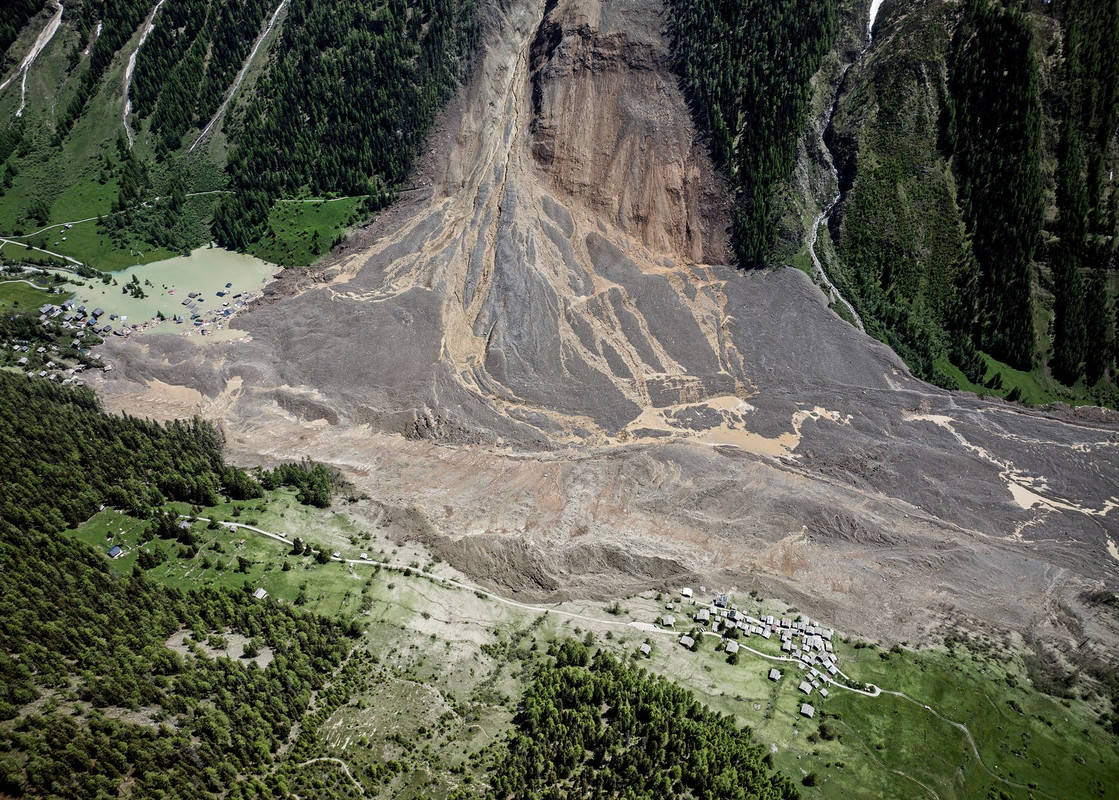
On 28 May 2025, 10 million cubic metres of rock and ice plummeted into the Lötschental valley in the canton of Valais, burying the village of Blatten, which had already been evacuated. Pictures of the landslide captured global attention. The “Memories of Blatten” exhibition, which opened this summer at the Lötschental Museum in Kippel, further down the valley, dispenses with these images. “We chose not to rehash the disaster,” says the museum’s co-director Rita Kalbermatten. Instead, the exhibition remembers what was lost. The landslide – and water from the River Lonza that it blocked – consumed 130 houses along with personal objects, cultural artefacts, and the village church.
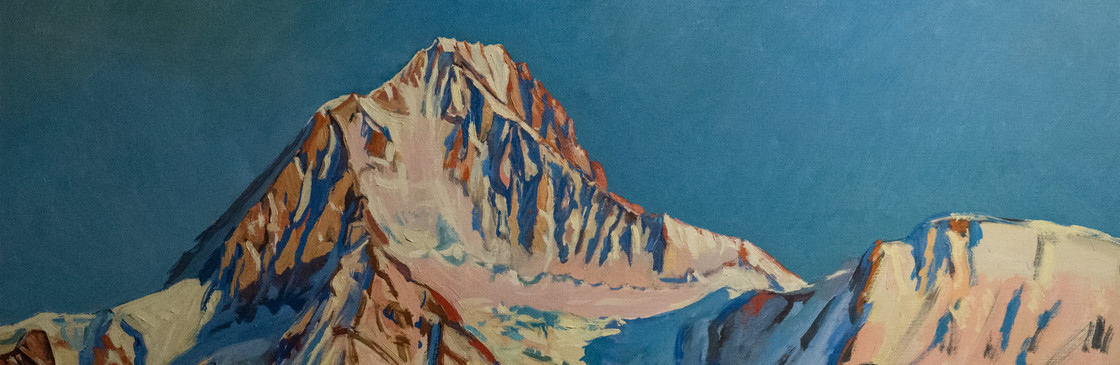
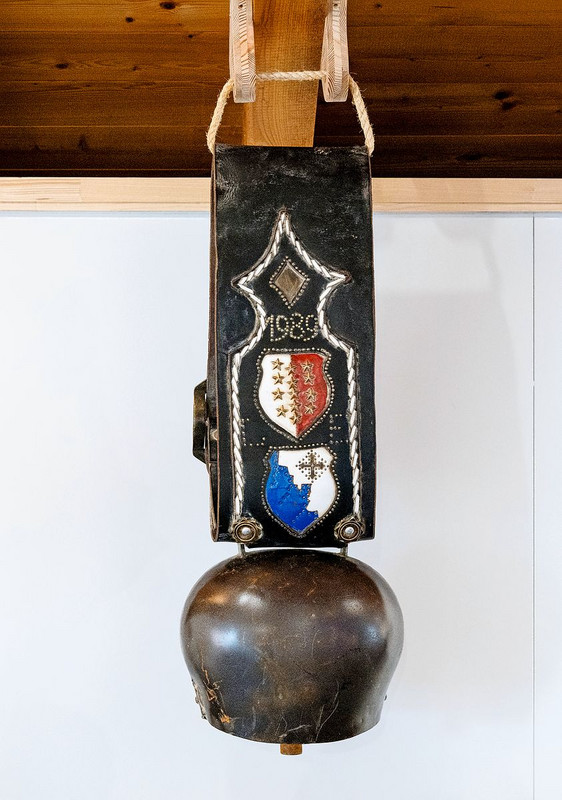
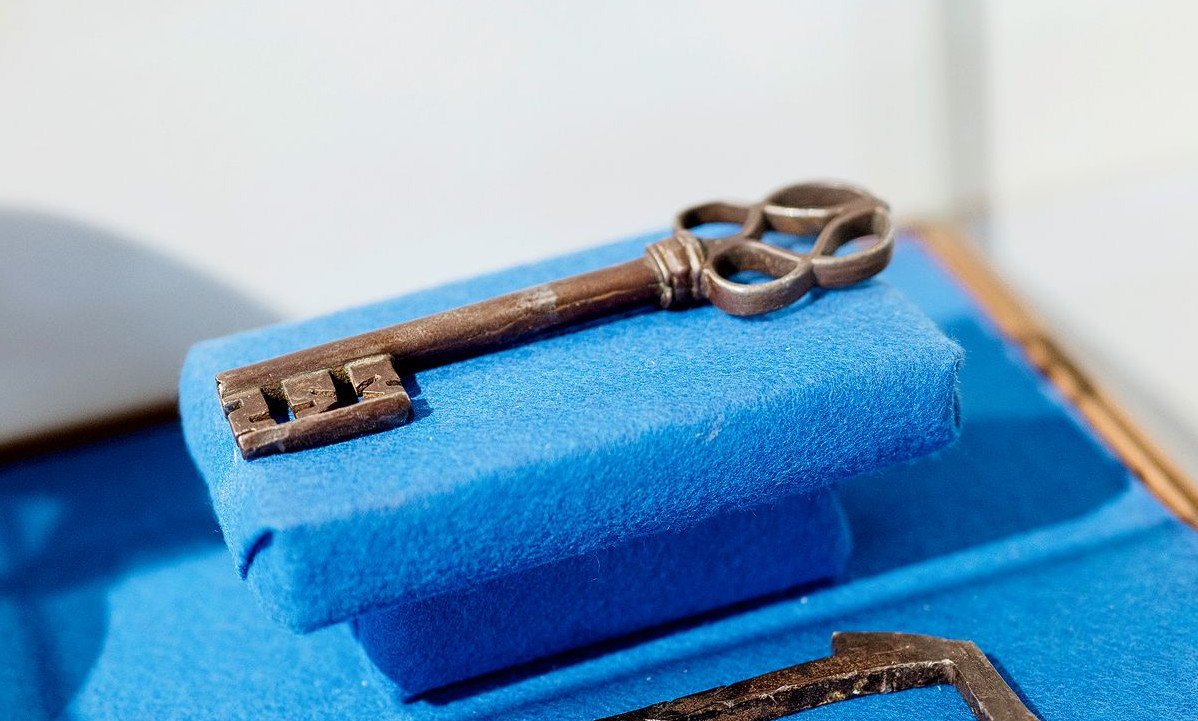
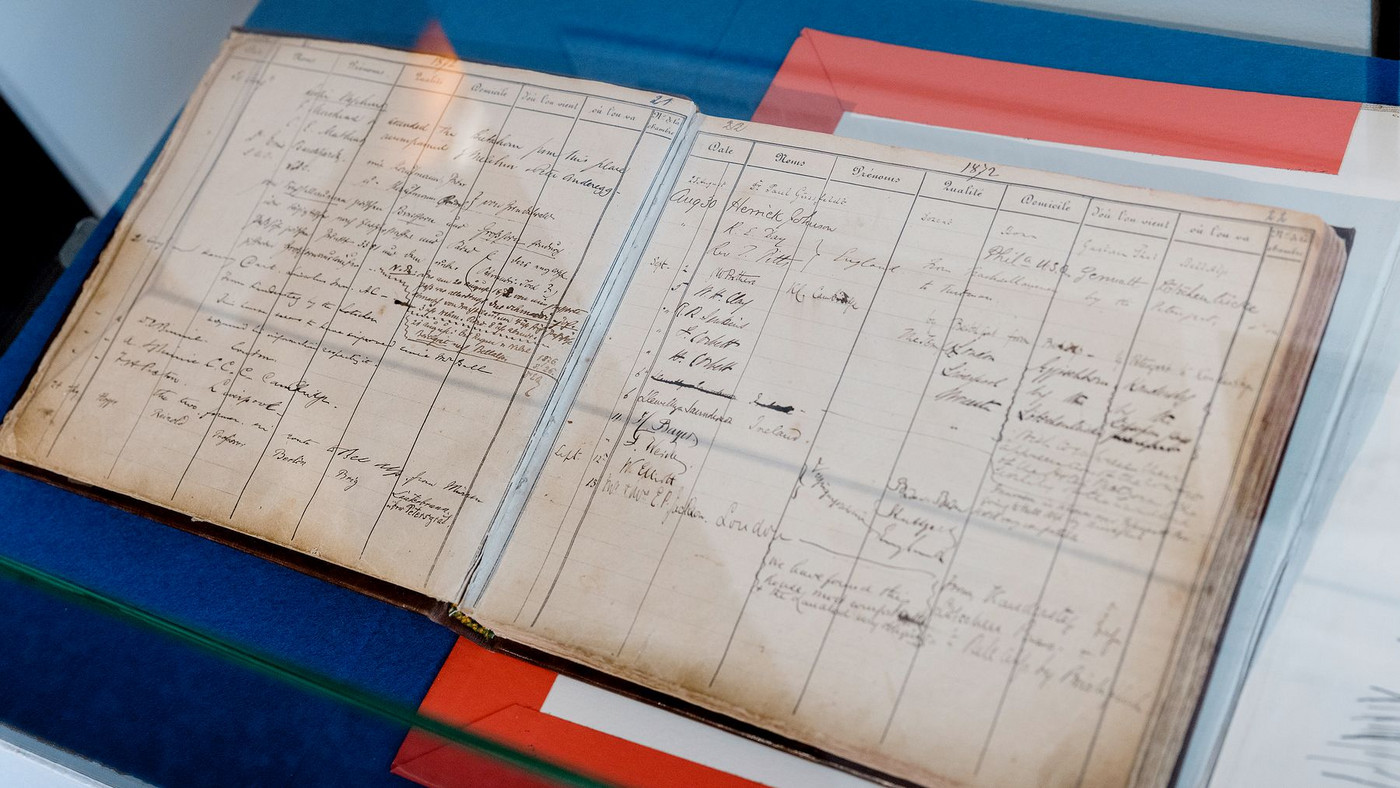
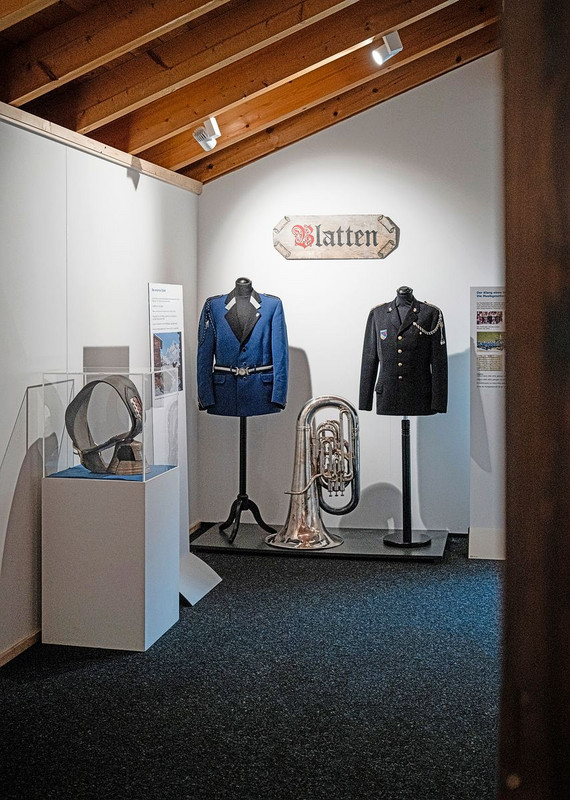
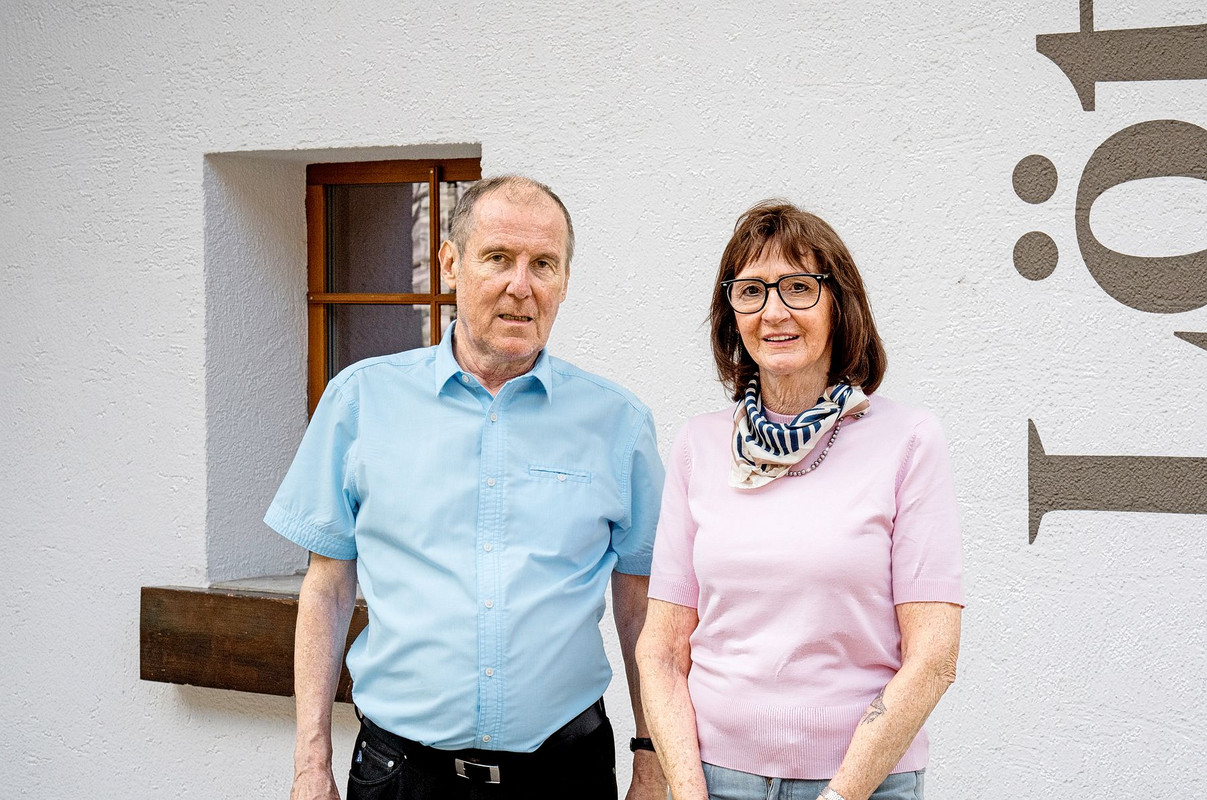
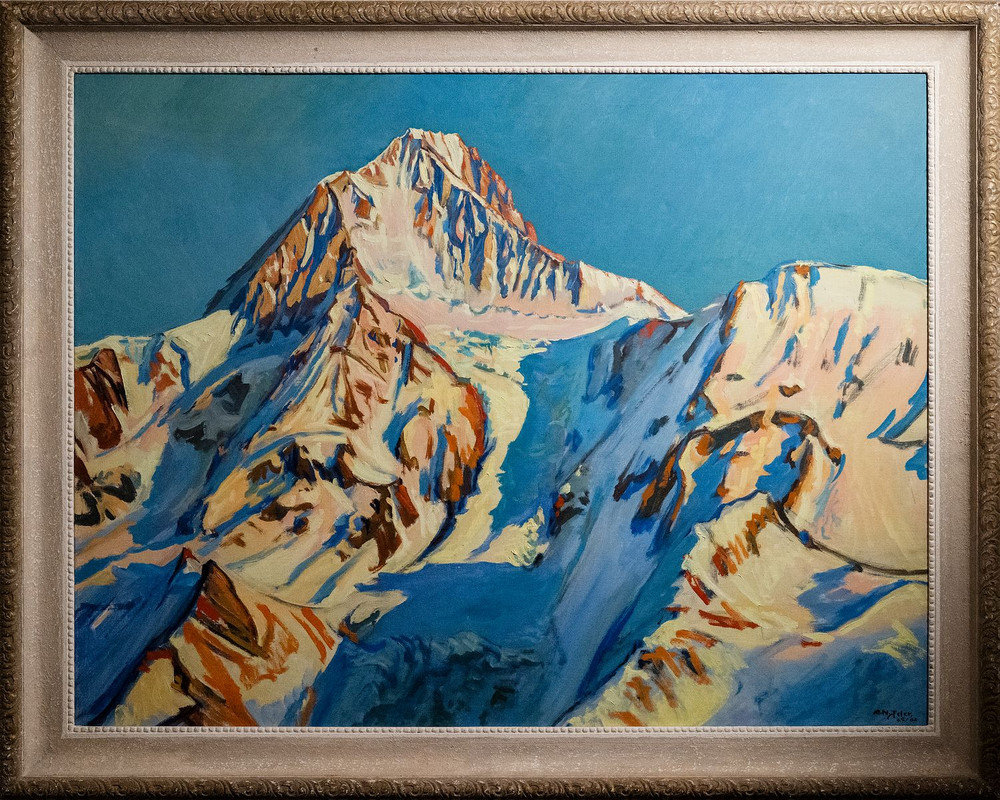
Memories remain. They are the focal point of this carefully curated, understated exhibition, which features pieces that were rescued from the mud and rubble: a wedding dress, a cowbell, grandma’s hand-woven blanket. Inhabitants of Blatten contributed them voluntarily and later helped set up the exhibition, Kalbermatten explains. Some of these people appear on camera, explaining what the items mean to them. The exhibition includes organ music from the destroyed church as well as paintings and photos from the museum archive. They are the remnants of a buried village, yet they also point to the future – because plans are underway to rebuild Blatten by 2030. Kalbermatten is a Blatten resident herself. “Blatten will remain a part of us, forever and always,” she says.
The “Memories of Blatten” exhibition runs at the Lötschental Museum in Kippel until the end of March 2027.
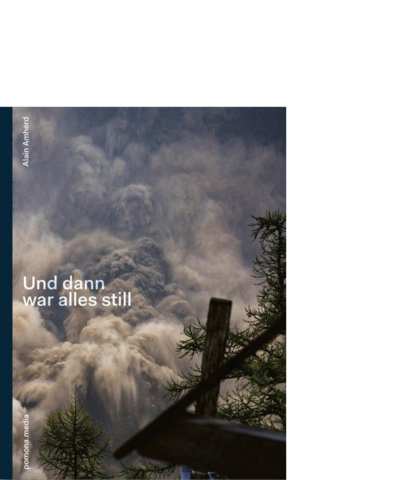
Und dann war alles still. Hardcover, 132 pages, ISBN 978-3-033-12192-8, CHF 50.00
Blatten – a photo essay
Valais photographer Alain Amherd, who produced the photos for this double-page article, recently published a photo book on the Blatten landslide. Amherd followed events in Blatten closely. The book, entitled “Und dann war alles still” (And then everything was still), presents a stunning pictorial synopsis of the disaster and its physical and human impact.





Comments