Menu
stage img
  • Sounds

The Young Gods: 40 years of experimental Swiss rock

03.10.2025 – Stéphane Herzog
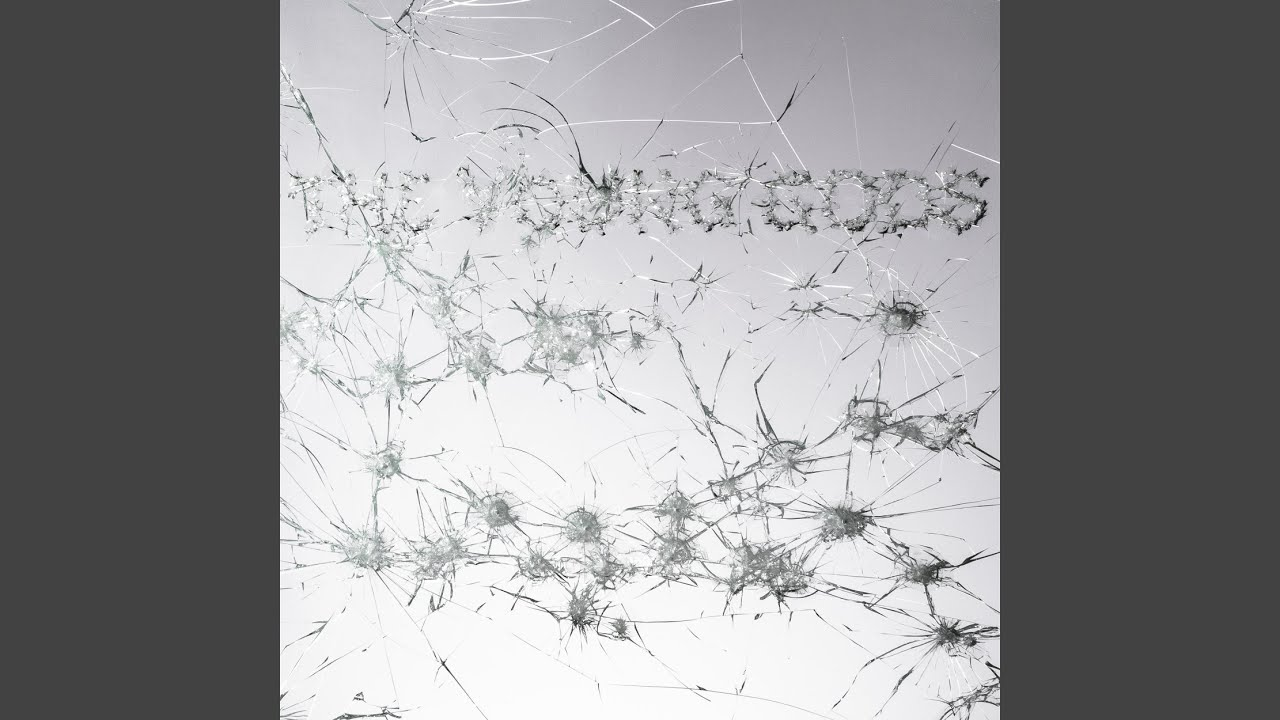
THE YOUNG GODS: Appear Disappear» Two Gentlemen records, Lausanne, 2025

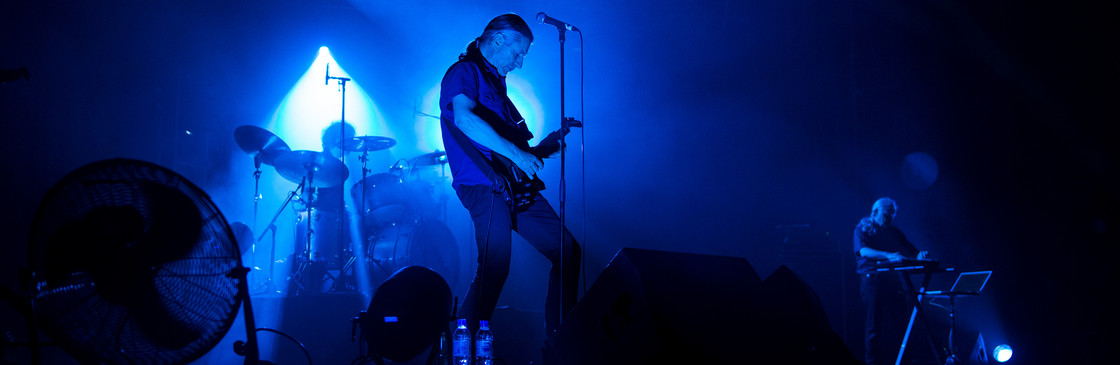
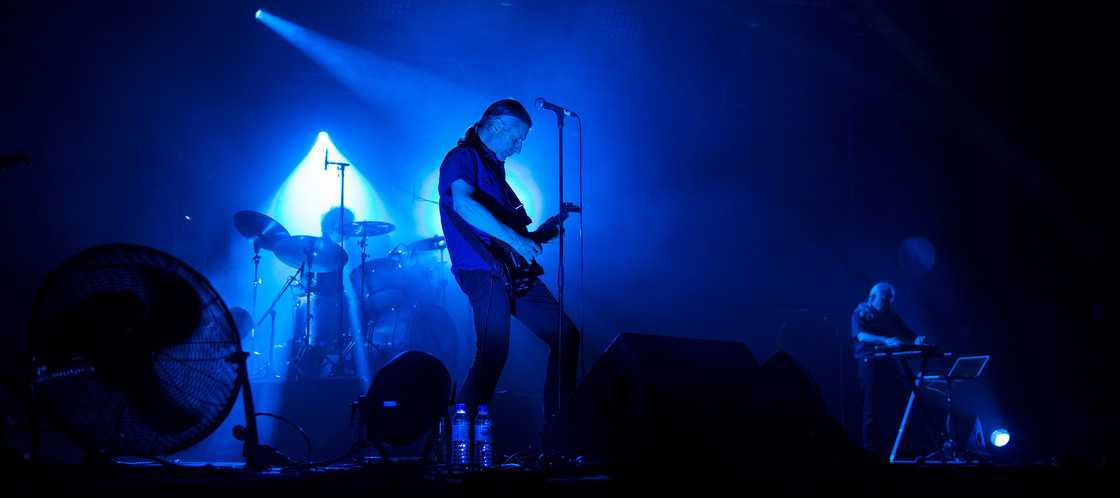
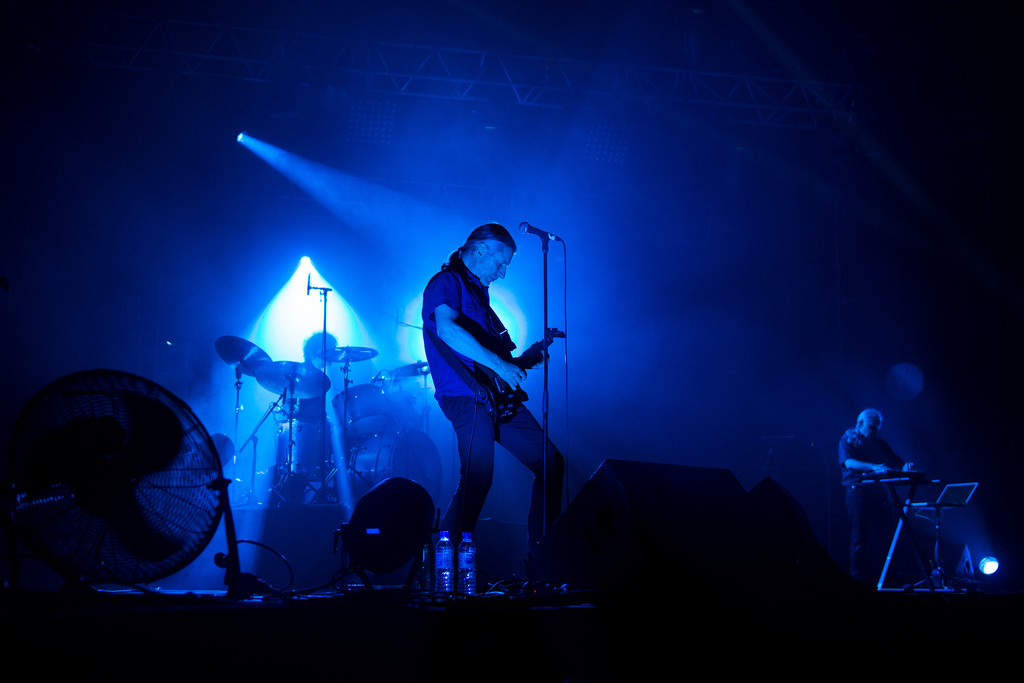
The band, founded in 1985, has just released its thirteenth album. “Appear Disappear” captivates with its raw, harse sound and calls for rebellion. For any rock fans listening to the latest opus from the Swiss band, the fury of the record might bring to mind U2. Those in the know, however, will be aware that it was the Swiss who influenced the Irish! Co-founded in Geneva by Fribourg native Franz Treichler, the “Gods” have influenced a fair number of bands, including the Irish stars mentioned above, as well as David Bowie and the German band Rammstein.

The Young Gods’ music is based on guitar-free rock that makes inventive use of the sampler, a tool that lets you record sound from any source and then do what you like with it. Rappers were among the first to use this tool, followed by electronic music artists. “Appear Disappear”, released in June, is styled as a rock opus, this time featuring guitars. Some tracks in the Young Gods’ catalogue are for hardcore fans only. This album, however, is more accessible. The Young Gods wanted to create a raw album, and they did! This album is fuelled by the tensions of the world. “Appear Disappear”, the first track, is an onslaught of drums shredded by oversaturated guitars. This short song is followed by “Systemized”, where Franz Treichler sings, “I’m not the enemy,” in his own idiosyncratic brand of English.

image.alt
image.alt
image.alt

You have to listen to “Appear Disappear” a few times to get a handle on it. Is it a dark album? The lyrics of “Shine That Drone” champion resistance. “The song’s about a crowd that starts dancing and stamping on the ground to kick up a cloud of dust, which then interferes with the drones,” the singer explained to music journalist Daniel Koch. “Appear Disappear” is thus more a call to arms than a painting of the apocalypse. Anyone new to the “Gods” can absolutely start with this album before working their way through the band’s back catalogue. Doing things this way will doubtless find favour with Franz Treichler (guitar, vocals), Cesare Pizzi (sampling, electronic instruments) and Bernard Trontin (drums), who consider sound an infinitely malleable substance. So where does Switzerland come into all this? Culture vultures will spot that one line from the album – “I spend my time in the brain of the monster” – is a quotation. When he visited Switzerland in 1964, Che Guevara used the expression to refer to wealthy Helvetia, a peaceful land filled with banks and not always above suspicion, according to his friend Jean Ziegler.

Comments

×

First name, surname and place/country of residence is required

Enter valid name

Valid email is required!

valid email address required

Comment is required!

Comment rules have to be accepted.

Please accept

* These fields are required.

top