- SwissCommunity
- CSA Elections
The newly elected Council of the Swiss Abroad: rejuvenated, representative – and self-assured
03.10.2025 – Marc Lettau
The Federal Palace in Berne belonged to the new Council of the Swiss Abroad for two full days in August. And the Council, which, in a way, is the “Parliament of the Fifth Switzerland”, made its first decisions and debated its role.
At the heart of Switzerland’s historical and political centre: the Council of the Swiss Abroad (CSA) was granted a very exclusive venue at which to begin its new term: the Federal Palace. This emphasises the role that the “Parliament of the Fifth Switzerland” intends to adopt. The CSA views itself as a committee, which records and formulates the wishes and requirements of the Swiss Abroad to bring them to the closer attention of the political decision-makers in Berne.
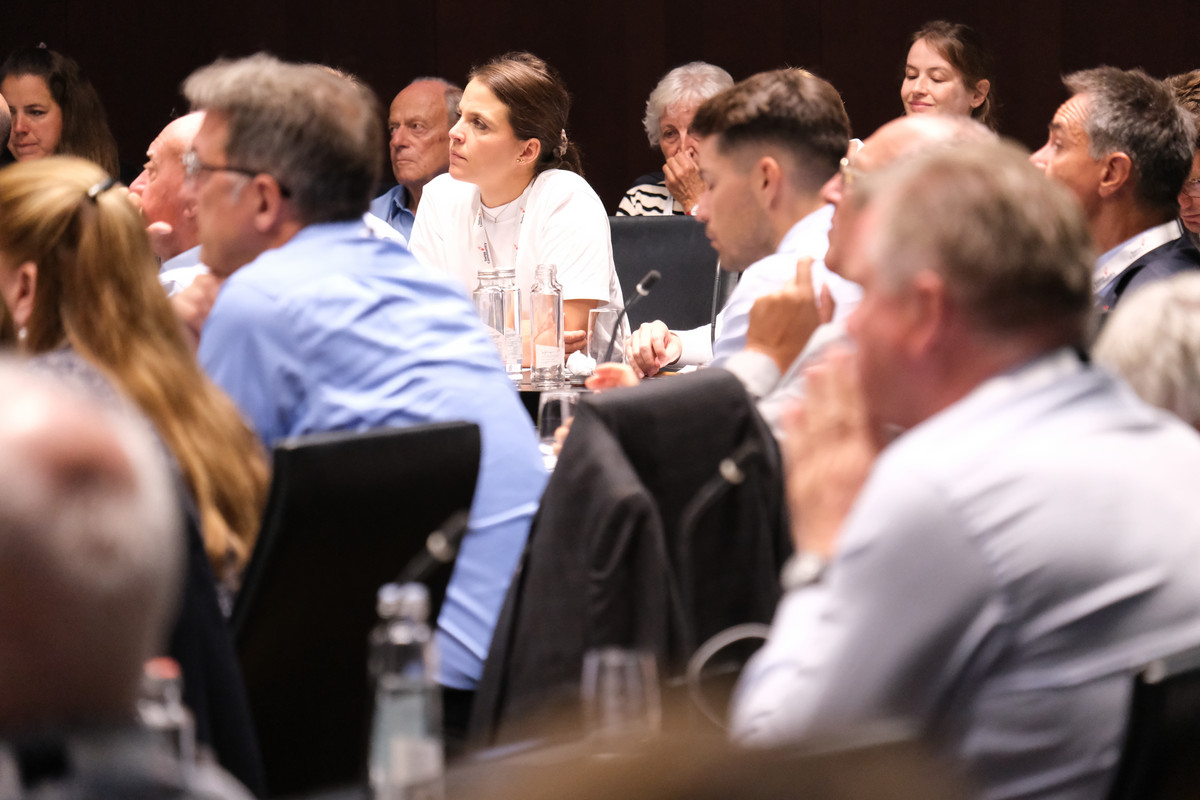
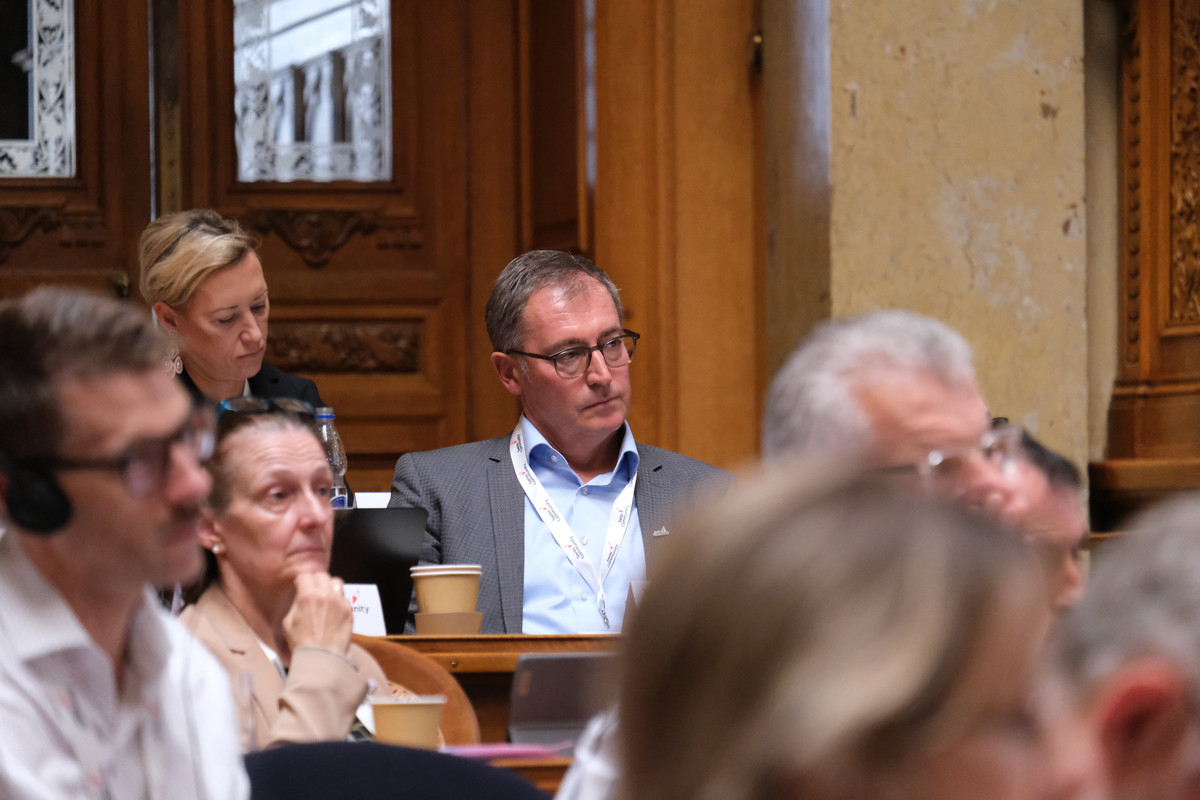
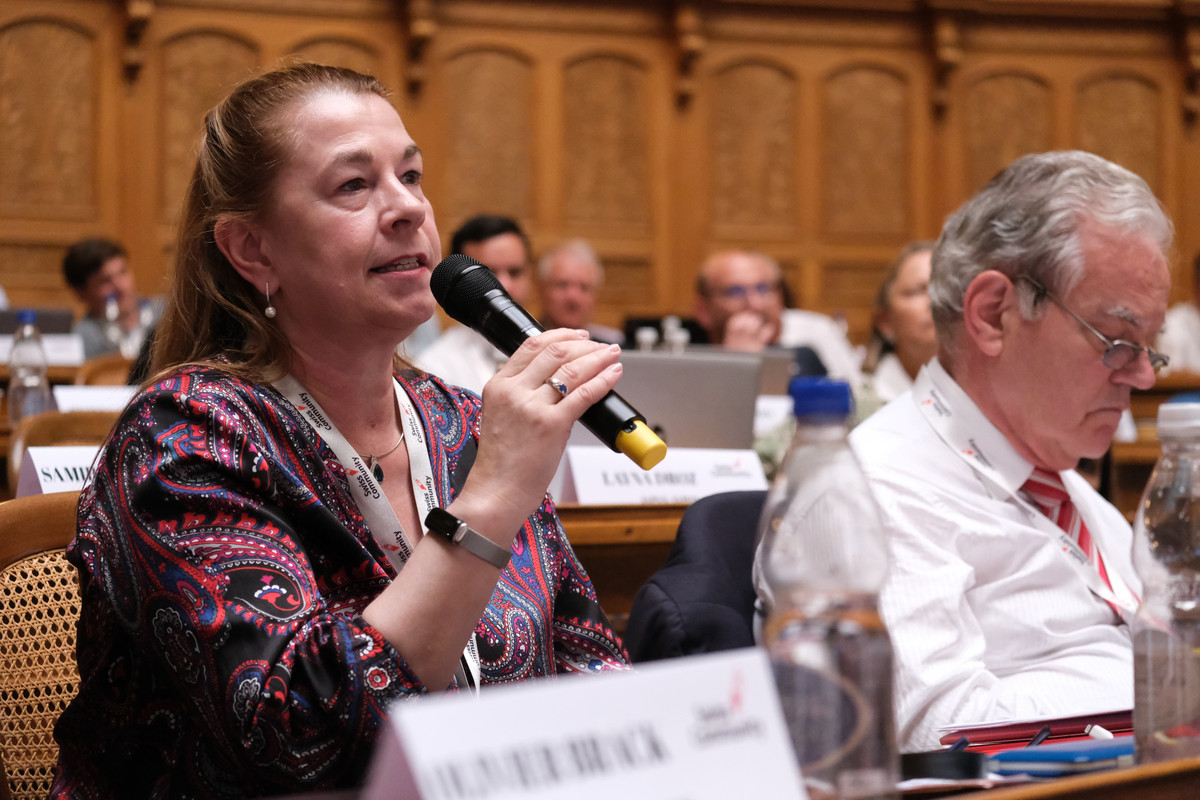
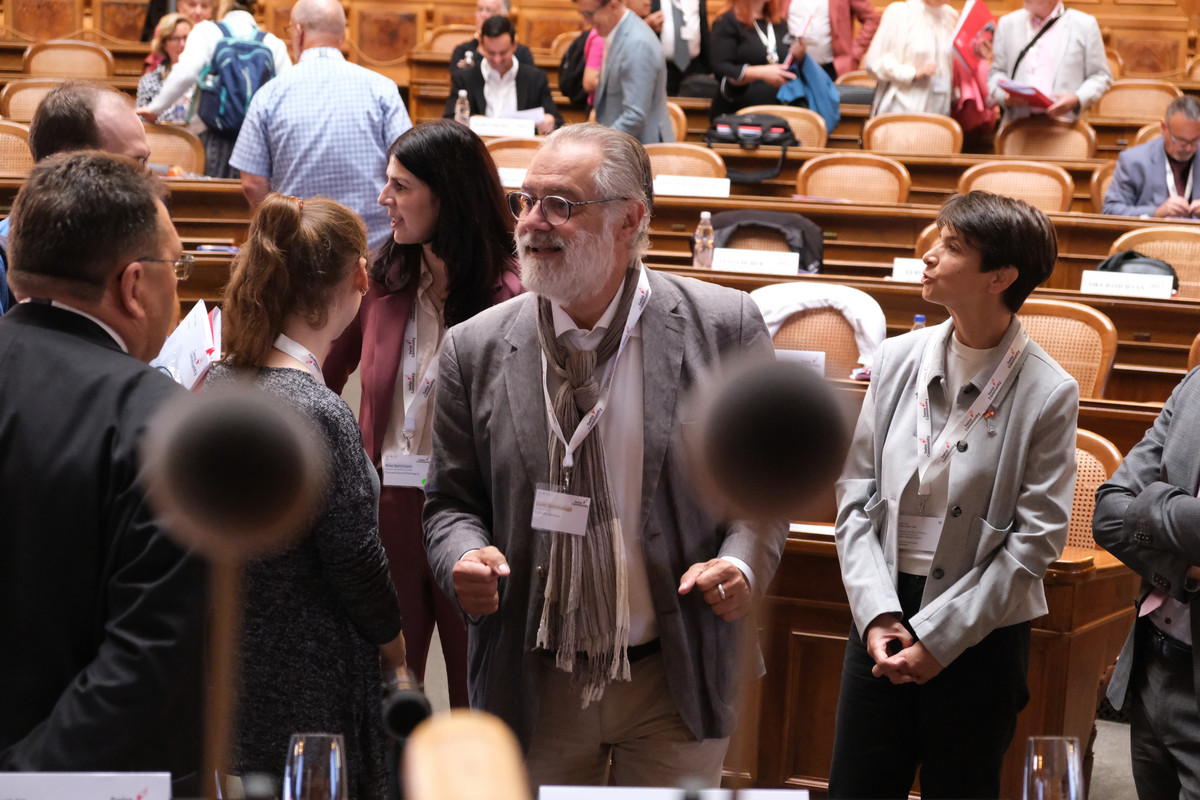
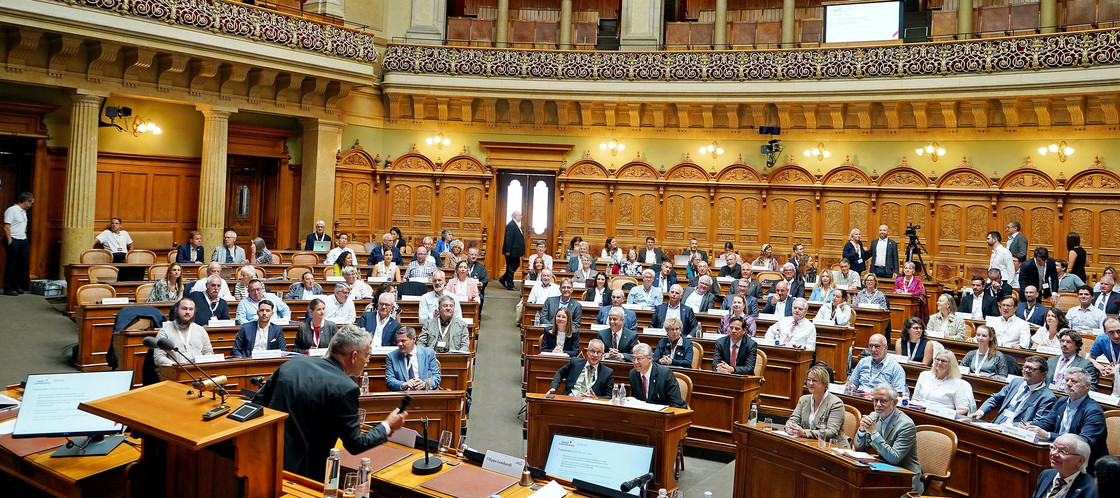
Workshops: an insight into the debates and workshops on 22 August. Photos: Marc Lettau
The CSA met for two days under the banner of “SwissCommunity Days”. On 22 August 2025, former and current Council members and a large number of other interested parties attended workshops in search of answers as to how the CSA can do as good a job as possible and how it can effectively ensure its issues are addressed by national politics. Involving both previous and newly elected members of the Council enabled the necessary knowledge transfer.
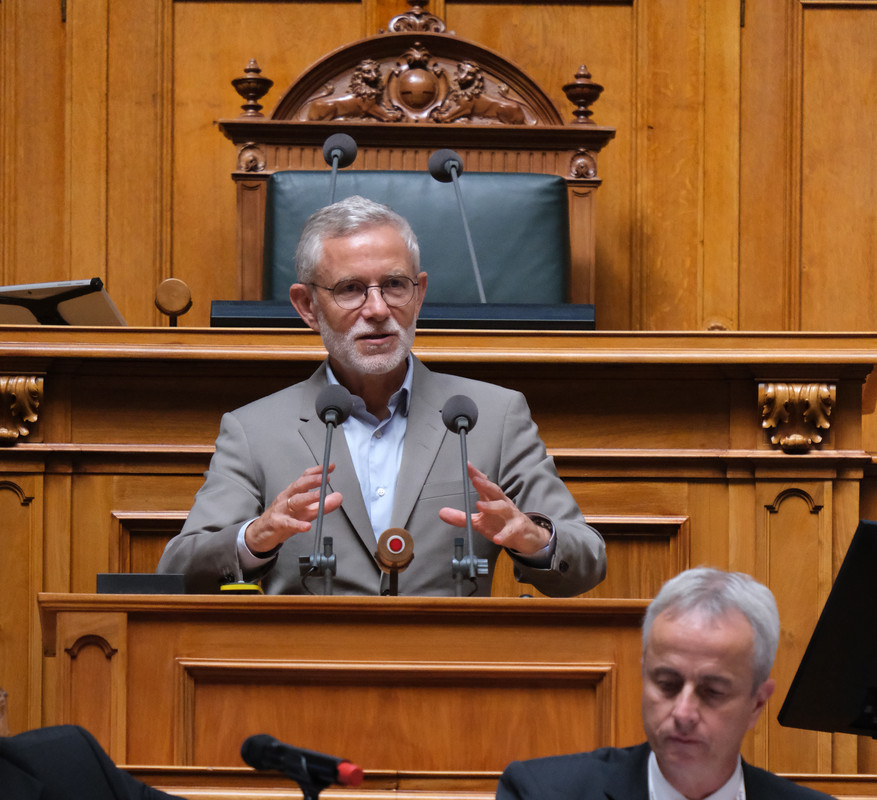
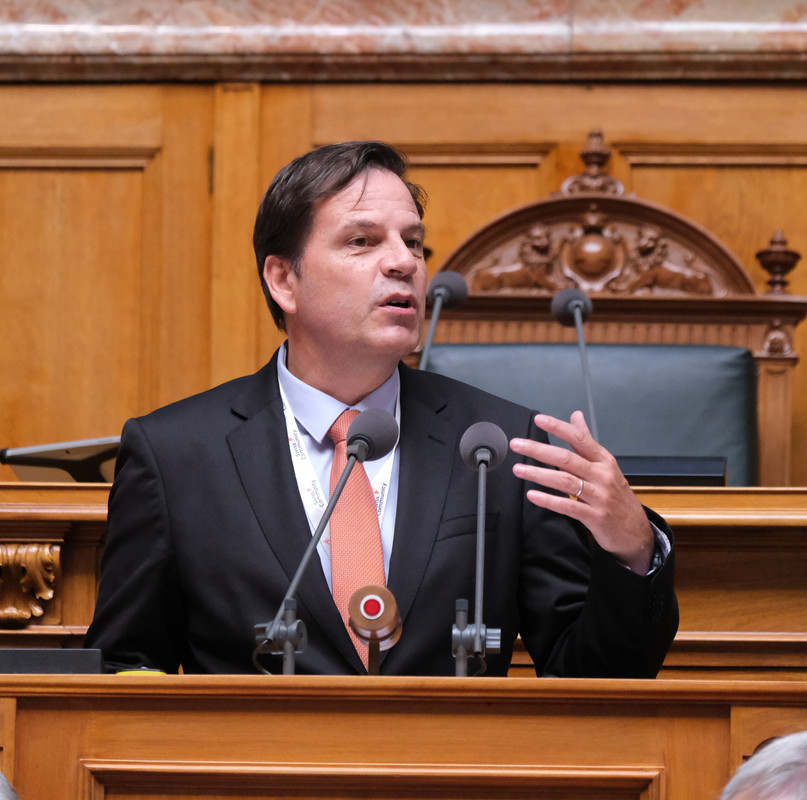
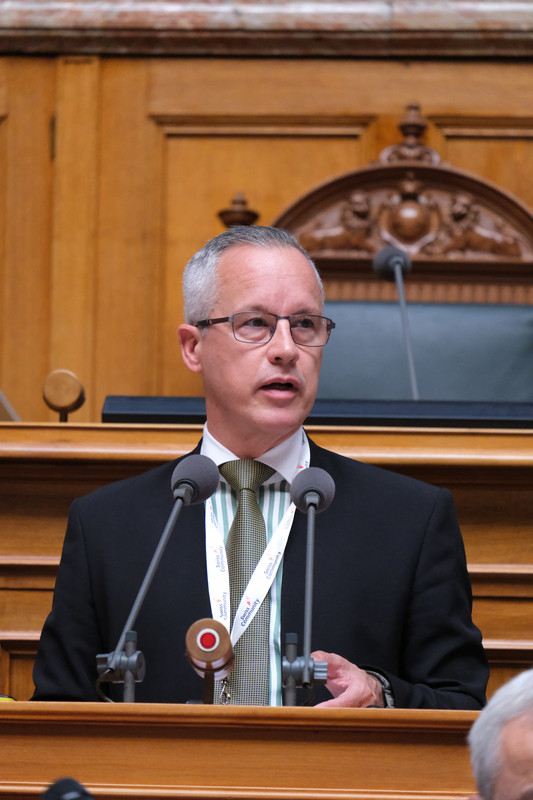
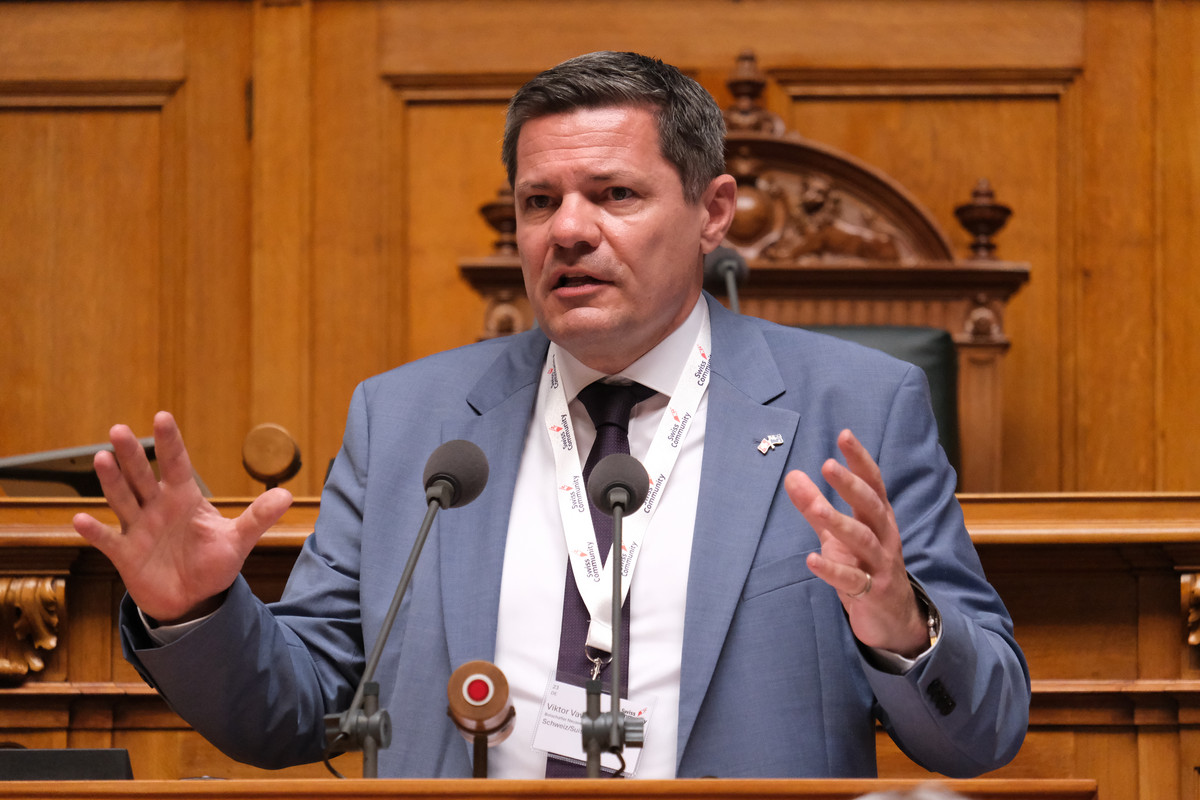
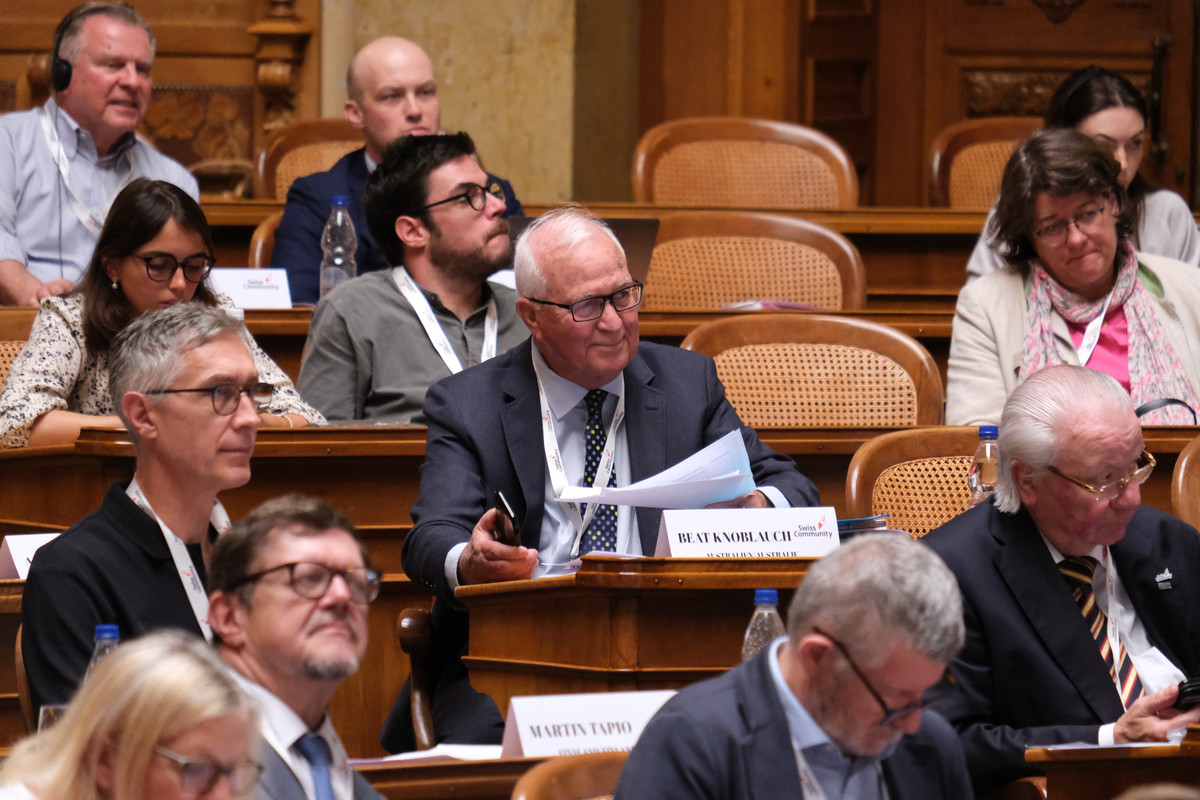
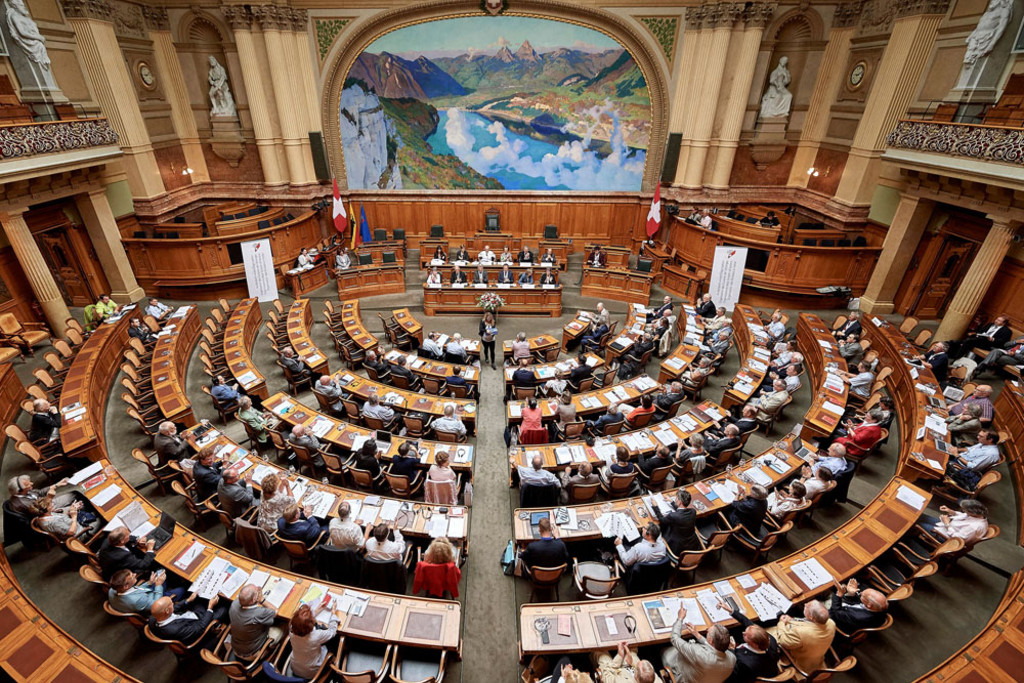
High-calibre speakers at the inaugural meeting of the Council of the Swiss Abroad on 23 August. Photos: Marc Lettau
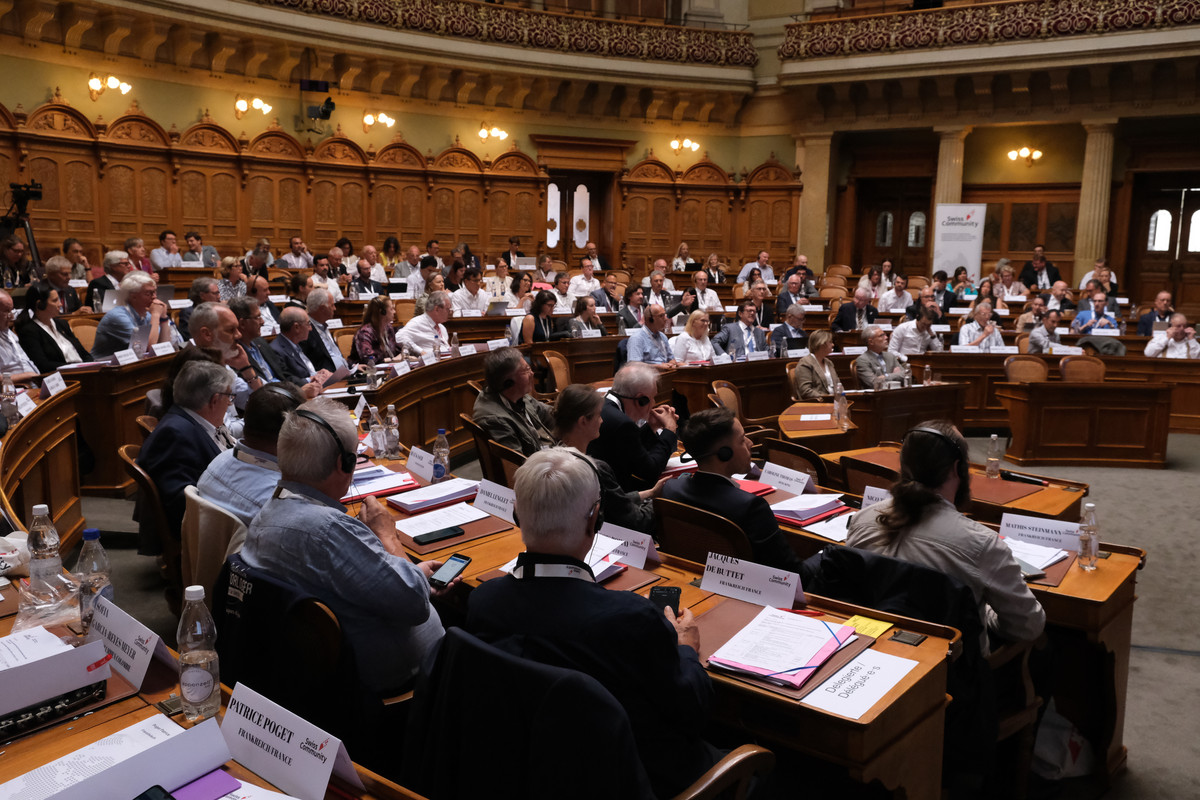
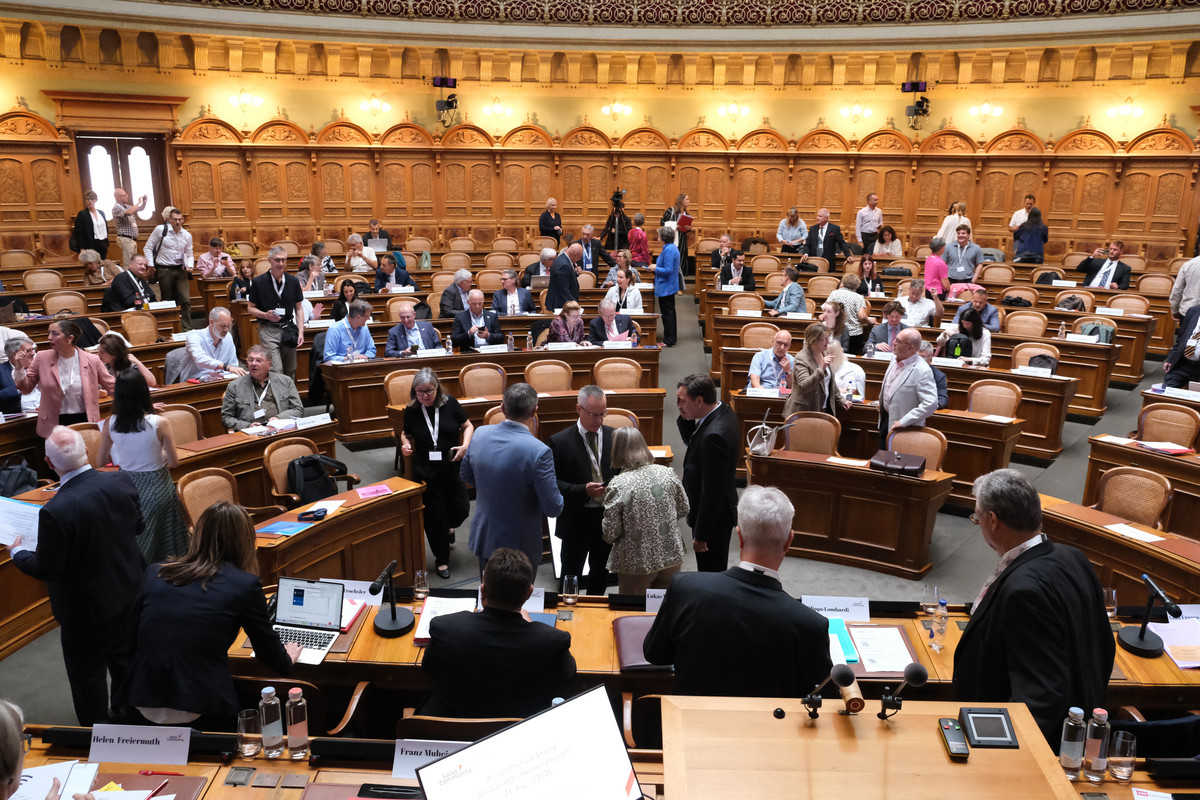
During its inaugural meeting on 23 August 2025, the new Council made its first decisions – in the chamber of the National Council, no less. It decided by 83 votes to three in favour of introducing a state-controlled e-ID system. The CSA views this electronic proof of identity as important to make it easier for Swiss people living abroad to contact Swiss authorities. Over the long term, the e-ID would also facilitate e-voting, since the procedure is compatible with e-IDs. The current e-voting process being trialled in certain cantons still relies to a large extent on the postal system: access data is still sent out by post and, depending on the area, can arrive late or even too late. Whether the CSA managed to make its position on e-IDs heard was revealed during the voting weekend on 28 September, long after this edition of the “Review” went to press.
A prestigious meeting location: highlights from the National Council chamber during the inaugural meeting of the Council of the Swiss Abroad on 23 August. Photos: Marc Lettau, Lise Guyaz, Clément de Vaulchier
The beginning of the CSA’s latest term also marks the conclusion of an important reform. As part of a pilot scheme, all Swiss Abroad were able to vote for their delegates in 13 constituencies directly – and electronically. This meant their election was broadly supported. Accordingly, the Council as a whole is now more representative than before. For the first time, 47 of the 120 delegates were elected directly, and the effect was obvious. There are plenty of new faces, many of the new delegates are visibly younger, and the Council is already experiencing a culture shift: as part of its search for its role, the new CSA is also challenging the OSA Executive Board by bringing some thoroughly critical issues to the vote. The renewed Council is certainly not lacking in vitality.
Direct elections nationwide in four years
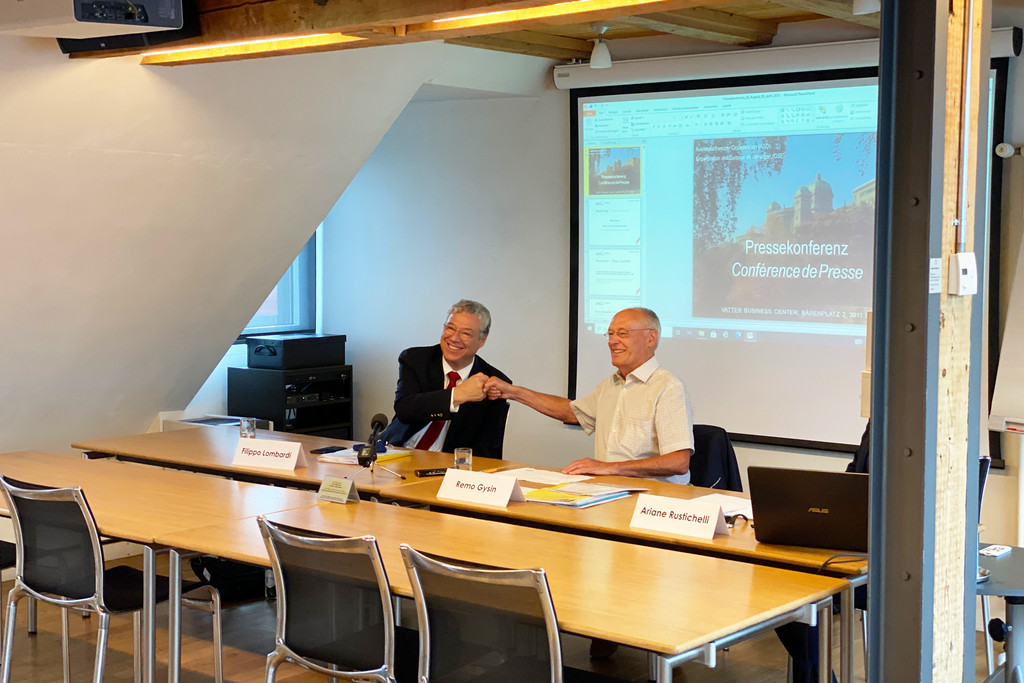
The renewal process is set to continue for the 2029 elections, promised OSA President Filippo Lombardi. If he gets his way, “well over 90 per cent” of all delegates will be directly elected in four years’ time. The first steps to making this happen have already been taken. According to CSA delegate Noel Frei, who played an absolutely key role in the working group devoted to direct voting, Berne University of Applied Sciences has already secured technical support and the FDFA has organised administrative support for direct elections across the board in 2029. Frei’s verdict on the recent elections: in terms of transparency and participation, they were “a great success”. The information provided by the FDFA was apparently crucial to the outcome: “It provided the key to a successful election.”










Comments