


Swiss housing shortage fuels Airbnb debate
Tourism
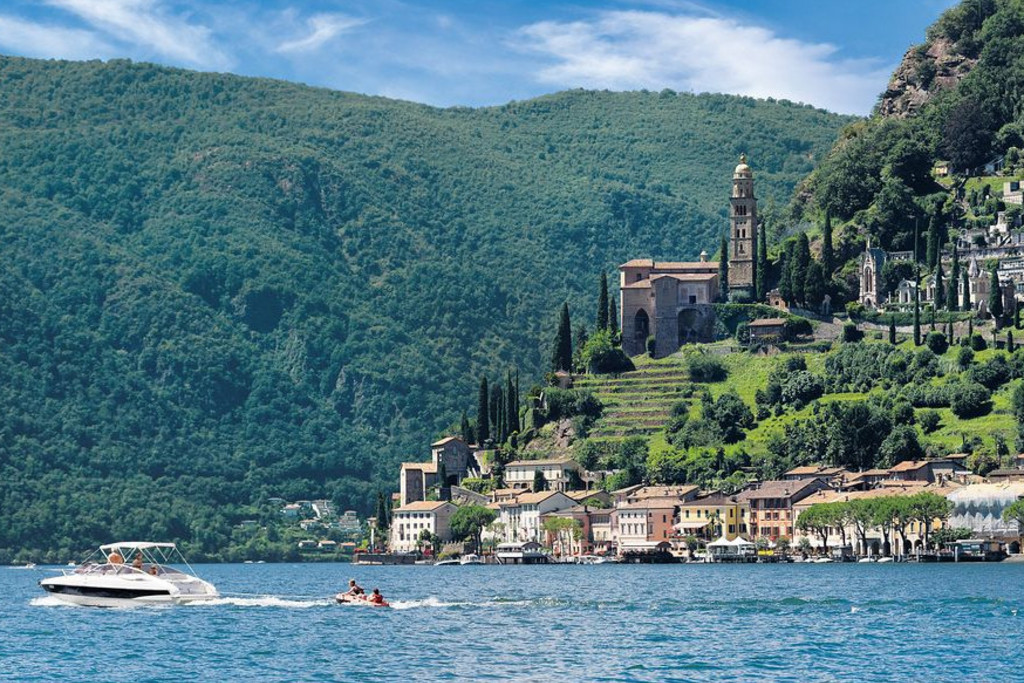
The picture-postcard village
Tourism
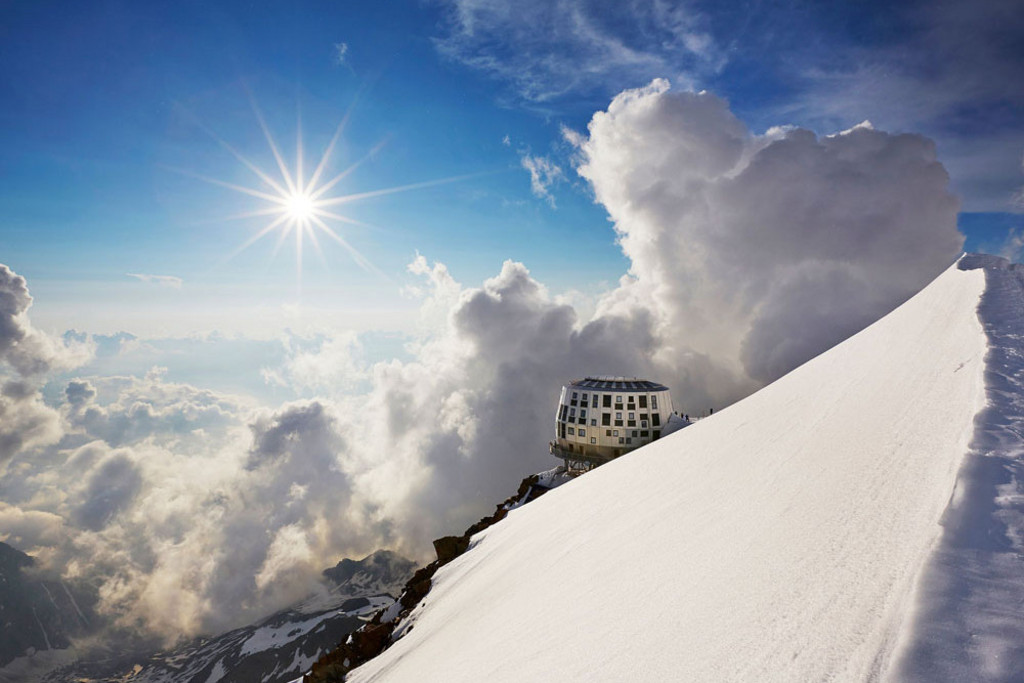
Mont Blanc – a Swiss mountain in the imagination
Tourism

Affordable rents are scarce in Switzerland, with online booking platforms like Airbnb depriving tenants of suitable properties. Municipalities have now begun to fight back.
While banner-wielding protesters march through Barcelona, shouting for tourists to “go home”, residents in Swiss towns and cities are using the channels of direct democracy to vent their spleen. In 2023, voters in Lucerne approved an initiative called “Protect living space – regulate Airbnb”. Five municipalities in the Jungfrau region have now followed suit. According to Hanspeter Berger, the SP Bödeli-Jungfrau co-chair whose regional party branch is taking the fight to Airbnb, petitions supporting similar initiatives in Unterseen, Interlaken, Matten, Wilderswil and Bönigen were able to garner the necessary number of signatures in no time at all. “Airbnb is a big concern for everyone,” says Jürg Müller-Muralt from Unterseen, who helped to coordinate the initiatives. Residents packed out the local community hall to vote on the matter. Müller-Muralt had never seen anything like it, he says.
People are concerned for good reason. The Federal Office for Housing (FOH) refers to a “worrying” trend in its latest report. In many Swiss regions, there are fewer and fewer properties available for long-term rent. Is Airbnb the culprit? The short-term rental platform is at least one of the factors making the situation more acute. “The Airbnb business model has unethical consequences,” says Hanspeter Berger. “Property owners can earn up to four times more on short-stay than on long-stay rentals. It squeezes local people out of the housing market and pushes up the cost of rent.” What Berger finds particularly galling is that you can make a quick buck from tourists via Airbnb while people working in the tourism industry often take home modest pay and cannot afford to live near their place of work. What is the answer to this problem? The five popular initiatives in Unterseen, Interlaken, Matten, Wilderswil and Bönigen aim to make Airbnb less attractive by preventing people from letting out their property on a short-term basis for more than 90 days per calendar year. The idea is that by limiting a property’s short-term listings to 90 days a year, a conventional long-term rental will again become financially more attractive to the owner.
The 90-day rule is nothing new. There are cities in Switzerland and across Europe that already enforce it. The canton of Geneva introduced the rule back in 2018, while the canton of Vaud adopted something similar in 2022. And since the beginning of 2025, the city of Lucerne has applied it as a means of implementing the initiative mentioned above. David Roth, who masterminded the Lucerne initiative, is looking forward to the situation easing. He is convinced that hundreds of properties will revert from second homes to primary residences in the months and years ahead.

With expensive rents also charged for poor-quality homes that have been renovated on the fly and fitted out with bunk beds, even Urs Kessler – an avowed opponent of regulation – approves of the measure. The status quo would otherwise be detrimental to Switzerland’s image as a tourist destination, the former Jungfrau Railways CEO remarked in an interview.
Of course, not everyone thinks this way. There are plenty of people who believe that the 90-day rule threatens the guarantee of property rights. The measure has also alarmed owners of holiday chalets. However, the five municipal initiatives in the Jungfrau region make a specific exception for such properties. “If holiday chalets and apartments are owner-occupied, up to five beds may be rented out without restriction,” explains Hanspeter Berger. The Bernese Oberland has made a tradition out of these types of accommodation, which no one complains about. Thomas Egger, who heads the Swiss Centre for Mountain Regions (SAB) thinks that Airbnb is very welcome in Alpine villages where the priority is to turn ‘cold beds’ in second homes into ‘warm beds’. But it becomes a problem when primary dwellings are taken off the market for the long term.
Housing shortages in the Alps are, according to Egger, a direct consequence of the Covid pandemic and, therefore, a relatively new phenomenon. “Since the pandemic, many more people want to move to the mountains to live in permanent homes or temporarily in second homes,” he says, adding that the average vacancy rate for residential properties in popular tourist areas has consequently fallen by half to below one per cent within the last three years. Under one per cent equates to a housing crisis – which is now the reality in many tourist destinations. The SAB director does not expect the situation to improve any time soon.
But Egger does not see Airbnb as a competitor to the hotel industry. Airbnb attracts a different clientele and contributes to more overnight stays, he says. It also opens up an additional sales channel for hotels.
There are no blanket national restrictions on Airbnb rentals in Switzerland, hence cantons and municipalities have to act of their own accord. At the beginning of 2022, the city of Berne started applying a specific regime to short-term rentals in its old town. Depending on the relevant housing zone, attics or apartments on the second floor or higher are reserved for long-term tenants. Unterseen has banned short-term rentals within its residential zone, while Interlaken applies rules to the use of second homes based on the zoning regulations for distinct areas of the town. The SAB also recommends that municipalities first analyse available living space and draw up a suitable strategy in order to take appropriate measures.
Then again, it depends on how strict the measures actually are. Interlaken stipulating a minimum rental period of just two consecutive nights “is neither here nor there”, says Berger, given that Airbnb guests tend to stay for exactly that amount of time. Yet, more important is how well the relevant measures are enforced. In the canton of Geneva, for example, both the head of tourism and the Geneva tenants’ association chair (and OSA Executive Board member) Carlo Sommaruga have criticised a lack of oversight. Obviously, you need resources if you want local officials coming by to check whether an apartment is occupied or not, says Sommaruga, who wants monitoring to be funded by revenue from penalty fines if required. But establishing a process is anything but easy. Lucerne, Davos and St Moritz are among the first municipalities that have at least begun to facilitate checks by obliging Airbnb landlords to register with their local authority and publish their identification number on the booking platform.
Useful links
Housing market update by the Federal Office for Housing (FOH)
www.wohnmonitor.admin.ch/report
SAB study on regulating Airbnb in Switzerland
www.sab.ch/wp-content/uploads/2024/11/Studie-Aktuelle-Ansaetze-zur-Regulierung-von-Airbnb-in-der-Schweiz_def.pdf
FOH action plan to tackle the housing shortage
www.bwo.admin.ch/de/aktionsplan-wohnungsknappheit
Information from the FOH to help public authorities implement appropriate measures in relation to short-term rentals available on online booking platforms
www.bwo.admin.ch/de/kurzzeitvermietung-und-buchungsplattformen
Comments
Comments :
Die Situation tönt wie bei uns. Ich wohne in Asheville, North Carolina. Eine schöne Stadt in den Bergen mit vielen Wasserfällen in der Region. In anderen Worten, sehr berühmt für Touristen. Ich bin Managerin vom Tourist Info Center und wir erleben jeden Tag, was so los ist. Vor ein paar Jahren hat die Stadt (etwa 100'000 Einwohner) ein neues Gesetz erlassen. In der Stadt kann man nur Räume im eigenen Haus an Airbnb vermieten. Man muss selber in dem Haus wohnen. Man kann auch Eigentumswohnungen vermieten an Airbnb. Man kann aber nicht ein ganzes Haus vermieten. Da unser Downtown nicht gross ist, ist das ganz gut. Seit Covid haben sich die Wohnungsmieten generell verdoppelt und wir haben 27'000 Jobs im Tourismus, kaum jemand kann es sich leisten, in der Stadt zu wohnen. Ausserhalb der Stadtgrenze kann man Chalets oder was man will an Airbnb vermieten. Jedoch die letzten zwei Jahre hat sich die Situation mit Airbnb sehr geändert. Es gab zu viele (tausende in der Region) und die Buchungen gingen 30% runter, manche sogar 40%. Die Touristen gehen wieder mehr in Hotels. Obwohl wir sehr viele Hotels haben, sind die durchschnittlich etwa 70-73% gebucht/belegt. So viele Airbnb Besitzer haben in den letzten zwei Jahren ihre Airbnb Wohnungen, Chalets etc. wieder in normale Mieten (wir sagen dem "long term rentals") zurückgeändert. Der Stress von sehr kurzen Airbnb-Besuchern, die Zerstörung vom ständigen Gebrauch und Missbrauch hat uns nun einen besseren Ausgleich gebracht. Die Stadt hat seit ein paar Jahren ein neues Gesetz. Wenn jemand Wohnungen baut, müssen sie teilweise erschwingliche Wohnungen bauen. Sonst wird das Projekt nicht erlaubt.