

Roman ship cargo discovered
History
Archaeologists have discovered ceramics, tools and weapons dating back to the 1st century CE at the bottom of Lake Neuchâtel. This find could provide new insights into Roman-era goods transportation, trade networks and technical know-how.
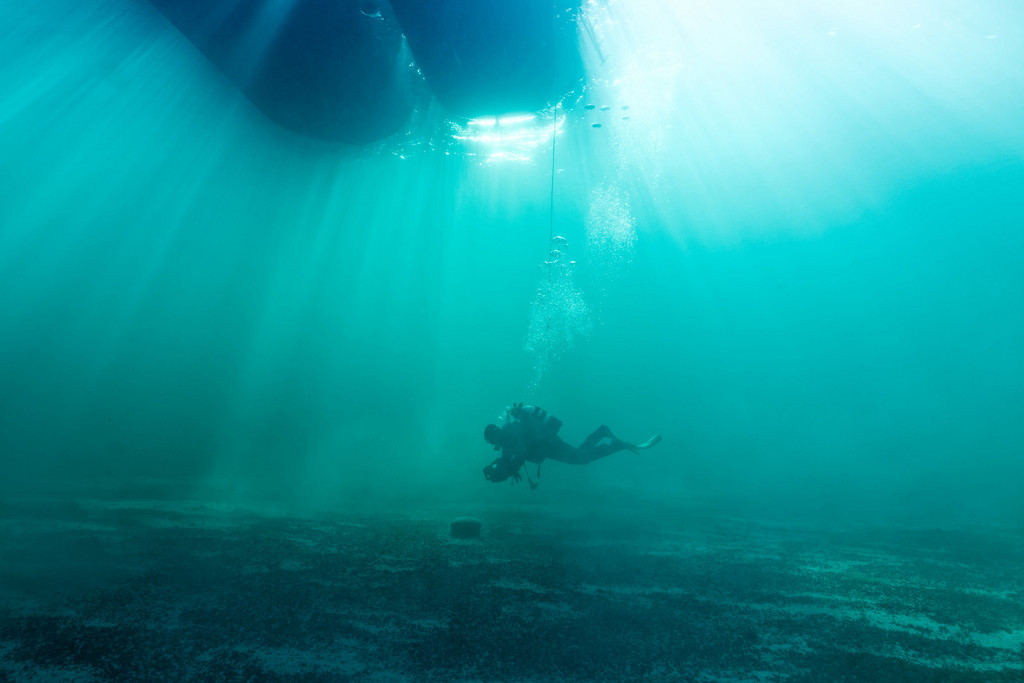
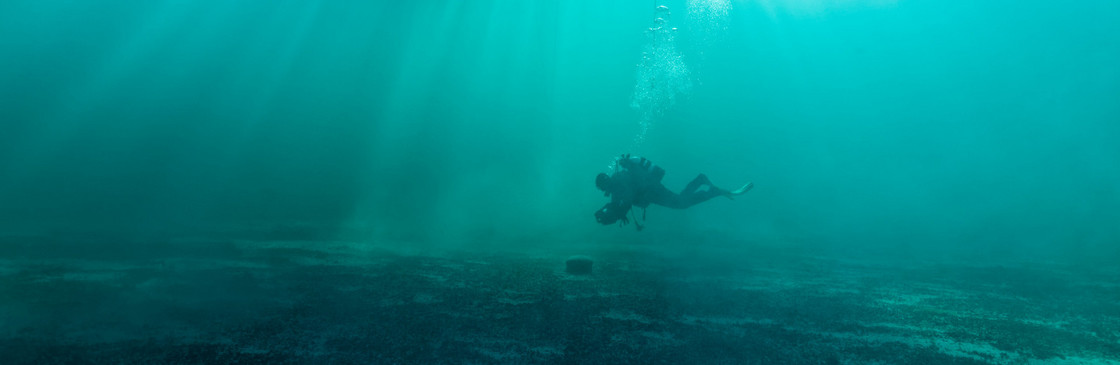
In November 2024, two divers discovered numerous round objects at the bottom of Lake Neuchâtel. Were they Second World War mines? Only when they switched on their lamps did they realise this was something completely different. “You could tell from the colour that it was terracotta,” Julien Pfyffer, founder and president of the Octopus Foundation, recalls. He and an archaeologist from the canton of Neuchâtel recognised that they were looking at an array of ancient dinner plates. They then came across various other ceramic vessels strewn among the algae, mussels, sand and stones – countless cups, bowls and dishes. This was an extraordinary find. “We remained rooted to the spot for several minutes, surveying the cargo,” says Pfyffer.
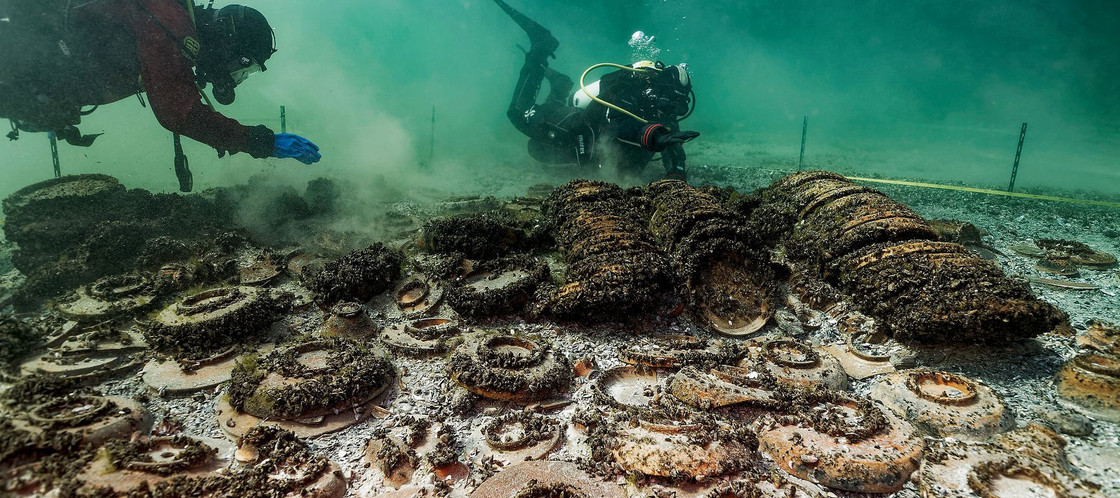
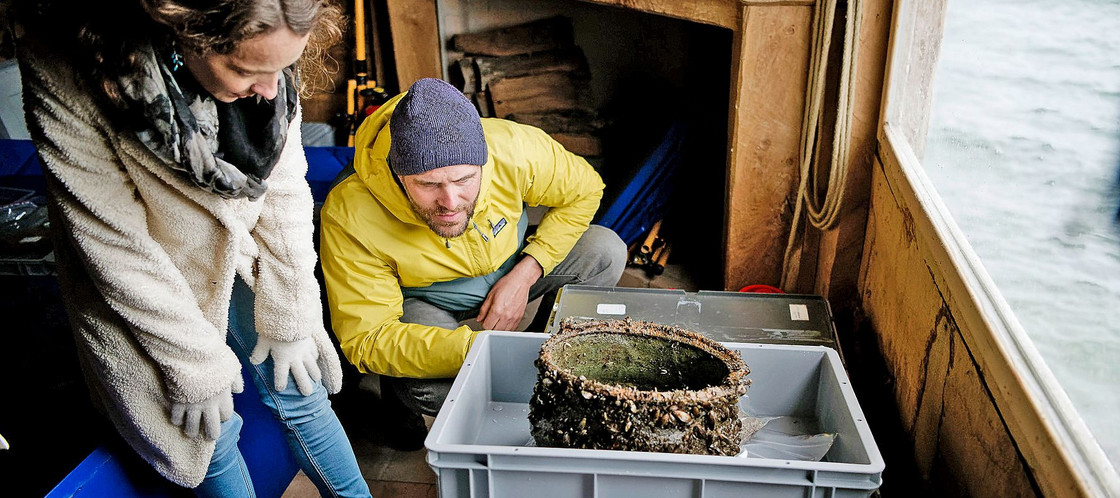
Two and a half years have since passed, with the Neuchâtel cantonal archaeology office (OARC) carrying out subsequent excavations in 2025 and 2026 – supported by the archaeological service of the canton of Fribourg (SAEF), and the Octopus Foundation. A joint team of experts identified and documented around 1,000 objects not far from the lake shore. They brought crates of artefacts up from the depths and took them to the Laténium archeological park and museum in Hauterive, where they are currently being stored in a controlled environment. Fearing looters and vandals, the team kept their work on the project strictly confidential and have only recently informed the public. “The find is of inestimable value,” says the head of OARC, Sonia Wüthrich, adding that the richness, variety and unusually good condition of the cargo are unprecedented in Switzerland.
Archaeologists speculate that the items come from a merchant vessel that sank some time between 20 and 50 CE. Back then, Lake Neuchâtel formed part of a key transport and trade route that connected the southern and northern parts of the Roman Empire and served as an artery for moving food, building materials, goods, animals, and people. It was easier, more efficient, and cheaper to transport cargo on water. Earlier finds already point to Switzerland’s water bodies serving as transit routes in Roman times. The remains of Roman merchant vessels have been excavated in Germany, southern France and the Mediterranean. Yet few examples of cargo have ever been recovered.
“We remained rooted to the spot for several minutes.”
President of the Octopus Foundation
This is why the well-preserved and extensive range of artefacts at the bottom of Lake Neuchâtel is remarkable, not only in a local but in a European context. Wüthrich calls it a “unique source of information previously unknown to us, opening a fascinating window into Roman-era Switzerland and its economic past”.
The ceramic vessels, in particular, could well have been made locally and earmarked for sale. They had been carefully packed in wooden crates. Some plates looked like they had been stacked together, as if they had collapsed from a shelf. On board the vessel, they were likely stowed on a wagon constructed of ash wood, given that the divers found four wheels nearby. This suggests that the Romans favoured a dual system of transportation, evidently combining both land and water routes in the 1st century CE. Two perfectly preserved amphoras are proof that Roman trade networks covered long distances. They originally came from a Roman province in the region of present-day Andalusia and were presumably filled with olive oil. Three Roman swords were also recovered complete with wooden scabbards. Could the vessel have had a military escort on board? The swords could have been used for protection, but alternatively, could simply have been part of the cargo.
The cargo was scattered over a 600-metre stretch on the bed of the lake. It is quite conceivable that the crew threw the items over board after their vessel got into difficulty. “We want to understand the circumstances of this shipwreck and establish the relevant details,” says Wüthrich, explaining that she and her colleagues will aim to put the event into a broader historical context. They want to learn more about transport routes, trade networks, technical know-how, ceramics production, and how products were distributed.
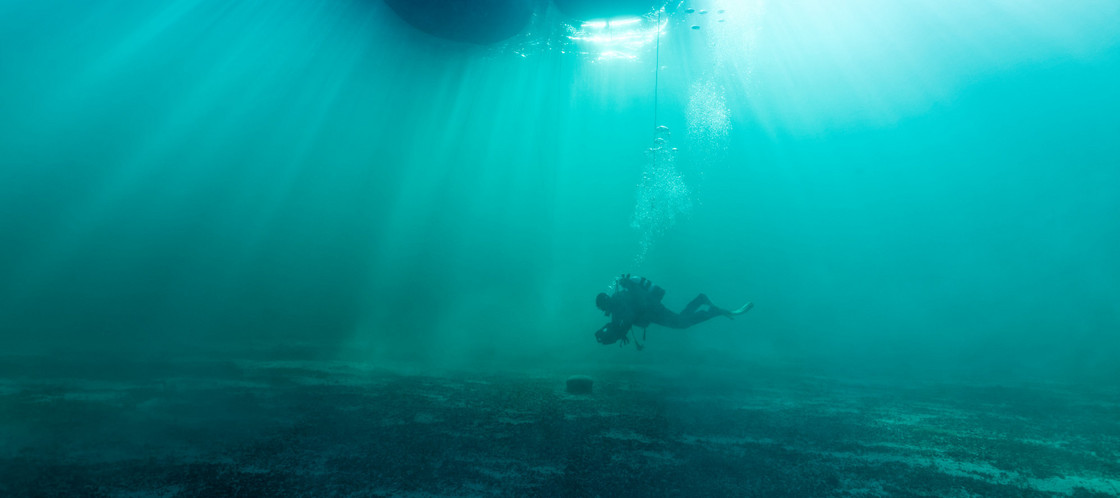
Nevertheless, the job now is to preserve and restore. This will be challenging, given the sheer quantity of objects and the various materials from which they were made. For example, OARC had to rent additional cold-storage facilities and reorganise its storage space. Wüthrich admits that the logistical and financial expense is considerable, but it is, she says, a necessary step to preserve the artefacts and make them accessible to the scientific community and, later, the general public. Indeed, the public should learn more about the find and the excavations from mid-2027. A book and a documentary film are currently in the pipeline. A small themed exhibition has also been mooted. The idea is that the Laténium museum will one day have an area dedicated to waterborne transport and the Roman period.
The artificial straightening of waterways in the 19th and 20th centuries is a big factor in why the valuable cargo has now been discovered. Interventions to “correct” the course of rivers caused water levels to drop and altered the flow of the current. Objects that had disappeared under layers of sediment are now visible. “We regularly monitor the bed of the lake and the cultural heritage preserved underwater,” says Wüthrich. Aerial surveys and diving missions make this possible. A drone image alerted researchers to the underwater cargo, showing a dark area with small circles. Are there any other places where the experts believe similar finds could be made? Wüthrich: “Not at the moment, but we wouldn’t rule anything out!”
Comments