

Meet Francesco Piemontesi: the Swiss pianist behind a new Brahms recording
Born in Locarno, in Italian-speaking Switzerland, Francesco Piemontesi is one of today's most admired interpreters of the German classical and Romantic repertoire. A former BBC New Generation Artist who studied with Alfred Brendel and Cécile Ousset, among others, he now performs with many of the world's leading orchestras.
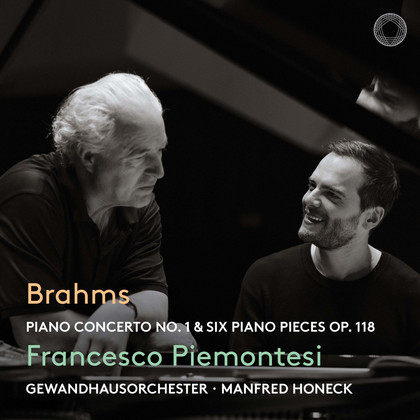
Brahms holds a special place in his musical life, and his latest album for Pentatone pairs the composer's First Piano Concerto — recorded live in Leipzig with the Gewandhausorchester under Manfred Honeck — with the late Six Piano Pieces, Op. 118. We spoke to him around its release.
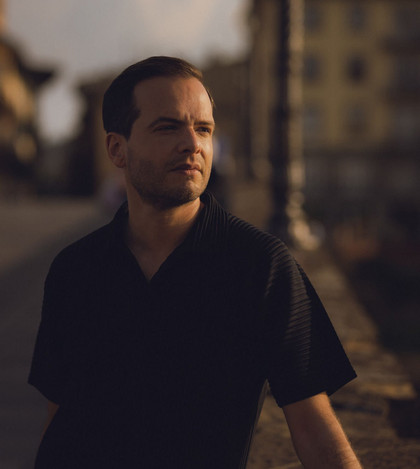
How much did growing up in Ticino shape you as a musician?
Francesco Piemontesi: I started at a music school and then went on to the conservatoire. Alexis Weissenberg lived in Ticino, It was also there that I met Cécile Ousset, whom I later studied with. So yes, the place has played a huge role.
For one thing, there is the inspiration of Ticino’s landscape, which is truly extraordinary — and not just for me. It has inspired many composers. Franz Liszt, for example, came through Ticino and apparently visited the Madonna del Sasso during his year of travelling around Switzerland. Then there was Bartók, and pianists such as Benedetti-Michelangeli and Ashkenazy. They all passed through those places. They leave a mark on you.
And then there is the advantage of being between two cultures. On the one hand, you have the Italian tradition of bel canto; on the other, German culture, with its extraordinary emphasis on music. I think that gave me a greater sense of formal rigour, and a deeper interest in the repertoire. Being able to draw from both traditions has been an extraordinary privilege.
What did you take from such different teachers?
It was hugely important. Going on stage is an incredibly complex thing: you have to master so many different elements, and there is so much to learn from every teacher. Each one has their own experience and tries to guide you according to their own sensibility. But in the end, everything comes down to what happens the moment you perform — and once you are there, you are on your own.
That is when what you have been taught really becomes yours. And with that comes your own interpretation, as well as the ability to be on stage and carry an entire performance.
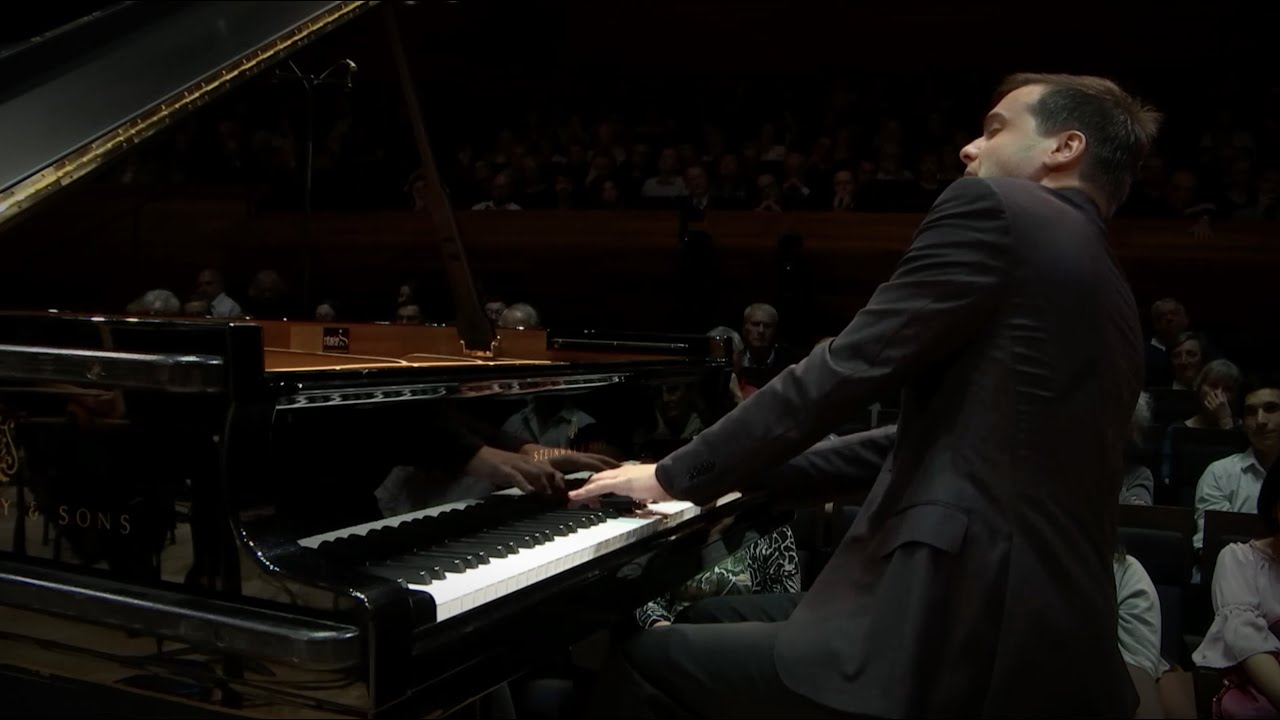
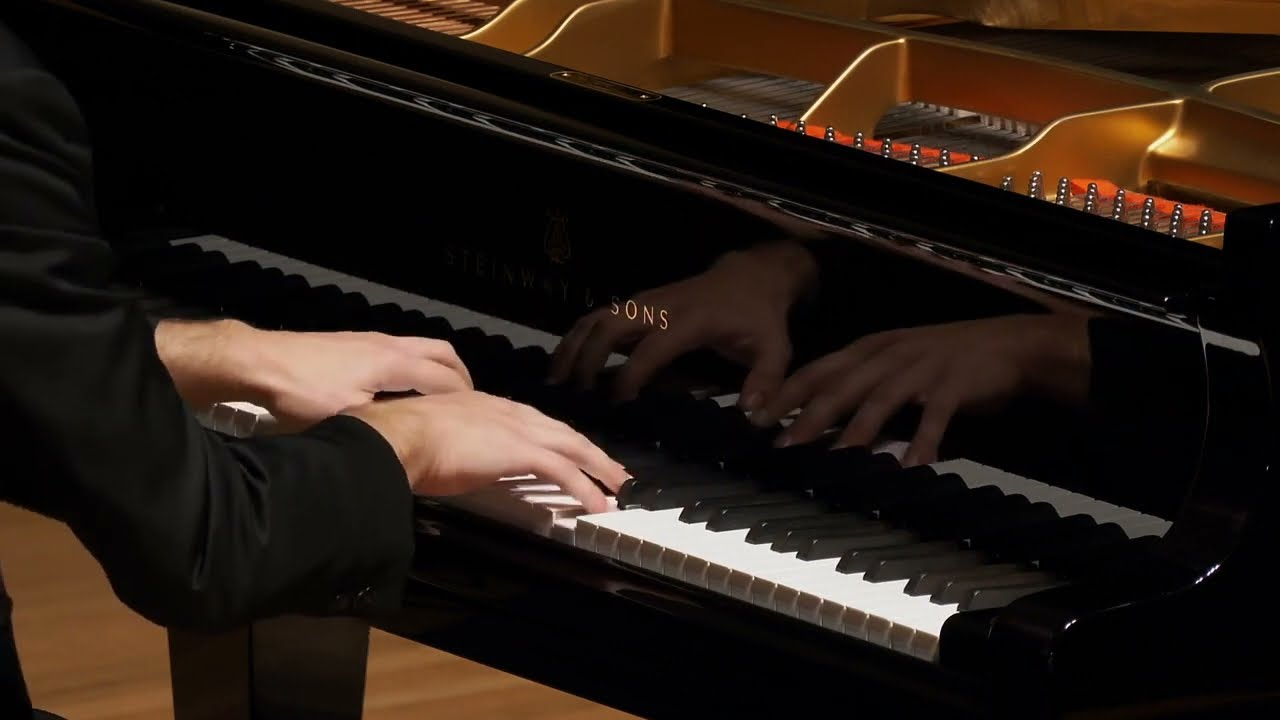
A documentary was made about your approach to playing. What did you hope to share through it?
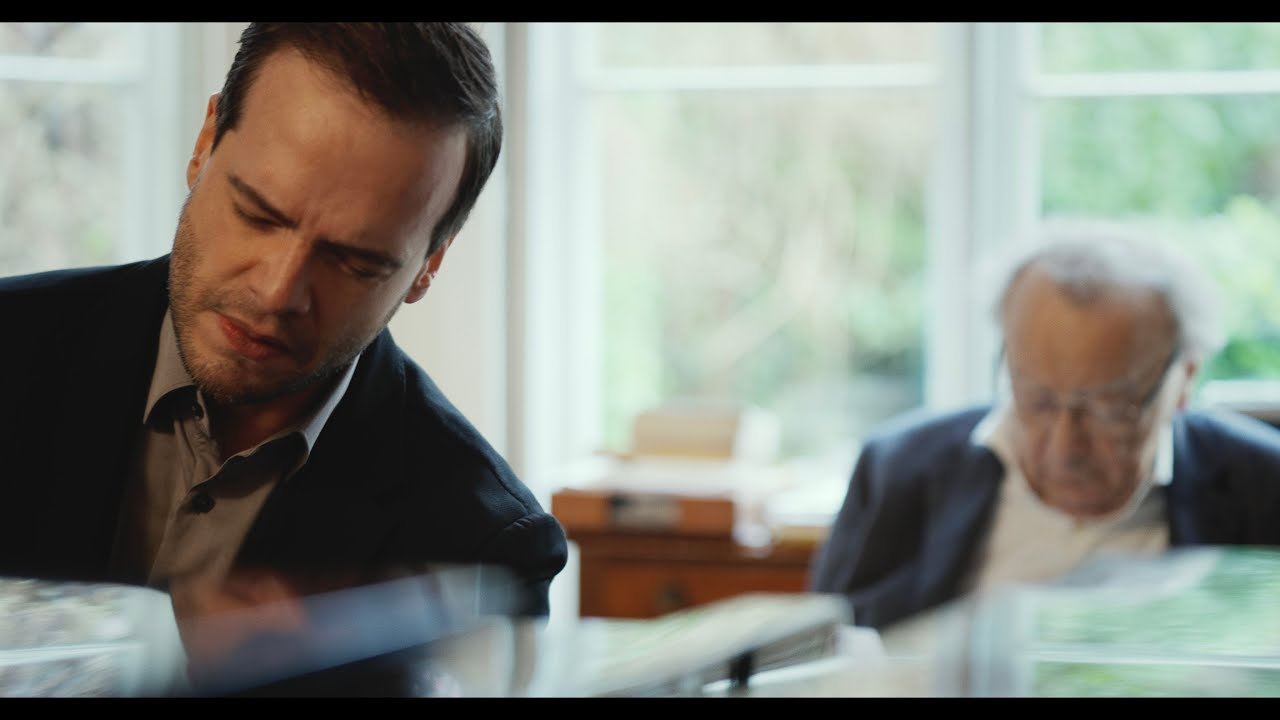
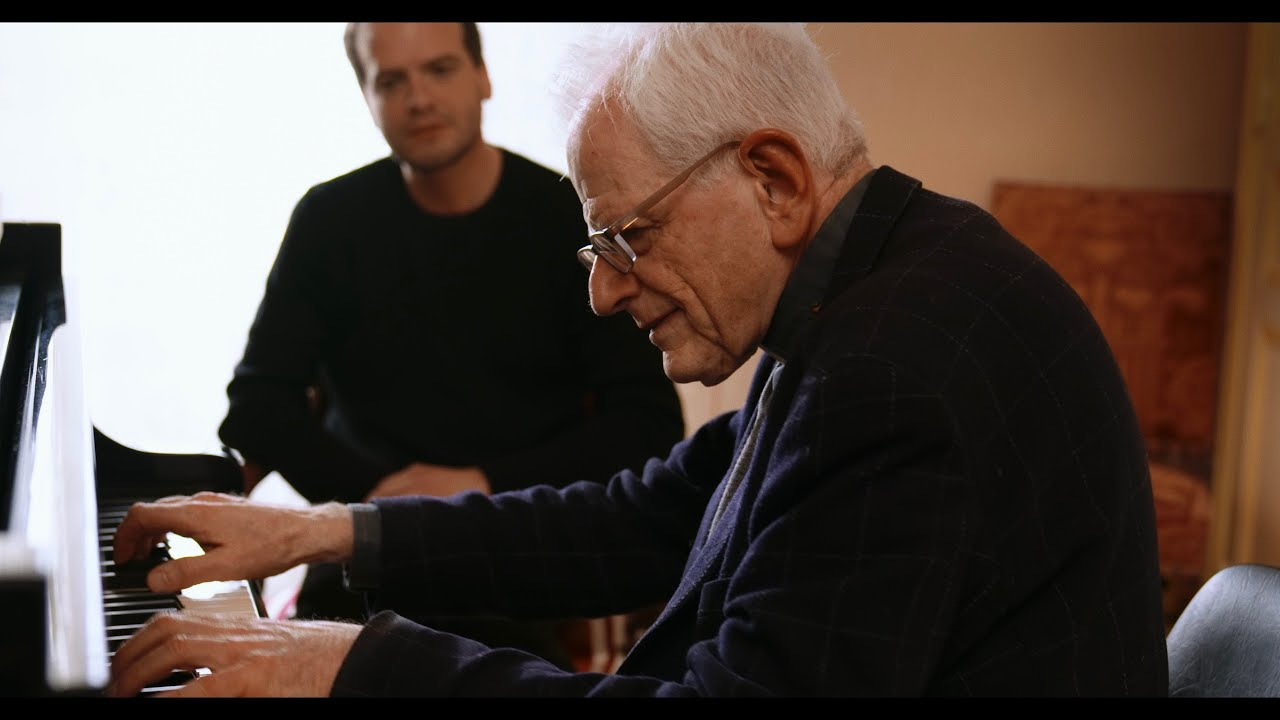
With Jan Schmidt-Garre we tried to get at everything that lies beyond technique: how a sound comes into being, how you breathe, how you use the body as you play, where inspiration comes from, the inner images we carry around with us. We wanted to speak to people who wonder about these things — perhaps music lovers who play for pleasure and want to understand what it means to go beyond simply reading the notes and really enter the heart of a piece. I think that's what makes the documentary worthwhile.
This is your second album devoted to Brahms. Why?
Brahms has been one of my favourite composers for years. His music was written 150 years ago, yet it still speaks to us today. I have also played a great deal of contemporary music, I work with several composers of our time, and I am very interested in what is being written today. I don't only look to the past.
And yet Brahms can move us as though he had written his music this morning. He invites us to stop and think about the world, about our own condition, about our fragility. I feel that very deeply because, for me, playing the piano is not simply about performing the notes. That is only the starting point. It is rather a way of questioning life and the present moment. Certain composers accompany me on that journey. When I am travelling or reading, their music helps me find my centre again, put distractions aside and return to what really matters.
Can you give us an example?
A very concrete example would be the six pieces of Op. 118, which I chose to put at the end of the album. Take the opening of No. 6: just a few notes, and yet they have an astonishing magnetic power.
The music seems incredibly fragile, and that very vulnerability takes us beyond the distractions of the moment and makes us question our place in the world. There is a sense of tragedy behind it, and yet it isn't a house of cards.
We allow ourselves to be distracted, convincing ourselves that life is about productivity and noise. Brahms, on the other hand, seems to suggest that there is something truer, something more interesting, in the present — something worth paying attention to.
And he manages to say all of this in just a few notes.
And what about the decision to put these two works together — the Piano Concerto No. 1 and Op. 118?
Yes, I wanted to create a contrast: the young Brahms alongside the Brahms of his final years. In those days, composers were performers too, and he was no exception. He would go on stage himself and play his own music.
The First Concerto is dramatic, heroic, almost elemental — and I mean "elemental" in the sense of something primordial, not something simple. It is as though you can hear matter itself taking shape.
From the very opening, you get a sense of a young composer stepping before the public and saying: "Here I am. and I'm very good." It is an incredibly bold entrance.
I liked the idea of tracing a line from that debut all the way to the more intimate, mature pages of Op. 118, which we can even play at home, almost without needing an audience.
Bringing together these two sides of Brahms seemed natural to me because it allows you to see the whole journey he made as a composer.
And what was it like recording with the Gewandhausorchester? Why did you choose Manfred Honeck as the conductor?
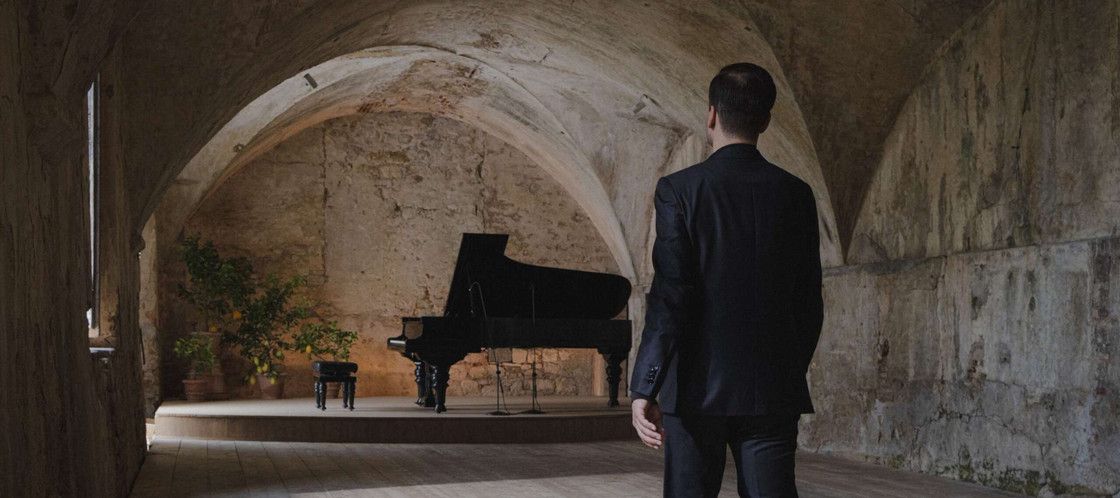
I recorded the concerto live. The six pieces of Op. 118, on the other hand, I recorded with three or four friends in the room. Because they are such intimate pieces, I wanted to record them somewhere secluded, with low lighting and an almost private atmosphere.
For the concerto, by contrast, I wanted to record in front of an audience because it is such a dramatically powerful work. When you have 1,500 or 2,000 people around you, you feel an energy spreading throughout the whole hall.
And then there is the Gewandhausorchester's Brahms tradition, which goes all the way back to the composer himself. The musicians proudly reminded me that, 150 years ago, the orchestra performed with Brahms. That was one of the reasons I chose them.
And Honeck is an extraordinary conductor. When he was younger, he was a violinist with the Vienna Philharmonic, and he inherited from that Viennese tradition the elegance of Strauss's waltzes.
Brahms's heroic writing, of course, needs to retain its power, but by its very nature it can become rather imposing. Honeck managed to soften it with the tradition he comes from, making it more fluid without taking away any of its strength. So that essential heroic quality can coexist with something more graceful.
That idea of music as a space for reflection brings Dostoevsky to mind — he said, “beauty will save the world”. Is that close to how you see it?
Absolutely. And I think this is a huge problem today. We are used to receiving millions of stimuli every day. But some things require us to stop, be silent and think if we really want to understand them, if we want to get to the heart of the matter.
Music gives us that possibility. It allows us to grasp the "fleeting moment". And it is precisely in that state of stillness that beauty emerges.
For me, playing doesn't mean thinking, "Now I have to make an album." That is, if anything, a by-product. What matters is the dialogue — with the composers, with the music itself, with myself. That dialogue opens the door to greater self-awareness and allows me to discover what is most authentic in music.
That, ultimately, is the joy of what we do.
Francesco Piemontesi's professional website
Brahms: Piano Concerto No. 1 & Six Piano Pieces, Op. 118
is out now on Pentatone, available on Apple Music and Spotify
Comments