Los homicidios de mujeres en el ámbito doméstico alcanzaron un nuevo récord en 2025. La Confederación y los cantones han puesto en marcha diversas medidas para frenar la violencia y ofrecer mejor protección a las víctimas. ¿Pero, es suficiente lo que está haciendo Suiza?
Binningen (Basilea-Campiña): el 13 de febrero de 2024, a mediodía, un hombre de 41 años golpea a su esposa de 38 años en la cara, la asfixia hasta dejarla inconsciente y la estrangula en la vivienda que compartían, situada en un acomodado barrio residencial. La pareja, con dos niños pequeños, estaba a punto de separarse. El marido desmiembra el cadáver para desaparecer las evidencias. Corcelles (Neuchâtel): en la noche del 19 al 20 de agosto de 2025, una mujer de 47 años y sus dos hijas mueren apuñaladas en su vivienda. El exmarido, de 52 años, se convierte rápidamente en el principal sospechoso. Grabs (San Galo): el 26 de abril de 2026 fallece una mujer de 71 años en su vivienda unifamiliar. La policía detiene a su marido, de 67 años.
El Gobierno federal y los cantones planean implementar en 2027 una nueva estrategia nacional de lucha contra la violencia doméstica y sexual.
Tres lugares, tres años, tres crímenes. Estos hechos demuestran lo peligroso que puede llegar a ser el propio hogar para las mujeres de todas las edades, en una Suiza que suele considerarse pacífica. Poco a poco, la sociedad y la clase política van tomando conciencia del problema de la violencia cometida por la pareja o expareja de las víctimas; pero lo cierto es que estos crímenes han dejado de ser, desde hace tiempo, mucho más que casos aislados. Por término medio muere en Suiza cada dos o tres semanas una mujer a causa de la violencia doméstica. Con 25 mujeres y niñas asesinadas, se registró en 2025 el mayor número de feminicidios en Suiza desde que el Gobierno federal comenzó a registrar estos homicidios por separado (2009). En total, Suiza registró el año pasado 55 homicidios.
Alarma en el Gobierno
Los hombres también son víctimas de la violencia doméstica. Sin embargo, en los casos de homicidio se observa un patrón muy claro: más del 90 % de las víctimas son mujeres, y los autores, en su mayoría, hombres. La cifra récord de 2025 alarmó al Gobierno. “Esto no puede seguir así”, declaró la Ministra del Interior, Elisabeth Baume-Schneider. Para el Ministro de Justicia, Beat Jans, se trata de un problema de seguridad: ningún otro delito se cobra tantas víctimas mortales en Suiza como la violencia contra las mujeres. Ya a mediados de 2025, cuando empezaba a perfilarse el aumento de los casos, una comisión formada por representantes del Gobierno federal, los cantones y los municipios adoptó medidas de urgencia: por ejemplo, se solicitó a las distintas regiones que colaboraran para ofrecer más espacios seguros en los centros de acogida para mujeres.
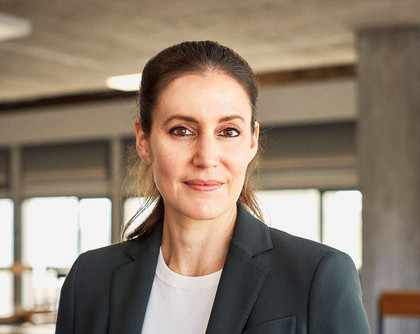
Mientras que los homicidios entre hombres han disminuido considerablemente en Suiza, los asesinatos de mujeres a manos de sus parejas se mantienen estables. “Esto da que pensar”, afirma la criminalista Nora Markwalder. Foto cedida a la revista
Nora Markwalder, Profesora de Derecho Penal en la Universidad de San Galo, no ha observado hasta ahora un aumento sostenido de los homicidios de mujeres. Aun así, esta “tendencia estable” resulta preocupante. Mientras que los homicidios entre hombres (por ejemplo, durante salidas con amigos, en el mundo del hampa o en el marco de peleas) han registrado un descenso significativo en las últimas décadas, los homicidios de mujeres a manos de sus parejas se han mantenido constantes. “Esto da que pensar”, afirma la criminalista.
No se trata de simples “dramas familiares”
El término “feminicidio” ofrece una posible pista para la reflexión. Acuñado en los años setenta por la socióloga estadounidense Diana Russell, hace referencia a la dimensión social de este tipo de delito. Según una definición de la ONU de 2012, se consideran feminicidios los asesinatos cometidos contra mujeres en el ámbito doméstico. Los análisis muestran que estos crímenes están relacionados a menudo con el afán de dominación, el deseo de posesión y las expectativas del agresor respecto de los roles de género. Las separaciones constituyen episodios de alto riesgo. “Alrededor de la mitad de los homicidios ocurren durante o tras la separación”, explica Nora Markwalder.
En Suiza, el término “feminicidio” no se usa en el ámbito legal. Los colectivos de defensa de los derechos de las mujeres, la política y el proyecto de investigación stopfemizid.ch lo utilizan desde hace tiempo para dar visibilidad a estos casos; pero también los medios de comunicación y las autoridades lo están usando cada vez más. Para Nora Markwalder, este término describe la realidad: “Se trata de un homicidio, no de un drama familiar, ni de una desgracia, ni de un acto motivado por un amor desmedido, como solía decirse de forma eufemística en el pasado”.
Poco a poco, la sociedad y la clase política van tomando conciencia del problema de la violencia cometida por la pareja o expareja de las víctimas.
Nueva línea de atención a las víctimas
Durante mucho tiempo prevaleció en Suiza la idea de que no era asunto del Estado lo que ocurría en el ámbito doméstico. No fue hasta 2004 cuando se tipificó la violencia doméstica (violaciones, agresiones físicas, amenazas) como un delito perseguido por el Estado. Mujeres de todos los partidos políticos han pugnado para que se adopten medidas destinadas a combatir la violencia ejercida por los hombres. Con la ratificación del Convenio de Estambul del Consejo de Europa en 2018, Suiza se comprometió a actuar. Una “hoja de ruta” elaborada conjuntamente por el Gobierno federal y los cantones ha dado sus primeros frutos: desde la primavera de 2026 está en servicio la primea línea nacional de atención a las víctimas, que les permite llamar directamente al 142. Además, los cantones están reforzando su gestión de las amenazas para detectar la violencia con antelación, porque el feminicidio suele ser el desenlace de una espiral de violencia, según un análisis gubernamental.
Ahora, los esfuerzos de la policía se centran más en los agresores potenciales. En algunos cantones se están llevando a cabo proyectos piloto con tobilleras electrónicas para hacer cumplir las órdenes de alejamiento. El Gobierno federal ha lanzado una campaña de prevención para sensibilizar a la población sobre la violencia doméstica. También se están debatiendo modificaciones legislativas, por ejemplo en materia de armas. Un estudio de la Universidad de San Galo reveló en 2025 que los autores de homicidios domésticos en Suiza suelen utilizar armas de fuego con una frecuencia superior a la media, sobre todo si son personas de cierta edad. Una de las razones es que los hombres suizos pueden conservar sus armas del ejército tras finalizar el servicio militar obligatorio.
Críticas y reivindicaciones
Las organizaciones defensoras de los derechos de la mujer y los partidos de izquierda critican a Suiza por no aplicar con suficiente rigor el Convenio de Estambul, a pesar de los avances logrados. Denuncian la falta de recursos financieros para los centros de acogida para mujeres y lamentan que la protección de las mujeres varíe mucho de un cantón a otro. El partido de derecha SVP sostiene que la violencia doméstica es, ante todo, un problema relacionado con los inmigrantes, para los cuales exige penas más severas y expulsiones sistemáticas.
El Gobierno federal y los cantones planean implementar en 2027 una nueva estrategia nacional de lucha contra la violencia doméstica y sexual, con el fin de armonizar las medidas adoptadas y combatir de forma más eficiente la violencia digital. Además, El Parlamento nacional ha aprobado un estudio de viabilidad sobre el registro estadístico de los feminicidios, incluso fuera del ámbito doméstico.
Un juicio que sacudió a la opinión pública
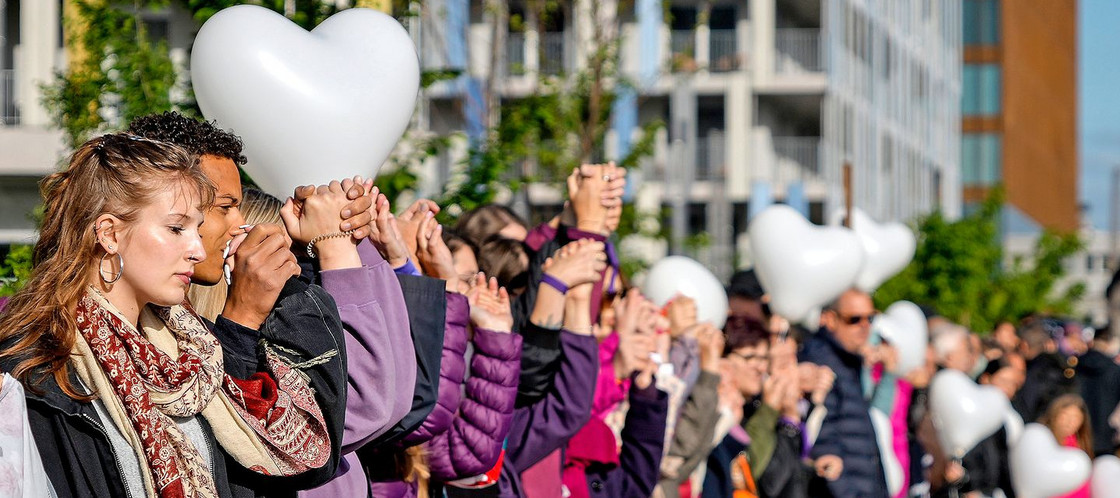
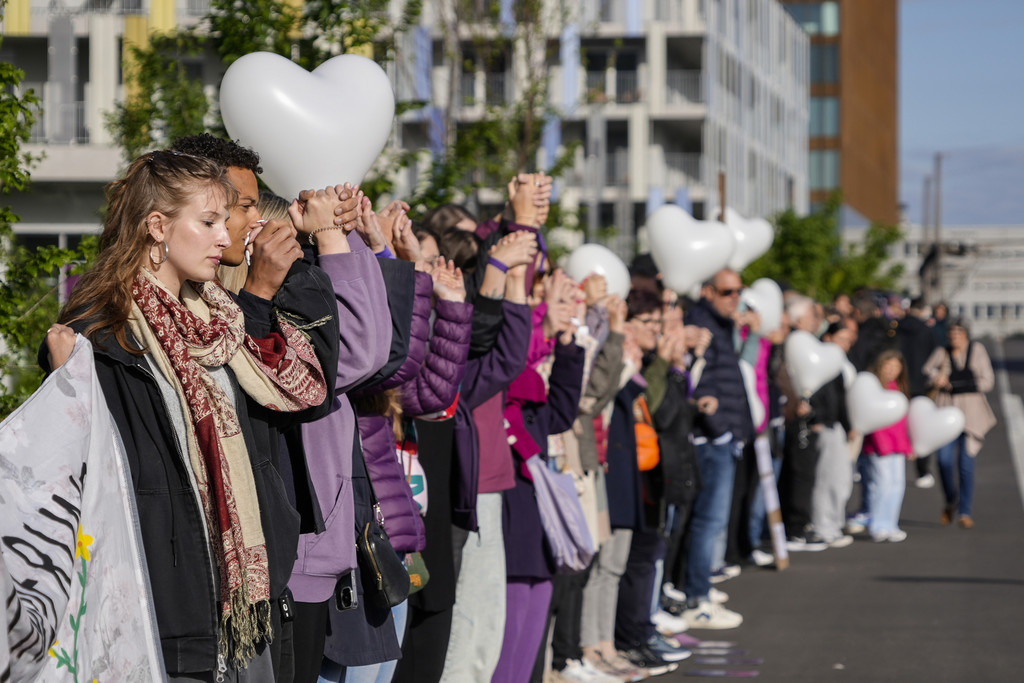
En el caso del homicidio de Binningen, el juicio en primera instancia tuvo lugar en mayo de 2026. Dejó al descubierto la dinámica destructiva de la violencia doméstica. El Tribunal Penal de Basilea-Campiña condenó al marido a cadena perpetua por asesinato y profanación de la tumba. Determinó que actuó movido por el afán de control, el resentimiento por la intención de separación, la venganza y la ira. En última instancia, mató para encubrir la violencia doméstica. El Presidente del tribunal aludió al problema social: “Esto es un feminicidio”. Durante la lectura de la sentencia, familiares, amigos y activistas recordaron a la mujer asesinada formando una cadena humana ante el edificio del tribunal.
Thank you for your comment. Your Comment Added Successfully.
Gracias por su comentario. Se tarda entre 1 y 3 días en aprobar los comentarios.
Oops! Something went wrong, please try again later.
Comentarios :
Thank you for your comment. Your Comment Added Successfully.
Raton Kumar Karmaker 11.09.2026 At 14:10
Sub: Apply for Special grant for Commercially Sexually Exploited Children (CSEC) in Bangladesh. Dear sir On behalf of Shapla Mohila Sangstha (SMS), we are pleased to express our interest in establishing a funding and strategic partnership with you for the protection of children and women from human trafficking, sexual exploitation, abuse, violence, and related forms of vulnerability in Bangladesh. Shapla Mohila Sangstha is a women-led, non-governmental, non-profit, and rights-based organization established in 1997 in Faridpur, Bangladesh. For more than 27 years, SMS has been working with survivors and populations at heightened risk of trafficking and exploitation, particularly vulnerable children, adolescent girls, sex workers and their children, survivors of sexual violence, and socially excluded women. Human trafficking remains a serious protection and human-rights concern in Bangladesh. Poverty, gender inequality, domestic violence, unsafe migration, deception, lack of livelihood opportunities, family separation, natural disasters, weak legal identity, and limited access to protection services increase the vulnerability of children and women to trafficking and exploitation. Children and adolescent girls living in brothel areas, informal settlements, transport hubs, border areas, and economically disadvantaged communities face particularly severe risks. Many are exposed to grooming, deceptive recruitment, forced or bonded sexual exploitation, child marriage, domestic servitude, unsafe migration, physical and sexual violence, and intergenerational involvement in commercial sexual exploitation. Women who have experienced trafficking or sexual exploitation frequently face stigma, mental-health challenges, legal barriers, economic dependency, and limited opportunities for safe reintegration. Without coordinated protection, recovery, education, legal assistance, psychosocial care, and livelihood support, survivors may remain vulnerable to re-trafficking and repeated exploitation. Based on its long-standing experience, SMS intends to expand and strengthen an integrated programme focusing on the prevention, identification, rescue, protection, recovery, rehabilitation, and sustainable reintegration of children and women affected by or at risk of human trafficking. The proposed intervention would include: • identification and safe referral of children and women at risk of trafficking; • rescue and emergency protection support in coordination with law-enforcement agencies, social services, and child-protection authorities; • safe shelter and alternative care for children and survivors where required; • medical care, reproductive-health services, mental-health care, and trauma-informed psychosocial counselling; • individual case management and survivor-centred recovery planning; • legal aid, birth registration, identity documentation, and support for access to justice;
• education, school reintegration, vocational training, and life-skills development; • livelihood and economic-reintegration support for women and survivors; • family assessment, safe family reunification, and post-reintegration follow-up; • strengthening of community-based child-protection and anti-trafficking mechanisms; • awareness and prevention activities in high-risk communities; • capacity building of government officials, law-enforcement personnel, service providers, community leaders, and civil-society organizations; • improved coordination, referral pathways, and cross-sectoral collaboration; and • policy advocacy and media engagement to reduce stigma and strengthen protection systems. SMS is currently implementing the “Projonmo-Sopan” project supported by Pro Victims Foundation, Switzerland which focuses on ensuring the safety and well-being of brothel-based sex workers’ children and mothers. Through this ongoing initiative, SMS is providing protection, education, healthcare, psycho-social support, legal assistance, livelihood opportunities, community awareness, and referral services for highly vulnerable women, children, adolescents, and survivors. SMS is also implementing a a project named Trafficking in Person in Bangladesh funded by Freedom Fund (UK & USA). SMS’s practical experience in identifying children at risk, responding to sexual exploitation, coordinating rescue and referral processes, providing survivor-centred support, and addressing the structural conditions that expose children and women to trafficking. SMS also operates the Shapla Kuri Child Development Centre (SKCDC), a residential protection and education facility for girls born and raised in brothel environments, and BONDHU Home, a residential care initiative for boys of sex workers. These facilities provide safe accommodation, formal education, healthcare, nutrition, psychosocial support, life-skills development, and opportunities for children to grow in a protective and nurturing environment. Over the years, SMS has supported the rescue of more than 140 minor girls from brothel-based exploitation and assisted approximately 130 survivors with rehabilitation, family reintegration, protective care, or referral to appropriate government services. SMS has also implemented 36 development programmes and reached more than 57,000 women and children through development and humanitarian interventions. SMS maintains close working relationships with local administrations, police, social services, health facilities, legal-aid providers, educational institutions, community-based organizations, survivor groups, and civil-society partners. These relationships enable SMS to provide coordinated and timely protection services in sensitive and difficult-to-access environments. We respectfully request you to consider supporting SMS in developing and implementing a comprehensive project on the protection of children and women from human trafficking and sexual exploitation. The project concept, geographic coverage, duration, target groups, activities, results framework, and budget can be further developed and aligned with your organization’s funding priorities and application guidelines. SMS is committed to child safeguarding, survivor-centred programming, gender equality, prevention of sexual exploitation and abuse, confidentiality, accountability, transparency, and responsible financial management. All interventions will follow the principles of safety, dignity, informed consent, non-discrimination, and the best interests of the child. We would be grateful for an opportunity to discuss potential areas of collaboration and submit a detailed concept note or full proposal in accordance with your funding requirements.
We sincerely hope that you will consider partnering with Shapla Mohila Sangstha to prevent trafficking, protect children and women from exploitation, support survivors in rebuilding their lives, and strengthen sustainable community and institutional protection mechanisms in Bangladesh. Michael Kranz, a Movie Film Producer from Germany made a documentary film on "Force Prostitution in Bangladesh and the whole film was produced on our work at Faridpur brothels in Bangladesh in 2015 - 2017. The documentary awarded as best documentary film in last year 2021 and the organizer invited us in Germany ( Munich) to handed over the award to Michael Kranz on 20th May, 2022. Michael Kranz is supporting the boys home since 2015 of 25 boys . Please find the link as below: www.dropbox.com/scl/fi/ngal2ro3hxls3s6tfawjt/BCM_Shapla-Introduction_3min-11sec_04062020.mp4?rlkey=wq71lcvptfxfktcny5vbitf4h&e=2&dl=0
BCM_Shapla-Introduction_3min-11sec_04062020.mp4 Shared with Dropbox
Thank you for your comment. Your Comment Added Successfully.
Arye Ophir, Israel 03.08.2026 At 17:25
Häusliche Gewalt ist nicht nur ein wachsendes Problem in der Schweiz. In der gesamten islamischen Hemisphäre ist verbreitet und in der westlichen Welt ist sie immer mehr das schwache Glied in der zunehmenden gesellschaftlichen Gewaltverkettung, wo der Schwächere potenzielles Opfer ist. Die Opfer zu schützen fordert vor allem Vorbeugegewalt gegen die Gewaltbereiten und viel strengere Strafen.
Mostrar la traducción
Subscríbase al boletín de noticias de SwissCommunity
Comentarios
Comentarios :
Dear sir
On behalf of Shapla Mohila Sangstha (SMS), we are pleased to express our interest in establishing a funding and strategic partnership with you for the protection of children and women from human trafficking, sexual exploitation, abuse, violence, and related forms of vulnerability in Bangladesh.
Shapla Mohila Sangstha is a women-led, non-governmental, non-profit, and rights-based organization established in 1997 in Faridpur, Bangladesh. For more than 27 years, SMS has been working with survivors and populations at heightened risk of trafficking and exploitation, particularly vulnerable children, adolescent girls, sex workers and their children, survivors of sexual violence, and socially excluded women.
Human trafficking remains a serious protection and human-rights concern in Bangladesh. Poverty, gender inequality, domestic violence, unsafe migration, deception, lack of livelihood opportunities, family separation, natural disasters, weak legal identity, and limited access to protection services increase the vulnerability of children and women to trafficking and exploitation.
Children and adolescent girls living in brothel areas, informal settlements, transport hubs, border areas, and economically disadvantaged communities face particularly severe risks. Many are exposed to grooming, deceptive recruitment, forced or bonded sexual exploitation, child marriage, domestic servitude, unsafe migration, physical and sexual violence, and intergenerational involvement in commercial sexual exploitation.
Women who have experienced trafficking or sexual exploitation frequently face stigma, mental-health challenges, legal barriers, economic dependency, and limited opportunities for safe reintegration. Without coordinated protection, recovery, education, legal assistance, psychosocial care, and livelihood support, survivors may remain vulnerable to re-trafficking and repeated exploitation.
Based on its long-standing experience, SMS intends to expand and strengthen an integrated programme focusing on the prevention, identification, rescue, protection, recovery, rehabilitation, and sustainable reintegration of children and women affected by or at risk of human trafficking.
The proposed intervention would include:
• identification and safe referral of children and women at risk of trafficking;
• rescue and emergency protection support in coordination with law-enforcement agencies, social services, and child-protection authorities;
• safe shelter and alternative care for children and survivors where required;
• medical care, reproductive-health services, mental-health care, and trauma-informed psychosocial counselling;
• individual case management and survivor-centred recovery planning;
• legal aid, birth registration, identity documentation, and support for access to justice;
• education, school reintegration, vocational training, and life-skills development;
• livelihood and economic-reintegration support for women and survivors;
• family assessment, safe family reunification, and post-reintegration follow-up;
• strengthening of community-based child-protection and anti-trafficking mechanisms;
• awareness and prevention activities in high-risk communities;
• capacity building of government officials, law-enforcement personnel, service providers, community leaders, and civil-society organizations;
• improved coordination, referral pathways, and cross-sectoral collaboration; and
• policy advocacy and media engagement to reduce stigma and strengthen protection systems.
SMS is currently implementing the “Projonmo-Sopan” project supported by Pro Victims Foundation, Switzerland which focuses on ensuring the safety and well-being of brothel-based sex workers’ children and mothers. Through this ongoing initiative, SMS is providing protection, education, healthcare, psycho-social support, legal assistance, livelihood opportunities, community awareness, and referral services for highly vulnerable women, children, adolescents, and survivors.
SMS is also implementing a a project named Trafficking in Person in Bangladesh funded by Freedom Fund (UK & USA). SMS’s practical experience in identifying children at risk, responding to sexual exploitation, coordinating rescue and referral processes, providing survivor-centred support, and addressing the structural conditions that expose children and women to trafficking.
SMS also operates the Shapla Kuri Child Development Centre (SKCDC), a residential protection and education facility for girls born and raised in brothel environments, and BONDHU Home, a residential care initiative for boys of sex workers. These facilities provide safe accommodation, formal education, healthcare, nutrition, psychosocial support, life-skills development, and opportunities for children to grow in a protective and nurturing environment.
Over the years, SMS has supported the rescue of more than 140 minor girls from brothel-based exploitation and assisted approximately 130 survivors with rehabilitation, family reintegration, protective care, or referral to appropriate government services. SMS has also implemented 36 development programmes and reached more than 57,000 women and children through development and humanitarian interventions.
SMS maintains close working relationships with local administrations, police, social services, health facilities, legal-aid providers, educational institutions, community-based organizations, survivor groups, and civil-society partners. These relationships enable SMS to provide coordinated and timely protection services in sensitive and difficult-to-access environments.
We respectfully request you to consider supporting SMS in developing and implementing a comprehensive project on the protection of children and women from human trafficking and sexual exploitation. The project concept, geographic coverage, duration, target groups, activities, results framework, and budget can be further developed and aligned with your organization’s funding priorities and application guidelines.
SMS is committed to child safeguarding, survivor-centred programming, gender equality, prevention of sexual exploitation and abuse, confidentiality, accountability, transparency, and responsible financial management. All interventions will follow the principles of safety, dignity, informed consent, non-discrimination, and the best interests of the child.
We would be grateful for an opportunity to discuss potential areas of collaboration and submit a detailed concept note or full proposal in accordance with your funding requirements.
We sincerely hope that you will consider partnering with Shapla Mohila Sangstha to prevent trafficking, protect children and women from exploitation, support survivors in rebuilding their lives, and strengthen sustainable community and institutional protection mechanisms in Bangladesh.
Michael Kranz, a Movie Film Producer from Germany made a documentary film on "Force Prostitution in Bangladesh and the whole film was produced on our work at Faridpur brothels in Bangladesh in 2015 - 2017.
The documentary awarded as best documentary film in last year 2021 and the organizer invited us in Germany ( Munich) to handed over the award to Michael Kranz on 20th May, 2022. Michael Kranz is supporting the boys home since 2015 of 25 boys .
Please find the link as below:
www.dropbox.com/scl/fi/ngal2ro3hxls3s6tfawjt/BCM_Shapla-Introduction_3min-11sec_04062020.mp4?rlkey=wq71lcvptfxfktcny5vbitf4h&e=2&dl=0
BCM_Shapla-Introduction_3min-11sec_04062020.mp4
Shared with Dropbox
https://www.br.de/mediathek/video/kategorie-dokumentarfilm-michael-kranz-fuer-was-tun-av:62890806dc12300008e3c4cb
or
https://wetransfer.com/downloads/35c234574f6ea4da2853f64f84f9e8ed20220609074603/7149173c53826fb0e84700b397d5e8aa20220609074642/b9b5c3
You can also visit our website:www.shaplamohilasangstha.org
Please go through our mail and extend your hands.
Warm Regards,
Raton
Häusliche Gewalt ist nicht nur ein wachsendes Problem in der Schweiz. In der gesamten islamischen Hemisphäre ist verbreitet und in der westlichen Welt ist sie immer mehr das schwache Glied in der zunehmenden gesellschaftlichen Gewaltverkettung, wo der Schwächere potenzielles Opfer ist. Die Opfer zu schützen fordert vor allem Vorbeugegewalt gegen die Gewaltbereiten und viel strengere Strafen.