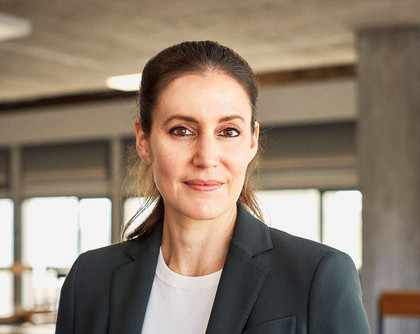
Nora Markwalder, professeure de droit pénal à l’Université de Saint-Gall, ne constate aucune hausse durable du nombre de féminicides. Mais elle trouve tout de même cette «tendance stable» préoccupante. Tandis que les meurtres entre hommes, commis lors de sorties, de disputes ou dans le milieu criminel, ont fortement reculé en Suisse ces dernières décennies, le nombre de femmes tuées par leur conjoint est resté constant. «Cela interroge», note la criminologue.
Pas un «drame familial»
Le terme de «féminicide» fournit une piste de réflexion. Popularisé dans les années 1970 par la sociologue américaine Diana Russell, il renvoie à la dimension sociétale de ces crimes. D’après une définition de l’ONU de 2012, les féminicides sont les meurtres commis sur des femmes dans un contexte domestique. Des analyses montrent qu’ils sont souvent liés, chez leurs auteurs, à une volonté de domination, un sentiment de possession et des stéréotypes de genre. Les séparations sont des phases à haut risque. «Près de la moitié des meurtres sont commis pendant ou après la séparation», explique Nora Markwalder.
En Suisse, le féminicide n’est pas un terme juridique. Des groupes de défense des droits des femmes, des responsables politiques et le projet de recherche stopfemizid.ch l’utilisent depuis quelque temps pour mettre ces affaires en lumière. Les médias et les autorités l’emploient aussi de plus en plus. Pour Nora Markwalder, il décrit la réalité: «Il s’agit d’un meurtre, pas d’un drame familial ou d’un crime passionnel, comme on le désignait souvent auparavant pour minimiser sa gravité.»
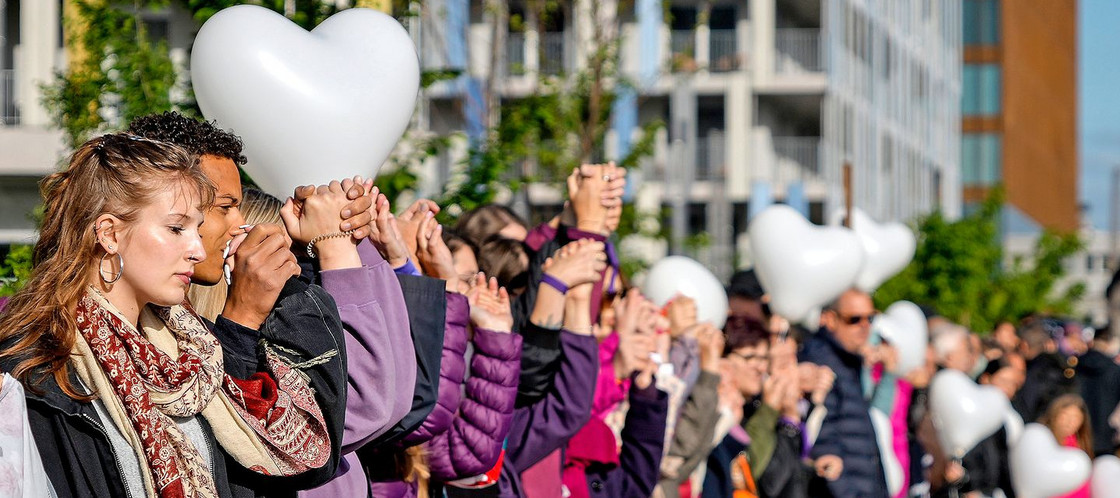
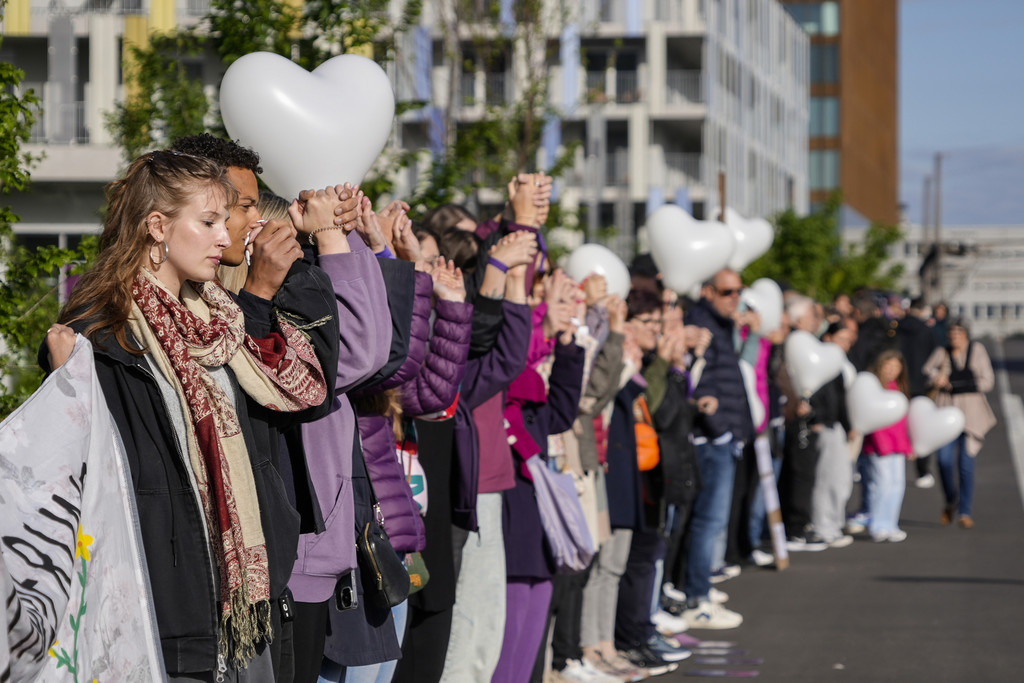
La violence exercée par les conjoints ou ex-conjoints commence peu à peu à interpeller la société et le monde politique, mais ces crimes ne sont plus des actes isolés depuis longtemps.
Nouveau numéro d’aide aux victimes
La Suisse a longtemps estimé que ce qui se passait chez les gens ne concernait pas l’État. La violence domestique – viols, voies de fait et menaces – n’est un délit officiel que depuis 2004. Des politiciennes de tous bords se sont battues pour que des mesures soient prises contre la violence faite aux femmes. En ratifiant la Convention d’Istanbul en 2018, la Suisse s’est engagée à agir. Une «feuille de route» de la Confédération et des cantons a porté de premiers fruits: au printemps de 2026, une ligne nationale d’aide aux victimes a été mise en place, le 142. Les cantons ont renforcé leur gestion des menaces pour détecter précocement la violence. Car le féminicide est souvent le point final d’une spirale de violence, comme l’a montré une analyse de la Confédération.
Désormais, la police s’adresse de manière ciblée aux auteurs de violences. Des cantons testent le bracelet électronique pour interdire les contacts. La Confédération a lancé une campagne de prévention afin de sensibiliser la population à la violence domestique. Des modifications législatives sont envisagées, notamment dans le droit régissant la détention d’armes. En 2025, une étude de l’Université de Saint-Gall a montré que les meurtres domestiques sont souvent commis au moyen d’armes à feu en Suisse, surtout si les auteurs sont âgés. Il faut savoir que les Suisses peuvent conserver leur arme militaire même après avoir été libérés de l’obligation de servir.
Commentaires
Commentaires :
Dear sir
On behalf of Shapla Mohila Sangstha (SMS), we are pleased to express our interest in establishing a funding and strategic partnership with you for the protection of children and women from human trafficking, sexual exploitation, abuse, violence, and related forms of vulnerability in Bangladesh.
Shapla Mohila Sangstha is a women-led, non-governmental, non-profit, and rights-based organization established in 1997 in Faridpur, Bangladesh. For more than 27 years, SMS has been working with survivors and populations at heightened risk of trafficking and exploitation, particularly vulnerable children, adolescent girls, sex workers and their children, survivors of sexual violence, and socially excluded women.
Human trafficking remains a serious protection and human-rights concern in Bangladesh. Poverty, gender inequality, domestic violence, unsafe migration, deception, lack of livelihood opportunities, family separation, natural disasters, weak legal identity, and limited access to protection services increase the vulnerability of children and women to trafficking and exploitation.
Children and adolescent girls living in brothel areas, informal settlements, transport hubs, border areas, and economically disadvantaged communities face particularly severe risks. Many are exposed to grooming, deceptive recruitment, forced or bonded sexual exploitation, child marriage, domestic servitude, unsafe migration, physical and sexual violence, and intergenerational involvement in commercial sexual exploitation.
Women who have experienced trafficking or sexual exploitation frequently face stigma, mental-health challenges, legal barriers, economic dependency, and limited opportunities for safe reintegration. Without coordinated protection, recovery, education, legal assistance, psychosocial care, and livelihood support, survivors may remain vulnerable to re-trafficking and repeated exploitation.
Based on its long-standing experience, SMS intends to expand and strengthen an integrated programme focusing on the prevention, identification, rescue, protection, recovery, rehabilitation, and sustainable reintegration of children and women affected by or at risk of human trafficking.
The proposed intervention would include:
• identification and safe referral of children and women at risk of trafficking;
• rescue and emergency protection support in coordination with law-enforcement agencies, social services, and child-protection authorities;
• safe shelter and alternative care for children and survivors where required;
• medical care, reproductive-health services, mental-health care, and trauma-informed psychosocial counselling;
• individual case management and survivor-centred recovery planning;
• legal aid, birth registration, identity documentation, and support for access to justice;
• education, school reintegration, vocational training, and life-skills development;
• livelihood and economic-reintegration support for women and survivors;
• family assessment, safe family reunification, and post-reintegration follow-up;
• strengthening of community-based child-protection and anti-trafficking mechanisms;
• awareness and prevention activities in high-risk communities;
• capacity building of government officials, law-enforcement personnel, service providers, community leaders, and civil-society organizations;
• improved coordination, referral pathways, and cross-sectoral collaboration; and
• policy advocacy and media engagement to reduce stigma and strengthen protection systems.
SMS is currently implementing the “Projonmo-Sopan” project supported by Pro Victims Foundation, Switzerland which focuses on ensuring the safety and well-being of brothel-based sex workers’ children and mothers. Through this ongoing initiative, SMS is providing protection, education, healthcare, psycho-social support, legal assistance, livelihood opportunities, community awareness, and referral services for highly vulnerable women, children, adolescents, and survivors.
SMS is also implementing a a project named Trafficking in Person in Bangladesh funded by Freedom Fund (UK & USA). SMS’s practical experience in identifying children at risk, responding to sexual exploitation, coordinating rescue and referral processes, providing survivor-centred support, and addressing the structural conditions that expose children and women to trafficking.
SMS also operates the Shapla Kuri Child Development Centre (SKCDC), a residential protection and education facility for girls born and raised in brothel environments, and BONDHU Home, a residential care initiative for boys of sex workers. These facilities provide safe accommodation, formal education, healthcare, nutrition, psychosocial support, life-skills development, and opportunities for children to grow in a protective and nurturing environment.
Over the years, SMS has supported the rescue of more than 140 minor girls from brothel-based exploitation and assisted approximately 130 survivors with rehabilitation, family reintegration, protective care, or referral to appropriate government services. SMS has also implemented 36 development programmes and reached more than 57,000 women and children through development and humanitarian interventions.
SMS maintains close working relationships with local administrations, police, social services, health facilities, legal-aid providers, educational institutions, community-based organizations, survivor groups, and civil-society partners. These relationships enable SMS to provide coordinated and timely protection services in sensitive and difficult-to-access environments.
We respectfully request you to consider supporting SMS in developing and implementing a comprehensive project on the protection of children and women from human trafficking and sexual exploitation. The project concept, geographic coverage, duration, target groups, activities, results framework, and budget can be further developed and aligned with your organization’s funding priorities and application guidelines.
SMS is committed to child safeguarding, survivor-centred programming, gender equality, prevention of sexual exploitation and abuse, confidentiality, accountability, transparency, and responsible financial management. All interventions will follow the principles of safety, dignity, informed consent, non-discrimination, and the best interests of the child.
We would be grateful for an opportunity to discuss potential areas of collaboration and submit a detailed concept note or full proposal in accordance with your funding requirements.
We sincerely hope that you will consider partnering with Shapla Mohila Sangstha to prevent trafficking, protect children and women from exploitation, support survivors in rebuilding their lives, and strengthen sustainable community and institutional protection mechanisms in Bangladesh.
Michael Kranz, a Movie Film Producer from Germany made a documentary film on "Force Prostitution in Bangladesh and the whole film was produced on our work at Faridpur brothels in Bangladesh in 2015 - 2017.
The documentary awarded as best documentary film in last year 2021 and the organizer invited us in Germany ( Munich) to handed over the award to Michael Kranz on 20th May, 2022. Michael Kranz is supporting the boys home since 2015 of 25 boys .
Please find the link as below:
www.dropbox.com/scl/fi/ngal2ro3hxls3s6tfawjt/BCM_Shapla-Introduction_3min-11sec_04062020.mp4?rlkey=wq71lcvptfxfktcny5vbitf4h&e=2&dl=0
BCM_Shapla-Introduction_3min-11sec_04062020.mp4
Shared with Dropbox
https://www.br.de/mediathek/video/kategorie-dokumentarfilm-michael-kranz-fuer-was-tun-av:62890806dc12300008e3c4cb
or
https://wetransfer.com/downloads/35c234574f6ea4da2853f64f84f9e8ed20220609074603/7149173c53826fb0e84700b397d5e8aa20220609074642/b9b5c3
You can also visit our website:www.shaplamohilasangstha.org
Please go through our mail and extend your hands.
Warm Regards,
Raton
Häusliche Gewalt ist nicht nur ein wachsendes Problem in der Schweiz. In der gesamten islamischen Hemisphäre ist verbreitet und in der westlichen Welt ist sie immer mehr das schwache Glied in der zunehmenden gesellschaftlichen Gewaltverkettung, wo der Schwächere potenzielles Opfer ist. Die Opfer zu schützen fordert vor allem Vorbeugegewalt gegen die Gewaltbereiten und viel strengere Strafen.